REVIEW · SEMINYAK
Half Day Bali Tour
Book on Viator →Operated by Ubud baliday tour · Bookable on Viator
A good half day in Bali beats a whole day wasted in traffic. This tour strings together three classic Ubud-area stops with pickup, a local guide, and entry fees handled.
I especially like the way it’s time-efficient: three big sights, about 4 to 5 hours total, with enough breathing room to actually enjoy each place. I also like that you get hotel pickup and a private setup just for your group.
One thing to keep in mind: in Bali’s road chaos, timing can get tight, so if you’re aiming for the waterfall at all costs, you’ll want an early start and some flexibility.
In This Review
- Key highlights to notice before you book
- Why this half-day Bali loop works when Ubud traffic gets real
- Price and logistics: what the $40 actually buys you
- Stop 1: Tegenungan Waterfall—what you’ll see and how the stairs play out
- Stop 2: Goa Gajah (Elephant Cave)—a 9th-century temple stop that adds depth
- Stop 3: Tegalalang Rice Terrace—photos, viewpoints, and lunch on your own terms
- Guides on this tour can make or break your day
- Weather, rain, and comfort: how to set yourself up for a smooth half day
- How much flexibility you’ll really have (and how to use it)
- Who should book this tour—and who should look for something longer
- Should you book this Half Day Bali Tour?
- FAQ
- What are the main stops on this half-day Bali tour?
- How long is the tour?
- Do I get hotel pickup?
- Are entrance fees included?
- Is lunch included?
- What happens if the weather is bad?
Key highlights to notice before you book

- Hotel pickup and private group time means the day feels smoother than hopping around on your own.
- Entry tickets are included for the waterfall, Goa Gajah, and Tegalalang rice terraces.
- A morning schedule (around 8:00 am) helps you see sights before crowds peak.
- Tegenungan Waterfall has stairs, and you may choose between distance views or going down.
- Tegalalang is built for photos and slow lunch breaks, even if lunch is on your own tab.
Why this half-day Bali loop works when Ubud traffic gets real

This is the kind of tour that makes sense when you’re short on time but still want the real Bali look—water, temples, and those rice terraces that basically own the Ubud imagination. You’re not trying to squeeze in every Ubud stop under the sun. You’re picking three strong ones and getting out before the day gets dragged down by congestion.
The route is also a smart mix of “wow” sights and calmer cultural stops. You get a waterfall with a natural setting, then you shift to Goa Gajah (Elephant Cave), a temple site tied to the island’s Hindu past. Finally, you land at Tegalalang Rice Terrace for open-air jungle-and-farming views and an easy place to pause for lunch later.
The tour length—about 4 to 5 hours—is a big deal. In Bali, travel time can swing fast. A tight half day means you’re less likely to spend most of your energy sitting in a car wondering what happened to your plan.
You can also read our reviews of more tours and experiences in Seminyak.



Price and logistics: what the $40 actually buys you

At $40 per person, the value comes from what you’re not paying separately. The tour includes private transportation, a local guide, and entry fees for all three paid stops. It also covers parking fees and a bottle of mineral water. So you’re basically buying a guided ticketed route with pickup, rather than juggling tickets and local transport by yourself.
Lunch is the one clear “not included” item. That’s normal for Bali day trips. The good part: you’ll arrive at Tegalalang with time to choose where and when you eat, rather than being rushed into a set meal schedule.
The “private tour/activity” detail matters too. Even though the listing mentions group discounts, your day is still just for your group. That usually means fewer coordination hassles—less waiting, fewer awkward timing problems, and a guide who can keep things moving without feeling like they’re herding a big bus crew.
Stop 1: Tegenungan Waterfall—what you’ll see and how the stairs play out

You start with Tegenungan Waterfall, with pickup at about 8:00 am and roughly one hour on-site. The waterfall itself is the main event, and it’s a classic “Bali at street level” kind of sight—lush greenery, lots of motion, and that sense of stepping into the island’s wet-season energy.
Here’s the practical part: viewpoints can work two ways. Some people are happy staying up and looking from higher ground. Others want the closer feel, which usually means stairs down and back up. One guest described the effort as very stair-heavy—around 320 steps round-trip—and still found it worth doing. If you have mobility limits, you may prefer a distance view, and that choice can help you keep the day on schedule.
Timing matters. The morning start helps you beat the worst crowds and the heat that can turn a quick photo mission into a slow shuffle. Even when it rains, the experience can still be scenic, but you should expect wet surfaces and a bit of slipperiness near steps.
Stop 2: Goa Gajah (Elephant Cave)—a 9th-century temple stop that adds depth
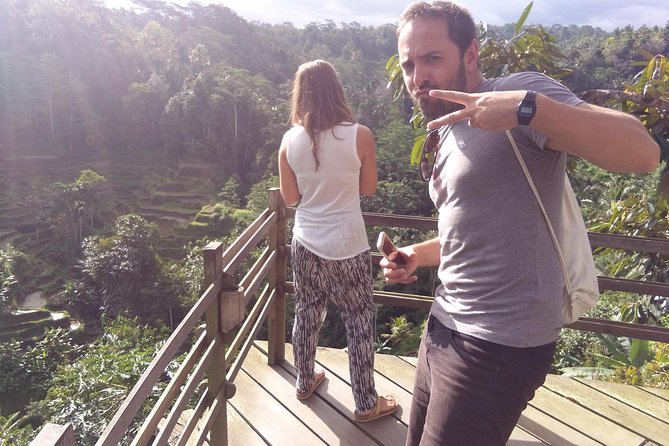
Next up is Goa Gajah, often called the Elephant Cave site. You’ll spend about one hour here, with admission included.
What makes this stop more than a quick cave peek is the meaning. This is a Hindu temple complex tied to a 9th-century history. You’re looking at a site that’s been part of Bali’s religious landscape for a long time, not just a modern “tourist photo spot.”
There are usually steps involved for getting down to parts of the site. One visitor mentioned the descent was manageable and worth doing, while also noting the visit depends on how your body handles stairs that day. If you’re traveling with anyone who has trouble with uneven steps, it’s worth taking it slow and not trying to power through.
I like this stop because it turns the tour from scenery-only into something cultural and human-scale. You’re not just looking at nature; you’re seeing how Bali’s spiritual traditions shaped places, paths, and architecture.
Stop 3: Tegalalang Rice Terrace—photos, viewpoints, and lunch on your own terms
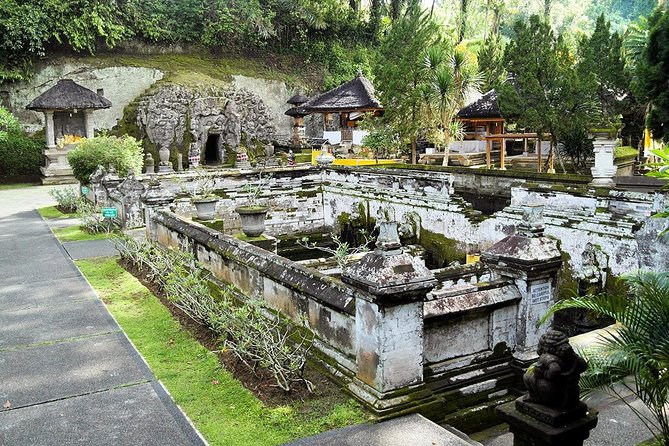
The final stop is Tegalalang Rice Terrace, one of Ubud’s most famous rice-growing areas. You’ll get about one hour there, plus entry included.
This is where the tour earns its photo credit. The view is wide, green, and framed by the way the terraces step down through the area. It’s also one of those places where you can go into “slow mode” fast. You’re not rushing through exhibits. You’re walking a bit, finding a viewpoint, and letting the scenery do the talking.
Lunch is specifically on your own. That’s actually a good thing here. After you arrive, you can choose what fits your budget and appetite without feeling trapped by a fixed lunch plan. If you want something simple and quick, do it. If you want a longer sit-down, you can.
There’s also the practical side of timing. Because this is a half day, you’ll want to balance photos with movement. If you spend too long perfecting the perfect shot early, you might cut into your time to enjoy the terrace views properly.




Guides on this tour can make or break your day

What really shows up in the best versions of this experience is the guide. The tour’s core works either way—waterfall, temple, terrace. But the guide makes it smoother, more informative, and easier to manage in real-world conditions like traffic and weather.
I’ve seen examples of standout guidance from names like Ketut Ajus, Wira, Suas, Wayan, Kadek, Jun, and Ese. The common thread in all those experiences is how they handled timing and comfort. Several people highlighted guides who:
- explained what you’re looking at and why it matters
- didn’t rush the stops
- helped with pacing when rain hit
- took good photos without making it feel like a staged production
If you care about culture more than just snapping pictures, pick a day when your guide has enough time to slow things down. If you care more about photos, you’ll still appreciate a guide who times viewpoints well.
Weather, rain, and comfort: how to set yourself up for a smooth half day
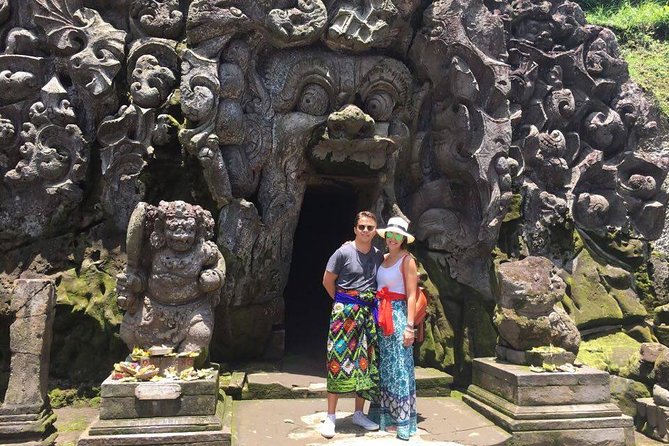
This experience needs good weather. If conditions are poor, you’ll be offered a different date or a full refund. That matters because a rainy day can make stairs and viewpoints less comfortable.
Even with rain, the sights can still look good. But you’ll want to think “traction first.” Wet steps and slick edges are the main comfort risk.
Also, remember you’re outdoors for a big chunk of the day. Bring a light layer for morning chill, and be ready for the humidity swing once the day warms up. The tour provides mineral water, which is great for staying steady while you’re walking and climbing.
Footwear is the quiet hero here. You’ll likely be walking on uneven surfaces at at least two stops, and stairs show up at both the waterfall area and the Goa Gajah site.
How much flexibility you’ll really have (and how to use it)

Because it’s a half day, your margin for changes is smaller than a full-day trip. That’s not a flaw—it’s the deal you make for fitting three major stops into 4 to 5 hours.
Traffic can steal time. One guest specifically mentioned that congestion meant they had to skip the waterfall, even though it was part of the plan. That’s a reminder to go in with flexibility and a plan B mindset—especially if you’re arriving in the afternoon or you’re sensitive to time changes.
The best strategy is simple:
- Treat the route as “three highlights,” not “every minute guaranteed.”
- If you can, keep your schedule loose on either side of pickup so you’re not stressed if the day runs behind.
Who should book this tour—and who should look for something longer
This tour is ideal for you if:
- you want the classic Ubud hits without committing to a full day
- you’re staying around Seminyak/South Bali and want a guided route into the interior
- you prefer private group time with a local guide
- you’re traveling with family and want a structured plan (with pacing built in)
It may not be ideal if:
- you’re hoping for a lot of extra stops beyond the three included sights
- you have strict mobility limits and don’t want any stair situations
- you expect a stress-free day regardless of traffic (because Bali roads don’t care about anyone’s itinerary)
If you want more time at each place—or you want to add extra cultural stops on the way—consider a full-day version. A half day is great for first-time structure. A longer day is better for deep wandering.
Should you book this Half Day Bali Tour?
I’d book this tour if you’re trying to get maximum “Bali variety” in one morning/early day: waterfall energy, a cave-temple stop with history, then that famous Tegalalang rice terrace view before you’re tired.
It’s also a solid value because the price covers the big cost anchors: pickup, transport, guide, and entry tickets for the main stops. That’s the difference between feeling organized and feeling like you’re constantly buying or negotiating your way through the day.
But if you’re the type who needs every stop to be perfectly timed—especially the waterfall experience—go early, wear grippy shoes, and keep your expectations realistic. The route works best when you’re flexible and you treat it like a highlight reel, not a checklist of guaranteed every-step experiences.
FAQ
What are the main stops on this half-day Bali tour?
You’ll visit Tegenungan Waterfall, Goa Gajah (Elephant Cave), and Tegalalang Rice Terrace.
How long is the tour?
It runs about 4 to 5 hours.
Do I get hotel pickup?
Yes. Pickup is offered and the tour description says pickup can be from any hotel in Bali.
Are entrance fees included?
Yes. Admission tickets/entry fees are included for the stops.
Is lunch included?
No. Lunch is available at your own cost while you’re at Tegalalang Rice Terrace.
What happens if the weather is bad?
The experience requires good weather. If it’s canceled due to poor weather, you’ll be offered a different date or a full refund.