REVIEW · BALI
Mount Agung Sunrise Trekking Tour
Book on Viator →Operated by Bali Trekking Tour · Bookable on Viator
Mount Agung at sunrise is a serious Bali ritual. This private trek starts at night, climbs to the summit for the show, then sends you back down with a guide the whole way. I love that you get hotel pickup and drop-off, so the experience feels smooth instead of chaotic. I also like the practical extras: headlamp and trekking poles plus coffee/tea and breakfast waiting after the hard part. The main drawback is real: this is steep, tough, and not for beginners.
You’ll be moving in the dark for hours, then you’ll do a slower, steeper ascent in cold, early-morning air. One big plus is that it’s built for people with trekking background, and the guidance is there to help you keep your footing and manage the pace. If you’re looking for a gentle hike or a casual stroll, this will feel more like a workout with a religious sunrise finale.
In This Review
- Key things to know before you go
- Why a midnight summit on Mount Agung feels different in Bali
- Price and what you actually get for $109
- Hotel pickup to Besakih: your night-to-morning rhythm
- The trek profile: steep ascent, slow grind, and proper pacing
- Sunrise at the summit: waiting in the dark, then the payoff
- The descent: why the hardest part can come after sunrise
- Temple stops along the way: Besakih and Pasar Agung Temple route
- Who this private tour is best for (and who should skip it)
- What’s included (and how that changes your planning)
- Tips to make the climb feel safer and more enjoyable
- Should you book this Mount Agung sunrise trek?
- FAQ
- What time does hotel pickup happen?
- When does the trek start?
- What time will we reach the summit for sunrise?
- How long is the full experience?
- Is this a private tour?
- Are trekking poles and headlamps included?
- Is breakfast included?
- Where does the tour include pickup and drop-off?
- Is admission included?
- Is insurance included?
- What is the cancellation policy?
- Is a mobile ticket used?
Key things to know before you go
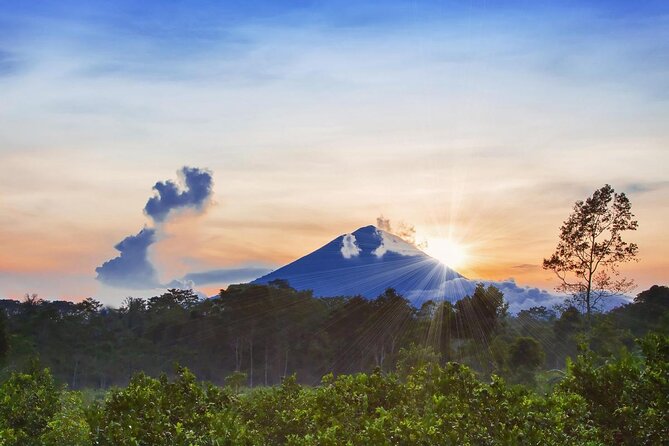
- Midnight-to-summit timing: you start trekking around 11pm and reach the summit by about 6am for sunrise
- Gear included: trekking poles and headlamps are provided, plus a walking stick
- Private group setup: only your group participates, with your guide staying with you throughout
- Temple route experience: you pass through major sites, including Besakih Temple and a Pasar Agung Temple route stop
- Food and warm drink: coffee/tea and breakfast are included to recharge you after the climb
Why a midnight summit on Mount Agung feels different in Bali
Mount Agung isn’t just the tallest peak on the island. It’s Bali’s highest and holiest mountain, and that matters as soon as you start moving toward the temple sites and the main trail. The climb has the feel of a night pilgrimage: dark steps, quiet urgency, and a sense that you’re joining something older than tourism.
What I like about this kind of sunrise trek is that it forces you to slow down in the right moments. You don’t see much at first besides your footing and the beam from your headlamp. Then, as the sky lightens, the whole effort starts clicking into place. By the time you’re near the top, you’re not just chasing a photo. You’re earning a wide view that makes the island feel huge.
You can also read our reviews of more hiking tours in Bali
Price and what you actually get for $109
At $109 per person, this tour is priced like a focused, guided adventure rather than a budget sightseeing scramble. The value is in the full package: private transportation, an on-trail guide, and gear that saves you from renting or improvising.
Here’s what makes it feel like good value for the money:
- You’re not responsible for getting yourself to the start in the middle of the night.
- You get trekking poles and headlamps, which are big for safety on a steep, early-morning climb.
- Food is included: coffee/tea and breakfast, plus bottled water.
- You’re touring with a private group and guide, so you’re not fighting a crowd pace.
The one “cost” you should plan for is effort. The price covers logistics and guidance, but your body still does the climbing. If you’re not strong on hills or you hate steep steps, you’ll pay more in discomfort than in dollars.
Hotel pickup to Besakih: your night-to-morning rhythm
Your day starts before most people are even awake. Pickup is around 9pm, then you ride out to the trekking start area. The trek planning is built around night movement, so the timing matters: you begin the trek at about 11:15pm and target the summit at 6am.
A key detail I appreciate is that Besakih Temple is part of the early phase of the trip. You start at Besakih Temple around 11pm, which grounds the climb in place and helps you shift from “road trip” mode into “walk upward” mode. You’ll likely also pass a Pasar Agung Temple route stop along the way, which adds variety to the night routine without turning it into a long, slow tour.
Your guide stays with you from start to finish. That’s important on a climb like this, where the hardest part can be finding a pace that keeps you steady through both darkness and steep sections.
The trek profile: steep ascent, slow grind, and proper pacing
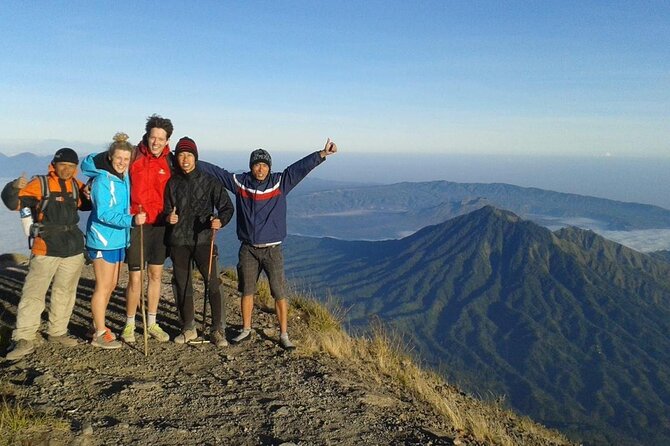
This is where Mount Agung earns its reputation. You’re going up a steep route to a summit altitude around 3,142 meters, so the work starts quickly. Even if you’ve hiked before, you should treat this like a real effort: feet, lungs, and balance all matter.
Two things included help you handle it:
- Headlamps for visibility when it’s still dark
- Trekking poles (plus a walking stick) for traction and support
The trekking poles matter more than people expect. On steep terrain, poles can reduce strain and help you keep your weight distributed. In the early morning, when you’re tired and footing feels uncertain, those added contact points can be the difference between steady and sloppy.
If you go in with the right mindset, the trek becomes manageable. Think controlled steps, short breaks, and staying close to your guide’s pace. If you go in trying to “race” the climb, you’ll likely feel it later, especially when you’re tired and the trail turns more demanding.
Sunrise at the summit: waiting in the dark, then the payoff
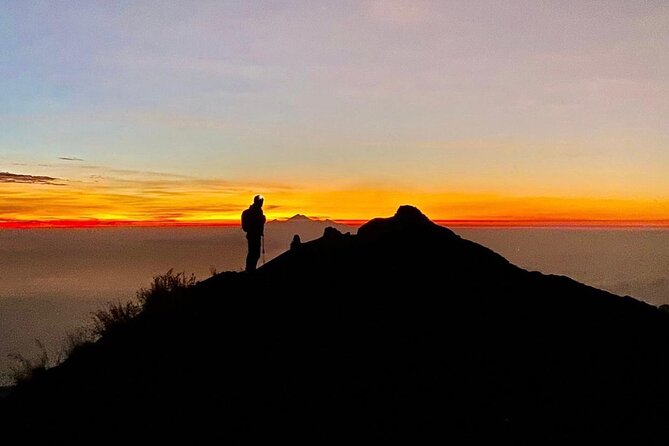
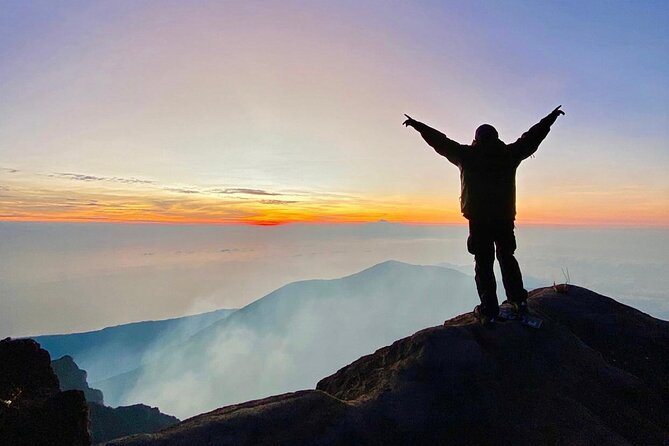
Reaching the summit around 6am is the moment the whole night makes sense. Sunrise treks are a special kind of patience game. At the top, you’re not just standing there hoping for light. You’re in that focused waiting period when the horizon changes minute by minute.
This tour schedules time at the summit so you can actually enjoy the view rather than immediately sprinting downhill. After sunrise and a bit of settling, you begin the descent around 7:30am. That timing is helpful because it reduces the “we hit the top, now you’re rushed” feeling that some sunrise trips create.
What you should expect is a shift from cold and concentrated climbing to a more open, scenic moment as the light spreads. The view is the whole reason you did the midnight start, and it’s also the reward that makes the hard sections feel worth it.
You can also read our reviews of more tours and experiences in Bali

The descent: why the hardest part can come after sunrise
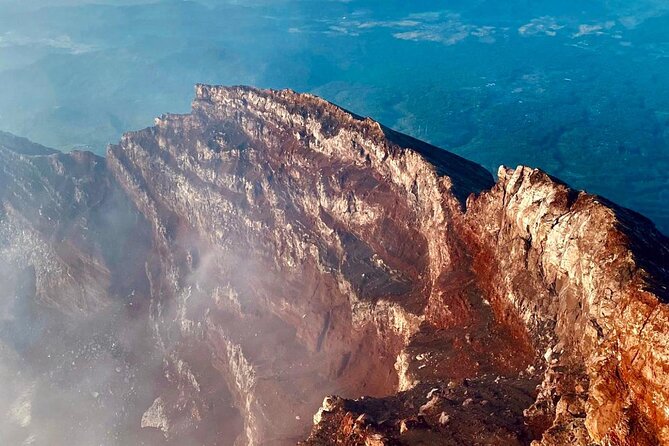
A lot of hikes get easier after the summit. Mount Agung can feel different because the descent is demanding. After you finish watching sunrise, you’re still moving on steep terrain, and fatigue can make footing more challenging.
One practical truth: going down often hurts your knees more than going up stresses your lungs. That’s why poles are helpful on the way back too. Use them to stay balanced and take your time. If you’ve ever watched someone rush downhill, you know how quickly “almost there” can turn into a stumble.
This is the part where your guide’s presence is valuable. You’ll need guidance to keep safe spacing and to navigate the route efficiently, especially once you’re tired and the light makes you think you can move faster than you should.
Temple stops along the way: Besakih and Pasar Agung Temple route
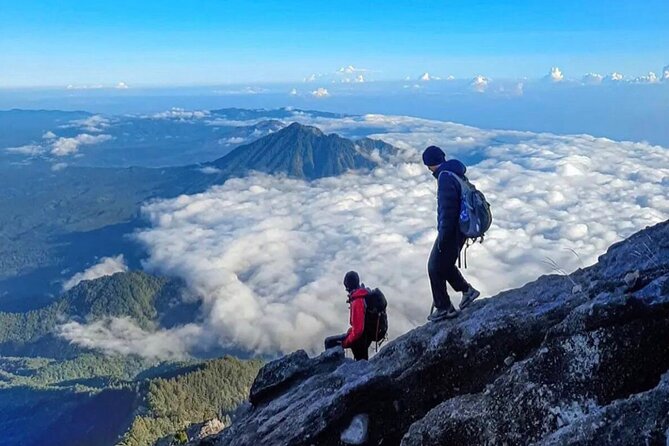
Mount Agung isn’t only a physical challenge. It’s a place of meaning in Bali, and the route includes important temple elements.
- Besakih Temple is part of the start phase, giving the climb a spiritual and cultural anchor.
- The Pasar Agung Temple route stop adds a second layer to the journey, so the trek doesn’t feel like you’re walking through one long “blank” route.
Even if you don’t know the local religious details, you can still respect the atmosphere. These stops also break up the mental monotony of nighttime walking, which helps when you’re managing energy and keeping calm.
If you prefer trips where you understand what you’re seeing, this one gives you a straightforward path to do that. It’s not a museum tour. It’s more like a living route tied to place.
Who this private tour is best for (and who should skip it)
This experience is designed for people with strong physical fitness and trekking background. It’s not recommended for beginners. That’s not just company caution—it matches the reality of a steep ascent at altitude and a descent that can feel more dangerous when you’re tired.
So, who should book it?
- You hike regularly and handle steep trails without panicking
- You’re comfortable walking in the dark with a headlamp
- You want sunrise views and are okay with a long day stretching from late night to late morning
Who should think twice?
- If you’re a beginner or you mostly do flat, easy walks
- If you’re injury-prone on steep downhills
- If you’re expecting a gentle trek rather than a climb that may feel like scrambling on rocky sections
One more thing: this is a private group tour. That’s great for your experience style because you can keep your pacing aligned with your group and guide. It also makes it easier to communicate if you need slower breaks.
What’s included (and how that changes your planning)
This tour reduces the stuff you need to figure out yourself. Included items are practical, not flashy:
- Private transportation
- Trekking guide
- Walking stick and headlamp
- Coffee/tea
- Breakfast
- Bottled water
That’s a meaningful planning advantage because you can focus on being prepared physically and with basic clothing, rather than sourcing gear at the last minute. Also, the included drinks and breakfast help you avoid the classic sunrise-trek problem: climbing for hours, then being too wiped out to eat properly.
Not included is insurance, so if you’re the type who travels with coverage, check your policy before you go.
Tips to make the climb feel safer and more enjoyable
You can’t remove the challenge from Mount Agung, but you can make it smarter.
First, treat the sunrise trek like a physical event, not a casual night walk. Keep your steps short. Don’t fight the steepness. Let your lungs find a steady rhythm.
Second, use the gear you’re given. Headlamps are for you, not for decoration. Trekking poles are for balance and strain control. Even a small habit like planting poles consistently can help you stay steady.
Third, plan emotionally for the long stretch. The total time runs about 8 to 10 hours, starting with pickup around 9pm and ending after the ride back. That means you’ll likely be tired, hungry, and ready to relax after the final pickup to your hotel around 11:30am.
Finally, if you’re on the edge of your fitness level, be honest with yourself. The difference between enjoying the trek and suffering through it is often one decision: whether you start at a sustainable pace.
Should you book this Mount Agung sunrise trek?
I’d recommend it if you want the full Mount Agung experience: a midnight departure, temple route, a guided summit push, and sunrise time built in. The included headlamp and trekking poles, plus breakfast and coffee/tea, make it feel like a complete package rather than a “good luck out there” hike. And the private-group setup is a big quality-of-life win.
I’d skip it if you’re new to steep climbs or you’re mainly looking for an easy morning. The mountain is steep and the descent can be tough, and this tour is set up for experienced trekkers with solid fitness. If that describes you, you’ll likely feel that the effort pays back quickly at the summit.
If you’re ready for a real climb with a meaningful sunrise reward, this is one of the most compelling ways to see Bali’s highest, holiest mountain the right way: under a dark sky, on purpose, with a guide watching your footing.
FAQ
What time does hotel pickup happen?
Pickup is around 9pm, depending on your hotel location.
When does the trek start?
You’ll begin trekking at about 11:15pm from the Besakih Temple starting point.
What time will we reach the summit for sunrise?
You’ll arrive at the summit around 6:00am.
How long is the full experience?
It runs about 8 to 10 hours.
Is this a private tour?
Yes. It’s a private group tour, so only your group participates.
Are trekking poles and headlamps included?
Yes. Trekking poles and headlamps are provided, along with a walking stick.
Is breakfast included?
Yes. Coffee/tea and breakfast are included, plus bottled water.
Where does the tour include pickup and drop-off?
Pickup and drop-off is available for Ubud, Sanur, Canggu, Seminyak, Kuta, and Jimbaran areas. Pickup and drop-off for Sidemen, Candidasa, and Nusa Dua are available.
Is admission included?
Yes. An admission ticket is included.
Is insurance included?
No. Insurance is not included.
What is the cancellation policy?
You can cancel for a full refund up to 24 hours before the experience start time. Free cancellation is available.
Is a mobile ticket used?
Yes, a mobile ticket is provided.