REVIEW · NUSA DUA
Bali Art Experience: Batik Painting & Cultural Connection
Book on Viator →Operated by Oedel Batik Experience · Bookable on Viator
Batik turns art into a hands-on Bali souvenir. In this Nusa Dua workshop, you trace a chosen design, paint wax-resist lines, then add color with your own traced artwork. It is practical craft time in a calm setting, and you leave with something you actually made, not just something you watched.
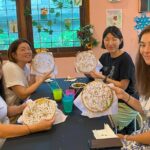
What I like most is the clear, step-by-step flow. You get a short demonstration, then you sit down at the table and do each stage yourself with guidance from the licensed instructor (including Jenn, who is praised for explaining the steps clearly).
One thing to think about: part of the batik process continues at least 24 hours later at home, so you will need to follow the handout instructions after your class.
In This Review
- Key highlights you’ll feel in your hands
- Where this Bali batik class happens in real life
- The craft flow: trace, wax, color, fix, then wait
- Why the tracing-and-wax method feels so approachable
- Nusa Dua Beach and Mengiat Beach: how the stops fit the day
- Price and what $33.45 actually buys you
- Timing: a 2.5-hour class with a 24-hour follow-up
- What you take home (and what you should expect)
- Who this Bali batik class suits best
- Practical logistics that will save you stress
- Should you book the Batik Painting & Cultural Connection class?
- FAQ
- Where is the meeting point for the batik workshop?
- How long does the Bali batik painting experience take?
- What does the workshop include?
- Do I need to bring a design?
- What are the main steps during the workshop?
- What happens after the workshop ends?
- Is food and drink included?
- Is transportation included?
- Is this a private activity?
- Can I cancel or change my booking?
Key highlights you’ll feel in your hands
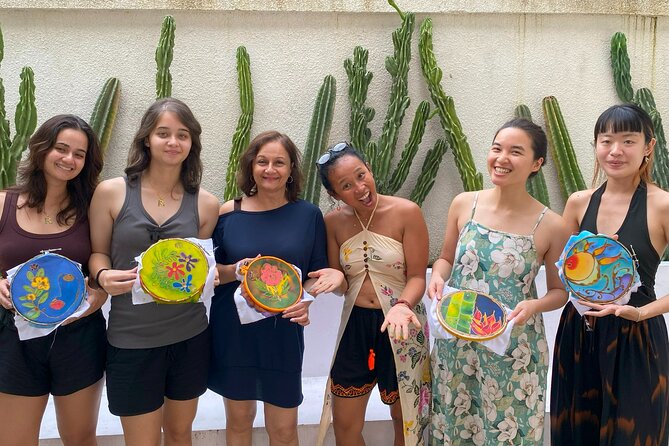
- Wax-resist batik steps you do yourself: trace, apply melted wax, add color, then fix the colors
- A guided table setup: you start with a demo, then work at your own pace for about 1.5 to 2.5 hours
- Take-home follow-through: you’ll finish the remainder at home at least 24 hours later using the provided instructions
- Bali beach-area stops: the experience includes time around Nusa Dua Beach and Mengiat Beach
- Small, personal feel: it’s a private activity for your group, and the teaching is focused and friendly
- Value for $33.45: tools, cloth, and the tracing design are included, so you can show up and create right away
Where this Bali batik class happens in real life
This batik painting experience runs out of the Nusa Dua area. Your start point is TOPM PIZZERIA on Jl. Siligita No. 99x in Benoa (Kuta Sel., Badung). The activity ends back at the same meeting point, so you do not have to puzzle out a different return route.
The workshop is designed around a comfortable table session. You are not sent wandering around looking for supplies. Instead, you sit, follow the process, and get support as you go. That matters because batik is more about careful steps than artistic talent.
Also, the experience includes stops around Nusa Dua Beach and Mengiat Beach. Even if your focus is the craft, it helps to have a coastal setting rather than a workshop room that feels cut off from Bali.
You can also read our reviews of more tours and experiences in Nusa Dua.



The craft flow: trace, wax, color, fix, then wait
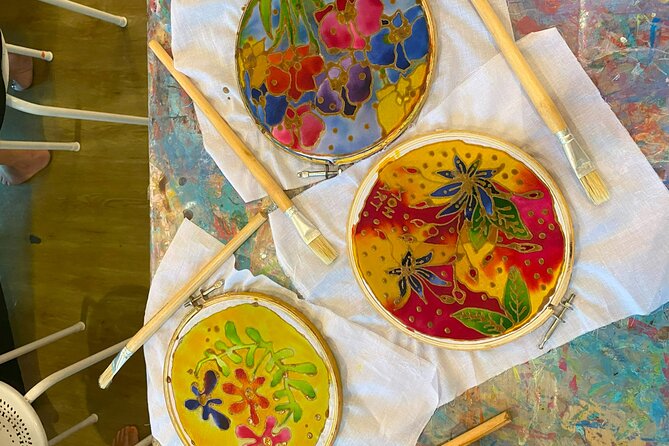
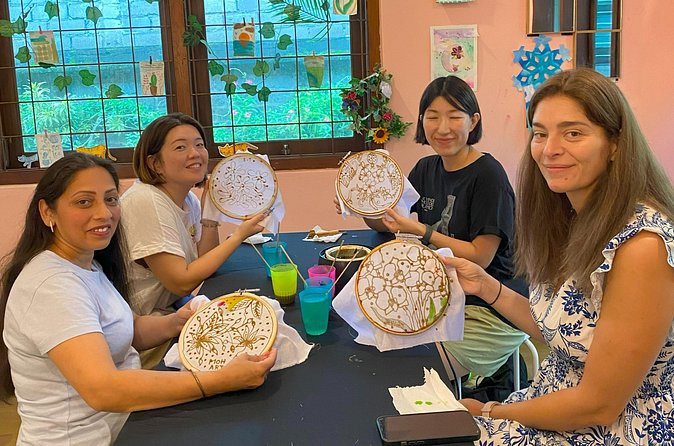
The workshop is structured so you can understand the process before you start. You begin with a demonstration of the skills involved, then you move into hands-on work. Depending on how fast your group moves through the steps, the seated session is about 1.5 to 2.5 hours.
Here is the process in plain terms, step by step:
- Choose and trace your design
You pick a piece of artwork to use, then trace it onto cloth using a pencil. If you already have a simple design in mind, you can bring it, and the class includes a design template to trace as part of the materials.
- Paint the wax along your lines
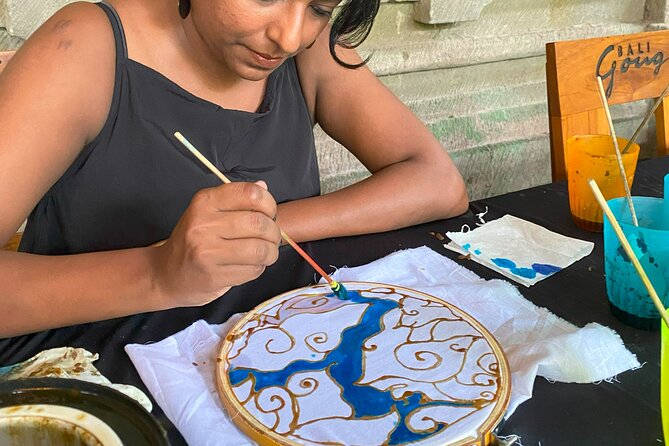
You apply melted wax to the cloth, following the pencil lines you traced. This is the wax-resist part: wax acts like a barrier, shaping where color will and won’t go.
- Add color to the cloth
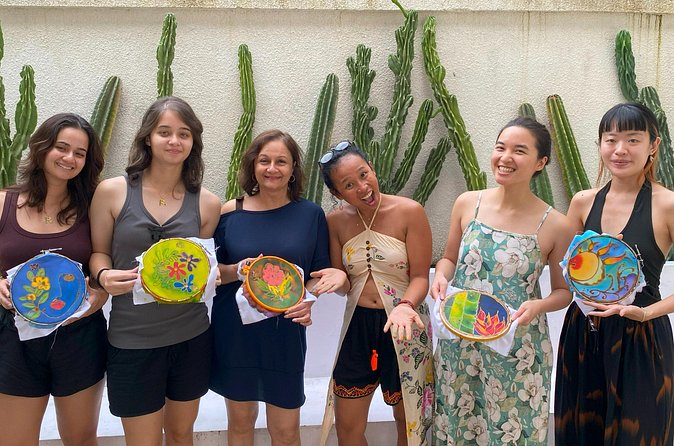
After the wax lines are down, you paint colors onto the fabric. This is where you start seeing your design appear, especially as you work around the waxed areas.
- Fix the colors with a liquid
Next comes the fixing step. You apply a liquid to help set the colors in place. This is an important stage because it makes the final cloth work more stable for what comes next.
- Finish at home at least 24 hours later
The remainder of the process happens after the workshop, at home. You get a handout with instructions for that last part.
That sounds like a lot written out, but the rhythm is friendly: demo first, then your turn. If you’ve never done craft work like this, you still have a clear pathway.
Why the tracing-and-wax method feels so approachable
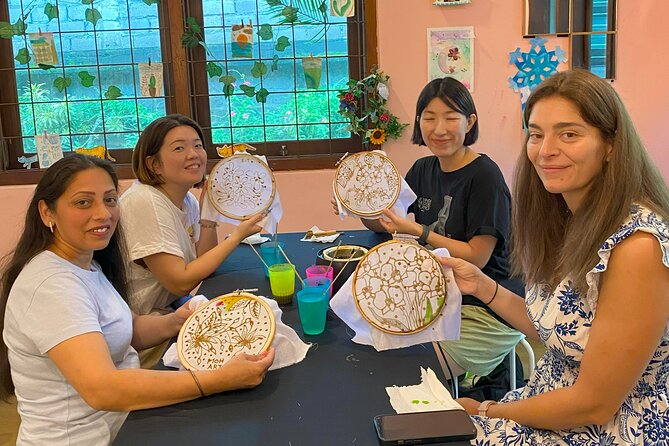
Batik has a reputation for being complicated. This class makes it doable by breaking the craft into stages you can control.
Tracing is a huge deal here. Instead of starting from a blank cloth and hoping your drawing skills carry you, you choose a design and trace it. That means your effort goes into the batik steps that matter: wax placement and color application.
And the wax step is the heart of the whole technique. When the instructor shows you exactly how to apply it and you replicate it at your own table, you learn what “precision” really means in batik. You are not aiming for perfect fine art. You are aiming for clear wax boundaries that let the color behave the way it should.
This is also where a good teacher changes the experience. In the strongest feedback, the teaching style is singled out: Jenn is noted for explaining each step clearly and letting you be creative with your design choices. Even if you’re not artist-brain, that kind of guidance helps you feel confident as you work.
Nusa Dua Beach and Mengiat Beach: how the stops fit the day
You get two coastal stops: Nusa Dua Beach first, then Mengiat Beach. The itinerary doesn’t list a long schedule for each beach in detail, so I would treat these as part of the day’s pacing rather than a full sightseeing program.
Here is what I think that structure accomplishes:
- It keeps you in the Nusa Dua area without turning the day into a long drive.
- It helps the class feel like a Bali experience rather than only a craft workshop.
- It gives you a mental reset between the more detail-heavy parts of batik.
If you are coming to Bali mainly for beach time, this is a neat way to add something hands-on while you are already in the southern region. If you are there mainly for temples and sightseeing, this can still work, but plan it as your dedicated craft block, not a rushed add-on.
Price and what $33.45 actually buys you
At $33.45 per person, this batik workshop is priced like an activity that wants to be accessible. You are not paying for a museum-style “watch and leave” experience.
What’s included is the core craft kit:
- batik tools
- a design to trace into the cloth (you can bring your own simple design)
- the cloth
- a licensed guide
What that means for value is simple: you do not need to shop for supplies. You show up, trace, wax, color, and you get the materials that make the process possible.
What’s not included:
- food and drink
- transportation
So the real “cost” besides the ticket is your decision about meals and getting there. If you’re already staying in or near Benoa/Nusa Dua, that is a manageable add-on. If you are farther away, plan transportation time because this is a fixed meeting point activity.




Timing: a 2.5-hour class with a 24-hour follow-up
The scheduled duration is about 2 hours 30 minutes. Inside that, you sit for about 1.5 to 2.5 hours depending on pace. That flexibility matters. Some people move fast through tracing and coloring. Others take their time perfecting wax lines and color boundaries.
Here’s the practical part you need to plan for: the workshop does not end with your final color. After the class, you have to wait at least 24 hours to complete the remainder of the process at home, using the handout instructions.
That means this is not a great choice if you are leaving Bali the next morning. It is also not a great pick if you cannot follow the care instructions at home. But if you can manage one night of waiting and basic home finishing, it is a very satisfying way to turn your class into a souvenir you can keep.
What you take home (and what you should expect)
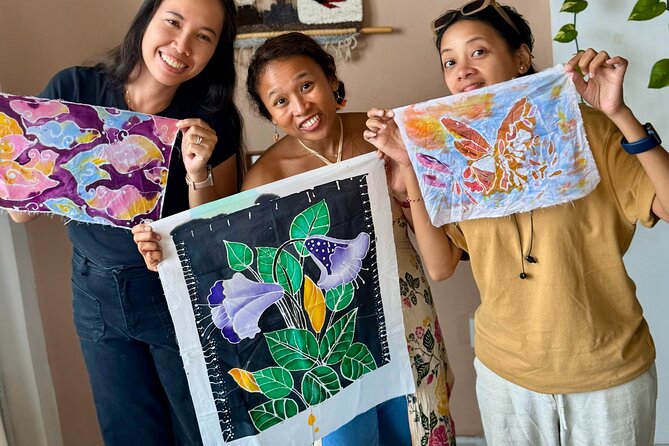
At the end of the workshop, you have a completed stage of the batik process. The colors are fixed during the class, and you apply the fixing liquid. After that, the remainder is done at home at least 24 hours later.
So when you think about what you’re buying, don’t picture it as finished “ready-to-hang” fabric the minute you leave. Picture it as a piece of batik that becomes fully finished after you complete the final step at home.
That is also why the handout matters. It gives you the instructions for what to do next without guessing. Keep that paper safe, or take a clear photo of the steps so you can follow them calmly.
Who this Bali batik class suits best
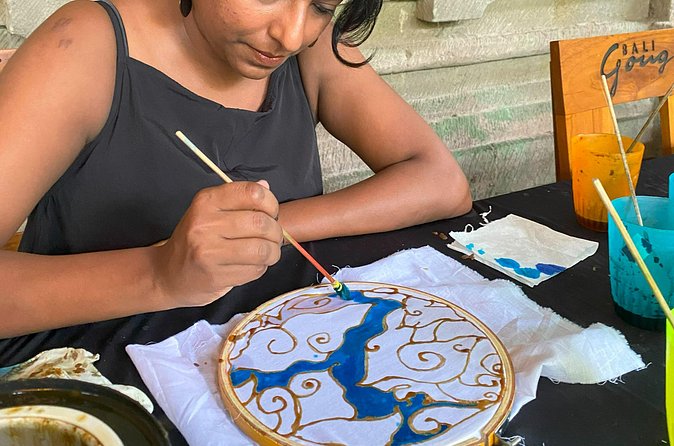
This fits best if you want a hands-on creative activity that still feels relaxed.
It is especially good for:
- people who like crafts and want to make something real with their own hands
- beginners who need step-by-step guidance (tracing lowers the entry barrier)
- anyone who wants a meaningful souvenir tied to a specific technique
- couples and friends, since it’s a private activity just for your group
It may be less ideal if:
- you want only outdoor time and no seated work
- you hate doing follow-up steps after a tour
- you have no space or patience to follow the at-home instructions
The “private activity” element also helps. When it’s just your group, you tend to get more focused attention, and the teacher can guide you without juggling many people at once.
Practical logistics that will save you stress
- Bring no big expectations about speed. The class pace depends on how quickly your group finishes each stage.
- Plan food separately. Food and drink are not included, so eat before you go or budget time for a meal nearby.
- Use the handout for the at-home step. The reminder about finishing at least 24 hours later is not a suggestion. It is part of the process.
- Get to the meeting point on time. The start is set at TOPM PIZZERIA in Benoa, and the activity ends back there.
Small note: the listing says service animals are allowed, and most people can participate. If you have any specific needs, ask before booking so you don’t get surprised once you arrive.
Should you book the Batik Painting & Cultural Connection class?
I’d book it if you want a real craft experience in Bali that does not require artistic talent. The structure is supportive: tracing first, then wax, then color, with a licensed guide leading the steps (including Jenn, who gets strong praise for clear instructions and letting you be creative). You also get a souvenir you made yourself, plus a follow-up step at home that turns the whole thing into a mini project.
I’d skip it if you cannot commit to the at-home finish after at least 24 hours, or if you’re looking for a pure sightseeing day. Also, because food and transportation aren’t included, you’ll want to make sure you can handle those pieces of the plan.
If you’re staying around Nusa Dua or Benoa, this is an efficient way to add culture with your hands, not just your eyes.
FAQ
Where is the meeting point for the batik workshop?
You’ll start at TOPM PIZZERIA on Jl. Siligita No. 99x, Benoa, Kuta Sel., Kabupaten Badung, Bali 80361, Indonesia.
How long does the Bali batik painting experience take?
The duration is about 2 hours 30 minutes. The seated table time is typically 1.5 to 2.5 hours depending on how quickly the process goes.
What does the workshop include?
The class includes batik tools, a design to trace into the cloth, the cloth, and a licensed guide.
Do I need to bring a design?
You do not have to bring a design. You can choose a piece of artwork to use and trace it, and you can bring your own simple design if you want.
What are the main steps during the workshop?
You trace your design onto cloth with a pencil, paint melted wax following the traced lines, paint colors, apply a liquid to fix the colors, and then complete the remaining steps at least 24 hours later at home.
What happens after the workshop ends?
The remainder of the process happens at home at least 24 hours later. You receive a handout with instructions for those steps.
Is food and drink included?
No. Food and drink are not included.
Is transportation included?
No. Transportation is not included.
Is this a private activity?
Yes. It is a private tour or activity, and only your group will participate.
Can I cancel or change my booking?
This experience is non-refundable and cannot be changed for any reason. If you cancel or ask for an amendment, the amount you paid will not be refunded.