REVIEW · JIMBARAN
Best Of Ubud Tours
Book on Viator →Operated by Bali Journey Tours · Bookable on Viator
Eight hours in Ubud beats piecemeal planning. This private highlights tour is built for an efficient loop through the best-known sights, and you get real convenience with round-trip hotel pickup plus a driver-guide who can help connect the dots. I like how the schedule blends big photo stops with calmer cultural moments, so the day feels varied instead of repetitive. One consideration: it’s a full day, so you’ll be on the move, and some outdoor stops can be weather-sensitive.
If you want a do-it-right version of Ubud, this is the kind of trip that keeps logistics from eating your energy. You’ll ride in an air-conditioned vehicle, carry a bottled water, and cover multiple paid-and-free sights without having to coordinate tickets. The tour timing is flexible, but you should still plan for a long day—roughly 8 to 10 hours from start to finish.
In This Review
- The best parts of this private Ubud day (and who it fits)
- Why this Ubud highlights tour makes sense from Jimbaran
- Your day’s rhythm: flexible timing, one full loop, minimal hassle
- Stop 1: Pura Puseh Desa Batuan (Batuan Temple) to get oriented
- Stop 2: Tegenungan Waterfall for the nature payoff
- Stop 3: Tegalalang Rice Terraces (subak irrigation) for real Bali farming
- Stop 4: The Natural Terrace Swing (D’Alas) for a different kind of fun
- Stop 5: Sacred Monkey Forest Sanctuary for wildlife + spirituality context
- Stop 6: Ubud Traditional Art Market (Pasar Seni Ubud) for shopping that feels local
- Stop 7: Ubud Palace (Puri Saren) to end with heritage in view
- Price and value: what you’re getting for $50.67 per person
- What to expect from the guide and photo support
- Practical tips so your Ubud day feels smooth
- Should you book Best Of Ubud Tours?
- FAQ
- Where does pickup happen for this Ubud highlights tour?
- How long is the tour?
- Is this tour private?
- What’s included in the price?
- Are admissions included for the main sights?
- What isn’t included?
- Is the tour good for people who want a flexible schedule?
- Does it require certain weather conditions?
- How does cancellation work?
The best parts of this private Ubud day (and who it fits)
- Private pacing: You’re only with your group, so stops can feel less rushed than a big bus day.
- Hotel pickup and return: Round-trip transfers from select areas help you avoid Ubud-area back-and-forth.
- A mix of iconic stops and culture: Waterfall, rice terraces, Monkey Forest, plus temple, palace, and art market time.
- Admissions handled where it matters: Tickets are included for several main sights, while other spots are free.
- Guides who help with more than directions: Feedback highlights guides like Putu and Putu Rika for informative commentary and taking pictures.
Why this Ubud highlights tour makes sense from Jimbaran
Even though the sightseeing is classic Ubud, the experience starts where many Bali travelers actually stay—near Jimbaran. That pickup detail matters. When you’re coming from the southern coast, it’s easy to lose half a day to transport. Here, the tour includes private transportation and round-trip transfers from select hotels, which helps you treat this as a true day trip instead of a logistics project.
The tour runs about 8 to 10 hours, and it’s designed as a single “greatest-hits” flow. You’re not just collecting landmarks; you’re moving through different sides of Bali—religious sites, farming landscapes, nature, and daily life in a market and palace area. That makes it a good option if it’s your only full day in the Ubud region.
You can also read our reviews of more tours and experiences in Jimbaran.
Your day’s rhythm: flexible timing, one full loop, minimal hassle
The biggest practical advantage here is that you’re not building your own route from scratch. The timing is described as flexible, so you’re not stuck with an ultra-narrow window. Still, think of this as a structured loop: each stop has its own time block, and the day flows from one highlight to the next.
The itinerary is about balance:
- early temple time (usually easier to enjoy before midday crowds),
- a mid-morning nature hit,
- iconic rice terraces,
- then a swing and Monkey Forest,
- ending with Ubud’s market and palace area, where you can shift from “watching” to “browsing.”
That pacing is also why it works best as a private tour. In a group tour, one slow-moving stop can throw off the whole day. In a private setup, your driver-guide can keep things moving while still giving you time to look around.
Stop 1: Pura Puseh Desa Batuan (Batuan Temple) to get oriented
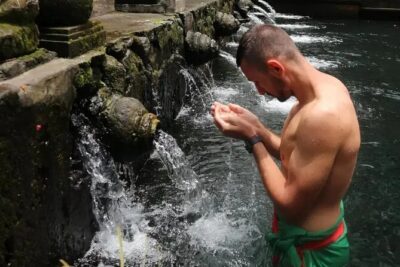
Your first stop is Pura Puseh Desa Batuan, a local Balinese Hindu temple in the Batuan countryside area. The description emphasizes that it’s looked after by local residents and decorated with Balinese ornaments. You’re given about 40 minutes, and an admission ticket is included.
Why start here? Because it sets context. Ubud’s Instagram-famous sights can feel disconnected if you only see them as photo backdrops. A temple stop early on helps you understand the local religious and artistic style you’ll keep seeing later—especially in carving, architecture, and the overall sense that these places aren’t “just attractions.”
The key drawback is simple: it’s still an active sacred site, and you’ll want to take your time respectfully. If you’re hoping to sprint from one viewpoint to another, this first stop may feel more contemplative than your usual “tourist mode.”
Stop 2: Tegenungan Waterfall for the nature payoff
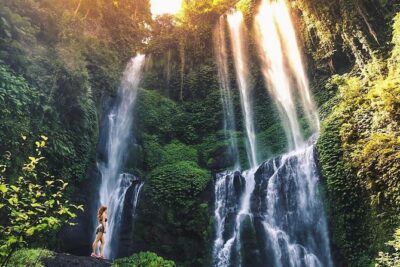
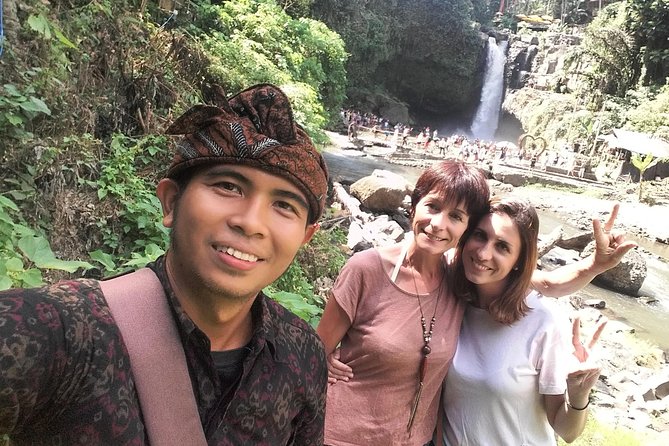
Next up is Tegenungan Waterfall. It’s described as a beautiful, almost “hidden” waterfall in the Ubud village area, located in Tegenungan Kemenuh (Sukawati, Gianyar). Your stop is about 1 hour, with admission included.
This is where the day leans into the dramatic visuals. Tegenungan is positioned as a major nature moment within reach of Ubud. You’ll have time to take photos, soak in the sound, and do the quick walk that typically goes with a waterfall visit.
A practical consideration: waterfalls mean weather matters. The experience notes that it requires good weather. If it’s been raining, expect slippery surfaces and changing water flow. Even if the water looks great, the trails and edges can be harder to navigate—so wear shoes you trust.
Stop 3: Tegalalang Rice Terraces (subak irrigation) for real Bali farming
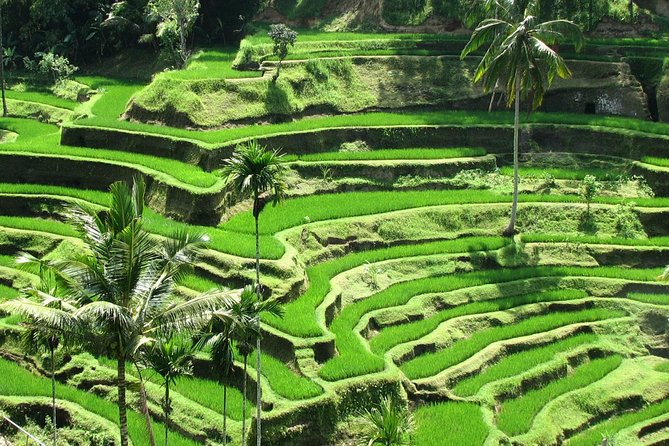
Then you get Tegalalang Rice Terrace time—about 40 minutes, and admission is included. Tegalalang is famous for views of rice paddies tied to the subak system, a traditional Balinese cooperative irrigation practice passed down historically.
This stop is valuable because it’s not just a scenic “green wall.” You’re shown a living farming system that still shapes how communities manage water. The terraces also give you a better sense of why Bali’s villages look the way they do—how water, elevation, and agriculture create what you see from the viewpoints.
The tradeoff is crowds. Tegalalang is well known, so you’ll likely share viewpoints. If your goal is the quietest, most private-feeling photos, you may need to hunt for angles and timing within that 40-minute block.

Stop 4: The Natural Terrace Swing (D’Alas) for a different kind of fun
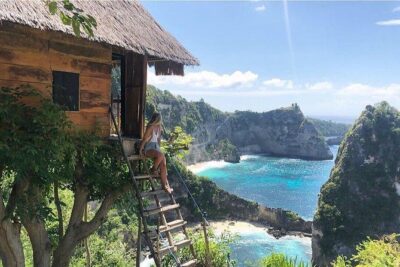
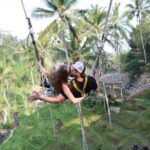
After rice terraces, the tour moves to The Natural Terrace Swing at D’Alas, where the listing frames it as a Bali swing spot with forest and rice views. Your stop is about 1 hour, and admission is included.
This is the most “activity” stop in the itinerary—less about culture, more about a shared experience. If you enjoy playful photo moments and don’t mind heights, this is usually the kind of stop that makes the day feel like more than sightseeing.
Two practical notes:
- It can be a physical moment, so if you have mobility concerns, you’ll want to plan accordingly.
- Because it’s outdoors, weather can change the vibe. If conditions aren’t ideal, the view and comfort can shift.
Stop 5: Sacred Monkey Forest Sanctuary for wildlife + spirituality context
Your next highlight is the Sacred Monkey Forest Sanctuary. You’re given about 40 minutes, with admission included. The description points out that the Monkey Forest sits within Padangtegal village territory, and residents view it as spiritual, economic, educational, and conservation-focused.
That framing is more helpful than it sounds. Monkey Forest isn’t only about monkeys doing monkey things. It’s also tied to conservation and local belief. Even if you’re there for photos, this context helps you look at the place as part of a living community, not a theme park.
A realistic consideration: primates are unpredictable. I’d keep your camera secure, avoid loose items, and follow any posted guidance on-site. If you’re traveling with children, this is a stop where supervision really matters.
Stop 6: Ubud Traditional Art Market (Pasar Seni Ubud) for shopping that feels local
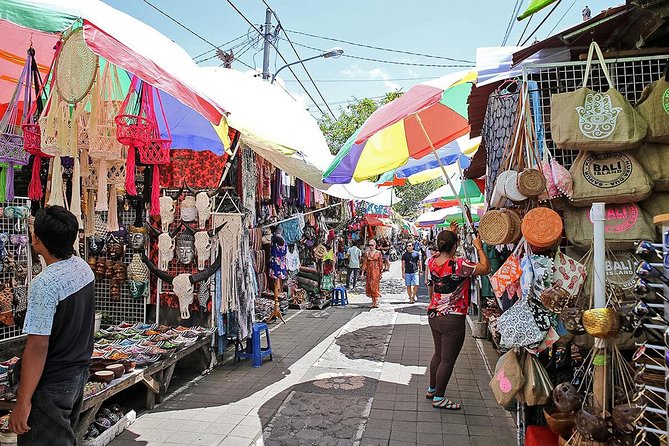
Then comes the Ubud Traditional Art Market, also known as Pasar Seni Ubud. It’s located in the heart of Ubud, opposite Puri Saren Royal Ubud. Your time here is about 1 hour, and admission is free.
This is a good switch from “big sights” to something more everyday. The market is described as offering souvenirs made by local Balinese makers, which is what you want if you’d rather buy crafts than generic trinkets.
Practical advice: markets move fast. Set a rough plan for yourself—maybe focus on 1–2 souvenir categories—so you don’t end the hour with decision fatigue. If you like browsing, you’ll enjoy the variety. If you only want one special item, go in with a target style.
Stop 7: Ubud Palace (Puri Saren) to end with heritage in view
You finish with Ubud Palace (Puri Saren). It’s described as an Ubud King Palace used as a governance center in the empire era. The style is Balinese traditional architecture with wood carving details. Your stop is about 30 minutes, and admission is free.
This palace stop is nice because it ties your day together. You saw sacred architecture earlier, farming culture in the middle, and everyday crafts at the market. The palace gives you a visual “center” of old-style power and artistry—something you can appreciate even in half an hour.
Drawback: 30 minutes is short. If you’re a slow reader of details or you like exploring courtyards without time pressure, you’ll have to skim. But as a final stop, it’s a satisfying way to wrap up the day.
Price and value: what you’re getting for $50.67 per person
At $50.67 per person, this tour is positioned as a solid value for a private-style day with multiple included sights. The big reason isn’t just the price tag. It’s what’s bundled:
Included items cover:
- all fees and taxes
- bottled water
- air-conditioned vehicle
- private transportation
- an English-speaking driver as a guide
- admissions where the itinerary lists them as included (waterfall, rice terraces, swing, Monkey Forest, Batuan Temple)
- free entry for Ubud Art Market and Ubud Palace
Not included:
- food
- personal expenses
In practical terms, you’re paying to remove friction. You don’t need to line up separate tickets for most of the “anchor” stops, and you don’t need to handle transport across Ubud and the surrounding area on your own. If you were to DIY this with taxis and separate admissions, the convenience factor usually pushes the real cost higher—especially on a tight schedule.
One note on value: since food isn’t included, budget time and money for meals or snacks. The itinerary doesn’t mention lunch, so plan to stop outside the tour stops if you get hungry.
What to expect from the guide and photo support
This is where the experience gets its highest praise. The feedback highlights guides like Putu and Putu Rika for being informative and communicating well. It also mentions that they took pictures for guests, which is a small but real quality-of-life upgrade.
An English-speaking driver-guide can help in two ways:
- They can explain what you’re looking at so the stops feel connected.
- They can help with timing and photo angles so you don’t spend your time “figuring out where the good shot is.”
If your priority is photos, look at the guide role carefully. This setup isn’t just a driver taking you around—it’s a guide function built in.
Practical tips so your Ubud day feels smooth
Here’s how I’d set yourself up for success on a tour like this:
- Wear closed shoes for waterfall and Monkey Forest areas. Even with a short stop, surfaces can be uneven.
- Plan for one active stop: the swing is the most physical moment. If you’re unsure, watch others first and decide calmly.
- Bring light layers for outdoor time. Weather changes can happen fast.
- Keep some cash for snacks since food isn’t included.
- Be flexible with your photo plan: with several famous stops, you’ll want to move quickly to get your shot before the crowd wave hits.
And remember: the experience asks for good weather. If conditions are poor, you may be offered a different date or a refund.
Should you book Best Of Ubud Tours?
Book this tour if you want an efficient, private-feeling day that covers the big Ubud highlights without making you juggle transport and ticket details. It’s especially worth it if you value:
- round-trip convenience from your hotel area,
- a structured route through Batuan Temple, Tegenungan Waterfall, Tegalalang Rice Terraces, Monkey Forest, and Ubud market/palace, and
- an English-speaking driver-guide who also helps with photo moments.
Skip it (or adjust your expectations) if you dislike long days or you prefer slow, unstructured wandering. This itinerary moves from stop to stop with set time blocks, so it’s not built for wandering off the route for hours.
FAQ
Where does pickup happen for this Ubud highlights tour?
Round-trip transfers are offered from select area hotels. The tour also lists Jimbaran, Indonesia as the location, matching the idea that pickup starts from the southern Bali area.
How long is the tour?
The duration is listed as 8 to 10 hours (approx.).
Is this tour private?
Yes. It’s a private tour/activity, meaning only your group participates.
What’s included in the price?
The price includes all fees and taxes, bottled water, an air-conditioned vehicle, private transportation, and an English-speaking driver as a guide.
Are admissions included for the main sights?
Yes for several stops: Batuan Temple, Tegenungan Waterfall, Tegalalang Rice Terrace, the Natural Terrace Swing (Bali Swing), and the Sacred Monkey Forest Sanctuary. Ubud Traditional Art Market and Ubud Palace are listed as admission free.
What isn’t included?
Food and personal expenses are not included.
Is the tour good for people who want a flexible schedule?
The tour notes that the timing is flexible for your convenience. You still should expect a full-day route through the major stops.
Does it require certain weather conditions?
Yes. The experience requires good weather. If it’s canceled due to poor weather, you’ll be offered a different date or a full refund.
How does cancellation work?
Free cancellation is available up to 24 hours in advance of the experience start time for a full refund. If you cancel less than 24 hours before, the amount paid is not refunded.