REVIEW · JIMBARAN
Surfnesia Surf Lesson and Guiding
Book on Viator →Operated by Surfnesia surf lesson and guiding · Bookable on Viator
First timers get real wave time here. In Jimbaran, this WSL-approved surf lesson pairs classic “start from zero” coaching with the kind of surf spot know-how that helps you feel safe fast. I like that the team teaches more than board basics, including surf etiquette and ocean awareness you can use immediately.
I also like the personal feel: the group is capped at 8 travelers, so you get hands-on guidance as you practice paddling, popping up, and riding. One consideration: you should have moderate physical fitness, and it’s not recommended if you have dislocation problems.
In This Review
- Key Things That Make This Surf Lesson Work
- Jimbaran Surf Lessons That Feel Like Confidence, Not Chaos
- Padang Padang Beach: Where the Lesson Starts and Ends
- Inside the 2 Hours: What You’ll Actually Practice
- 1) Equipment and how to handle the board
- 2) Paddling and positioning
- 3) Popping up: the move that makes you stand
- 4) Dropping into waves (and learning when to ride)
- 5) Surf etiquette and practical ocean safety
- 6) Getting in and out safely
- Safety, Tide Timing, and Etiquette That Saves Your Day
- Tide updates mean your session stays realistic
- Reef shoes are part of the practical package
- Instructor attention makes “safety” real
- Gear Provided: What You Get and What You Should Plan for
- What isn’t included (and why it’s worth planning)
- What to wear (and what to avoid guessing)
- Price and Value: Is This $33.62 Worth It?
- Timing: 6:00am to 4:30pm, and Why It Matters
- Who Should Book This (and Who Should Skip It)
- Physical considerations
- Group size matters
- The Bottom Line: Should You Book Surfnesia in Jimbaran?
- FAQ
- Where is the meeting point for the surf lesson?
- What’s included in the Surfnesia surf lesson?
- Is there an extra admission fee?
- How long is the lesson, and who is it for?
- How do you handle scheduling with different surf conditions?
- What happens if poor weather cancels the experience?
Key Things That Make This Surf Lesson Work
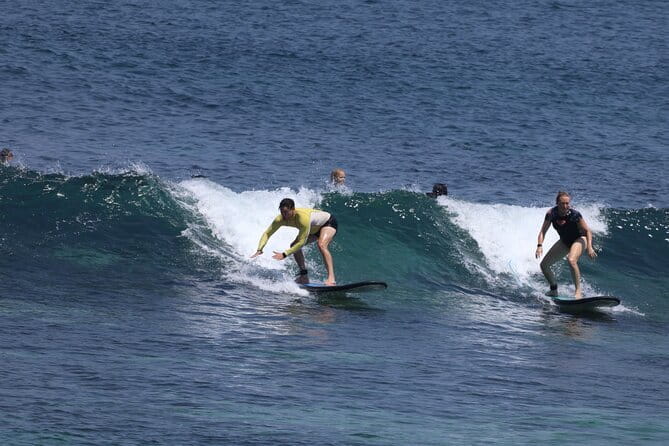
- WSL partnership since 2019: World Surf League–approved instruction approach
- A real 2-hour practice plan: paddling to pop-up to dropping into waves
- Small group size (max 8): more time with the instructor, less waiting
- Tide-based spot planning: you’ll get tide updates so conditions match the plan
- Surf gear provided: board, rashguard, zinc, and reef shoes if needed
Jimbaran Surf Lessons That Feel Like Confidence, Not Chaos
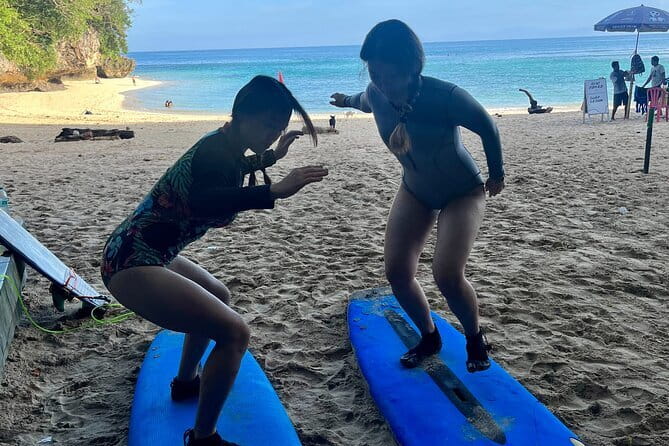
Surfing is equal parts balance and timing. The trick for beginners is getting both without feeling like you’re flailing in the ocean. This 2-hour beginners/intermediates session is designed for that exact moment when you go from watching waves to actually dealing with them.
What I’d aim for, if you’re new, is a lesson that takes the fear out of the water first. Here, the teaching starts with the basics of equipment and movement, then builds toward the wave skills that matter most: getting in safely, popping up quickly, and riding across the face of a wave you can actually catch. You’re not just given a board and pointed toward the sea.
Also, Surfnesia’s connection with the World Surf League matters more than it sounds. Since 2019, the program has been in partnership with the WSL, and that shows in the lesson approach: more time in the water, and instruction that treats beginners with the same respect as aspiring surfers who want technique.
You can also read our reviews of more tours and experiences in Jimbaran



Padang Padang Beach: Where the Lesson Starts and Ends
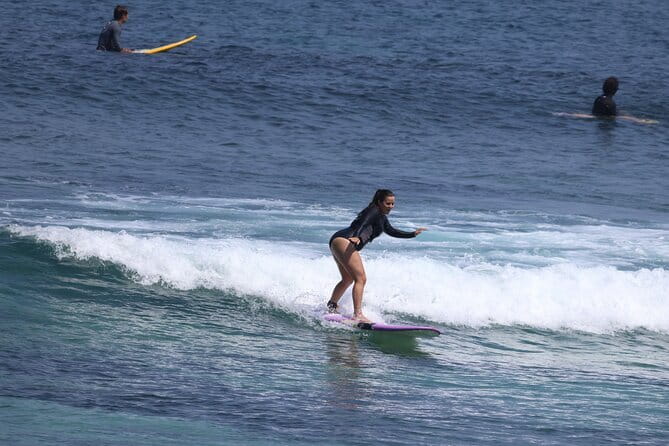
Your lesson begins at Padang Padang Beach in Pecatu, South Kuta (meeting point listed right there), and the activity ends back at the meeting point. That round-trip setup matters because you spend your energy surfing, not figuring out logistics.
The location also keeps things practical. Padang Padang is a known Bali surfing area, and it’s the kind of setting where beginners can start learning with guidance close by. If you’ve been to Uluwatu before, you know the cliffs look dramatic from shore. This kind of lesson helps you get to the ocean part without feeling overwhelmed by the bigger-surf vibe around the peninsula.
One more practical note: the tour is “near public transportation.” If you’re staying somewhere in the South Kuta area, that can make your morning (or day) plan easier, especially if you don’t want to arrange private pickup just for a surf lesson.
Inside the 2 Hours: What You’ll Actually Practice
This isn’t a “sit on the sand and get a lecture” kind of session. The flow is built around movement, repetition, and correcting in the moment. You’ll cover the basics step-by-step, then apply them right away.
Here’s the progression you should expect during the lesson:
1) Equipment and how to handle the board
You’ll be taught the basics of surfing gear and how to use it properly. That includes understanding what the board is doing under you, and how to move with it without fighting it. For beginners, this is where you stop feeling clumsy and start feeling coordinated.
2) Paddling and positioning
Paddling is where surfing either clicks or stays frustrating. In a good lesson, paddling isn’t rushed. You learn how to get into position so you’re not always arriving late to the wave.





3) Popping up: the move that makes you stand
The “pop-up” is usually the hardest part for first-timers because your body has to change from lying flat to standing fast. The coaching focuses on the mechanics that make standing up more repeatable, instead of hoping you get it right once by luck.
4) Dropping into waves (and learning when to ride)
You’ll be taught how to drop in and ride across waves once you can control the basics. This matters because many beginners try to stand too early or wait too long. Learning the timing reduces the wipeouts and increases the chances you’ll feel successful on multiple attempts.
5) Surf etiquette and practical ocean safety
This is a big part of the value. You’ll learn surf etiquette and beach awareness, plus ocean safety. That’s the difference between just getting on a board and actually understanding the water like a surfer.
6) Getting in and out safely
You’ll be taught how to safely enter and exit the water. That may sound like a small detail, but it’s often what determines whether you enjoy the session. When you know the routine, you relax, and relaxation helps your technique.
In short: you’re practicing the sequence that turns ocean chaos into a controlled skill.
Safety, Tide Timing, and Etiquette That Saves Your Day

Surf lessons are safety lessons disguised as fun. Here, safety isn’t an afterthought. You get instruction on ocean safety and beach awareness, plus guidance on surf etiquette so you’re not accidentally creating hazards for yourself or others.
Tide updates mean your session stays realistic
One detail I really appreciate: you’ll get updated tide chart guidance because some spots are safer or work better at high tide, while others make more sense at low tide. That matters because tide can change water depth, wave behavior, and how forgiving the conditions feel for beginners.
The course also references famous nearby beginner-friendly targets like Uluwatu, Padang Padang, Dreamland, and Balangan. You may not hit all of them in one lesson, but the point is clear: the team thinks about where the conditions will help you learn, not just where the scenery looks impressive.
Reef shoes are part of the practical package
Your lesson includes reef shoes if necessary. That’s not just comfort; it’s injury prevention. If you’ve ever stepped on coral or rough rocks, you know why this matters. Even when the water looks inviting, the ground world around a surf session can be less forgiving.
Instructor attention makes “safety” real
The standout theme in the instruction is how supported you feel in the water. The instructor name you’ll commonly hear is Bintang, and the feedback consistently points to calm teaching, clear directions, and patience. When you’re new, that kind of coaching style matters as much as the wave itself, because it reduces panic and makes corrections easier to follow.
Gear Provided: What You Get and What You Should Plan for

This lesson keeps costs and hassle down by providing key equipment. Included is:
- Surfboards
- Rashguards
- Zinc (sun protection provided)
- Reef shoes if necessary
That’s a real value point. Surf schools can charge extra for gear, and some require you to bring your own. Here, you show up and focus on learning.
What isn’t included (and why it’s worth planning)
Not included:
- Private transportation
- Bottled water
- Admission fee: IDR15,000.00 per person
That admission fee is important because it affects your all-in cost. If you budget only the listed price and forget the local add-on, you might feel surprised at the end. Plan for it.
Also, since bottled water isn’t included, bring a refill plan. You don’t want hydration to become an extra decision mid-session.
What to wear (and what to avoid guessing)
The data doesn’t spell out clothing rules beyond rashguards being provided. In practice, you’ll want to think in terms of swim-ready basics and comfort. If you’re unsure, ask your operator what they recommend the day before, since ocean conditions and the timing can affect what feels best in the water.
Price and Value: Is This $33.62 Worth It?
At $33.62 per person for about 2 hours, this lesson sits in a reasonable range for Bali surf training—especially with the included gear and the small group cap of 8.
Here’s how I’d judge value, not just cost:
- Time in the water: The session is structured to move you through the surf learning sequence quickly.
- Included gear: Board, rashguard, zinc, and potentially reef shoes. That reduces extra spending.
- Safety instruction: Ocean safety, surf etiquette, and entry/exit skills are part of the teaching, which is often what separates a fun first day from an exhausting one.
- WSL partnership since 2019: The program’s WSL connection suggests an emphasis on good instruction practices, not random “go try it” vibes.
Then there’s the local add-on: the IDR15,000 admission fee plus the fact that bottled water and private transport cost extra if you choose them. But even with those realities, you’re still paying for structured instruction and gear for a short, high-impact block of time.
If you want surf technique without spending half your day on logistics, the value here is strong.
Timing: 6:00am to 4:30pm, and Why It Matters
You can schedule lesson times from 6:00am to 4:30pm (sunrise to sunset), Monday through Sunday. That flexibility helps because surf conditions and tide windows can shift throughout the day.
Also, since the team uses tide guidance to pick safer, better-suited conditions, your lesson time can change the “feels like learning” factor. Early sessions may feel crisp and more spacious. Later sessions can bring different wind and water rhythm. The key point is: you’re not stuck with one rigid plan.
If you’re building a Bali schedule, I’d treat this like a priority activity, not an optional filler. Once you know the tide and spot fit, you’ll get more chances to stand, ride, and move beyond the first-wave jitters.
Who Should Book This (and Who Should Skip It)

This is a solid match for:
- Beginners who want a clear pathway from paddling to standing
- Intermediates who want technique and safety reminders
- People who want an instructor they can trust in the water, especially for first-time nerves
It’s also a good fit for families. The instructor approach has support for kids in the same teaching style, so if you’re traveling with younger surfers, this kind of calm, attentive coaching can be a big advantage.
Physical considerations
The lesson is listed for people with moderate physical fitness. That doesn’t mean you need to be athletic. It means you should be able to handle paddling, repeatedly getting up, and spending focused time in the water.
It’s not recommended if you have dislocation problems. If that describes you, you’ll want to choose a different activity and talk to a medical professional if you’re unsure.
Group size matters
With a maximum of 8 travelers, you’ll get more correction and less waiting around. That’s a big deal if you’re learning something as physical as surfing.
The Bottom Line: Should You Book Surfnesia in Jimbaran?
If your goal is a confident first surf lesson with hands-on coaching, this is an easy “yes” for most people. The combination of WSL partnership, safety-first teaching, and a small group size means you’re not just paying for the board. You’re paying for a learning environment where technique gets corrected while you’re still engaged.
I’d especially recommend it if you:
- Want to learn fast in a 2-hour window
- Appreciate clear instruction and patient support from instructors like Bintang
- Are willing to follow safety and surf etiquette rules so the whole session stays smooth
I’d consider passing only if you have health limitations tied to dislocation problems or if you’re not comfortable with moderate physical effort in the water.
If you’re in Bali and you want surfing to be an actual skill you leave with, not a dramatic story that starts with wipeouts only, this lesson is a smart bet.
FAQ
Where is the meeting point for the surf lesson?
The lesson starts at Padang Padang Beach in Pecatu, South Kuta, Badung Regency, Bali, Indonesia, and it ends back at the same meeting point.
What’s included in the Surfnesia surf lesson?
The lesson includes surfboards, rashguards, zinc, and reef shoes if necessary.
Is there an extra admission fee?
Yes. The admission fee is IDR15,000.00 per person, and it is not included in the listed price.
How long is the lesson, and who is it for?
The experience runs for about 2 hours and is aimed at beginners/intermediates.
How do you handle scheduling with different surf conditions?
You can book times from 6:00am to 4:30pm daily, and you’ll receive updates of the tide chart since some surf spots are better and safer at high tide while others work better at low tide.
What happens if poor weather cancels the experience?
This experience requires good weather. If it’s canceled due to poor weather, you’ll be offered a different date or a full refund.