REVIEW · SEMINYAK
From Bali : Bromo & Kawah Ijen – 3-Day Adventure
Book on Viator →Operated by Indotravelteam · Bookable on Viator
One sunrise, one crater, zero normal. In 3 action-packed days, you’ll go from Bali toward Java to catch Mt. Bromo at first light and hike to Kawah Ijen blue fire with the right gear. It’s an intense itinerary built around timing, safety, and views that feel almost unreal.
What I like most is the small-group feel (up to 10 people) paired with professional, English-speaking guides. I also appreciate that you’re not just dropped at trailheads—you get real safety support at Ijen (mask, headlamp, gloves), plus a jeep ride that puts you right where you need to be for the Bromo sunrise climb. Guides such as Sahal and Fani come up in people’s stories for being upbeat and grounded.
The main drawback is the pace. You should expect early mornings, lots of driving, and basic accommodations (not luxury). If you hate long travel days or hard hikes, this may feel like more work than vacation.
In This Review
- Key highlights worth knowing before you go
- Why this Bali-to-Bromo-and-Ijen trip works on a tight clock
- Day 1 in East Java: getting to Bromo and resetting your rhythm
- Mt. Bromo sunrise: the 4×4 ride and 250 steps to the top
- Kawah Ijen at 1:00 AM: blue fire with a mask, headlamp, and gloves
- The food, rooms, and how “included” affects your budget
- Guides, communication, and why the human factor matters
- The pace you should plan for (and what to pack mentally)
- How much is it really worth?
- Who should book this Bromo and Ijen tour from Bali
- Should you book it?
- FAQ
- What time is pickup from Seminyak and Ubud?
- How early do you start for the Mt. Bromo sunrise?
- Do you get safety gear for the Kawah Ijen blue fire hike?
- How long is the trip and how many nights are included?
- What meals are included?
- What happens if bad weather affects the volcano experience?
Key highlights worth knowing before you go
- Mt. Bromo sunrise by 4×4: you’ll transfer out to the volcano for that early, dramatic light over the Sea of Sand.
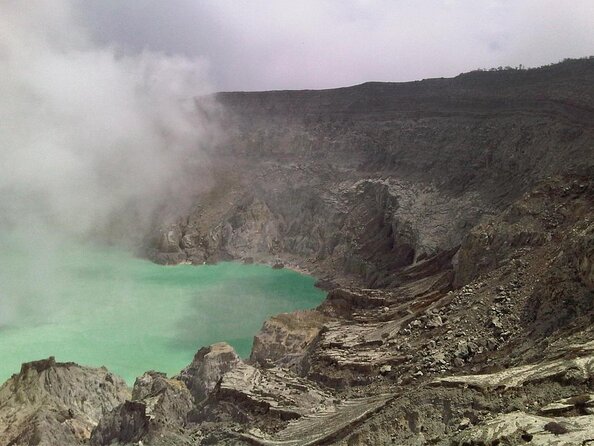
- The Ijen hike is gear-first: you’ll hike at night with a headlamp and a gas mask plus gloves for handling colder, rougher sections.
- Pro English-speaking guidance: you don’t need to figure out timing or routes on your own; the guides handle it.
- A private room for two nights: even solo travelers get a private room with hot water and Wi-Fi.
- A day shaped by crater air and timing: Ijen’s blue fire depends on conditions, so weather and fumes matter.
Why this Bali-to-Bromo-and-Ijen trip works on a tight clock
This is a classic East Java volcano run, but what makes it practical is how tightly the days are structured. You’ll be up early enough to catch the best light on Bromo, then you’ll switch gears and go for the Ijen crater experience at night—when the famous blue fire is possible.
The value is also in what’s wrapped together: transfers, most meals, entrance fees, guides at both major sites, and the transport that would be annoying (and time-consuming) to coordinate alone. For $348.72 per person, you’re basically paying for logistics, timing, and safety equipment—not just scenery. And that matters when you’re crossing from Bali to Java and trying to line up early starts.
Finally, the small group size (maximum 10 travelers) helps the day feel more controlled. You still need to keep up, but you’re less likely to get lost in a crowd.
You can also read our reviews of more tours and experiences in Seminyak
Day 1 in East Java: getting to Bromo and resetting your rhythm
Your pickup from Bali is early. Depending on where you start, it’s typically 5:45 AM from Seminyak, or 7:00 AM from Ubud (with other pickup areas also possible). That’s a big ask, but it’s also what makes the rest of the plan possible.
On this first day, you’re working toward Mount Bromo Tengger Semeru National Park. The day is listed at about 5 hours of activity at the park, which usually means you’ll spend the time traveling, getting oriented, and positioning for an even earlier wake-up next morning. You’ll also have the comfort of ground transfers in a car and the ferry included as part of the package.
This is the day to keep your expectations simple: think of it as the setup. You want energy for the next two days, so eat your included meals, hydrate, and don’t plan extra activities after check-in.
Mt. Bromo sunrise: the 4×4 ride and 250 steps to the top
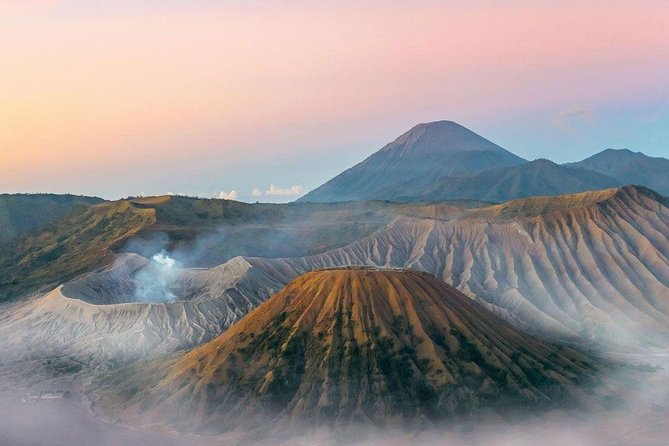
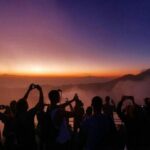
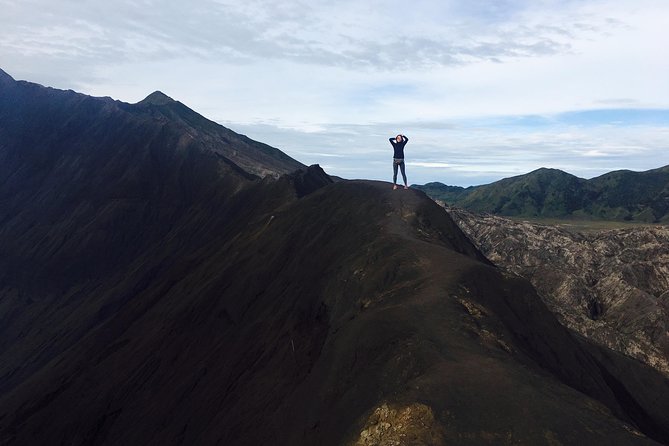
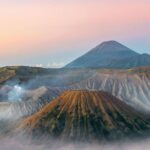
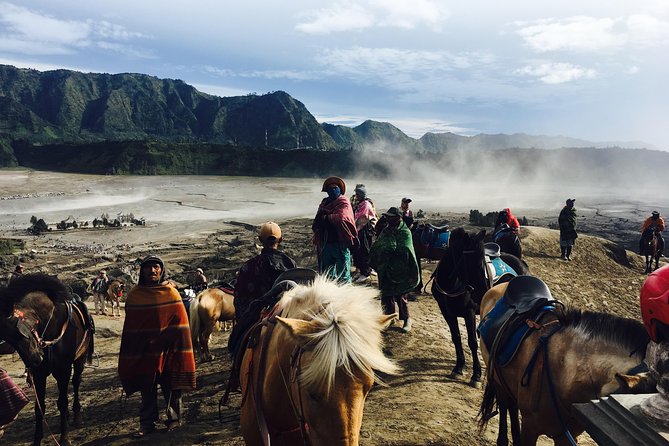
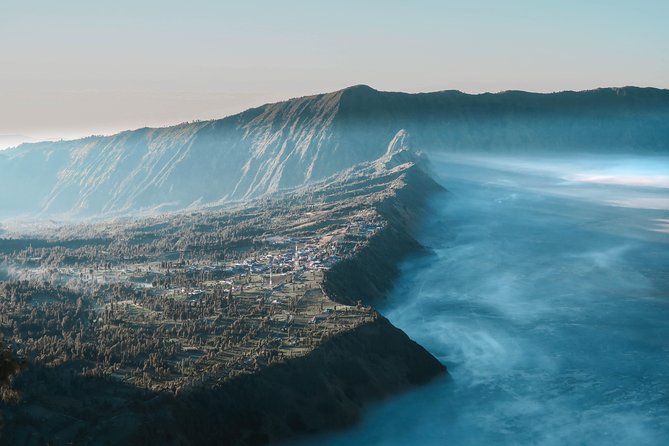
Day 2 is where the trip earns its reputation. After a 3:30 AM wake-up, you’ll head out by 4×4 jeep to ascend Mount Bromo (active volcano, about 2,300 meters elevation). Then comes the short but real climb: a narrow path and 250 steps to reach the summit viewpoint area.
This isn’t a technical hike, but it is physical. The path is narrow, the footing can be uneven, and you’ll feel it in your legs because it’s cold and dark at first. The good news is the climb is short. Once you reach the top, you’re rewarded with wide-open views—part of why people describe Bromo as otherworldly.
What I like about this approach is that you’re not stuck far from the action. The jeep transport gets you close, and the steps are a clear target. Also, Bromo is a UNESCO World Heritage Site, so you’re not just visiting a volcano—you’re visiting a protected landscape with real geological importance.
One practical tip: if you’re sensitive to crowds, ask your guide how they’re handling sunrise access. One piece of advice that comes up is to confirm your Bromo sunrise location with your guide, since some routes aim to reduce crowding even if it changes the exact viewing spot.
Kawah Ijen at 1:00 AM: blue fire with a mask, headlamp, and gloves
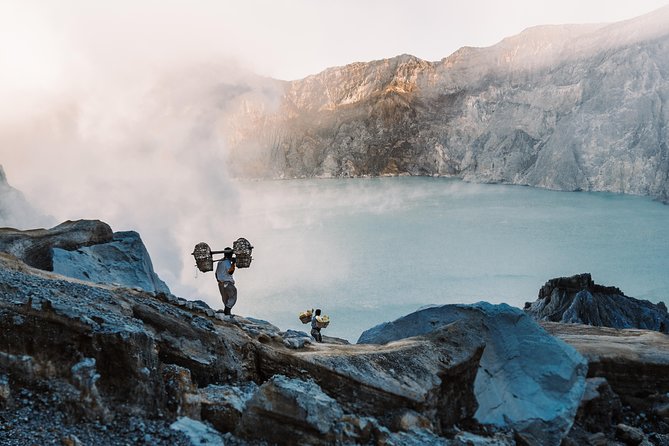
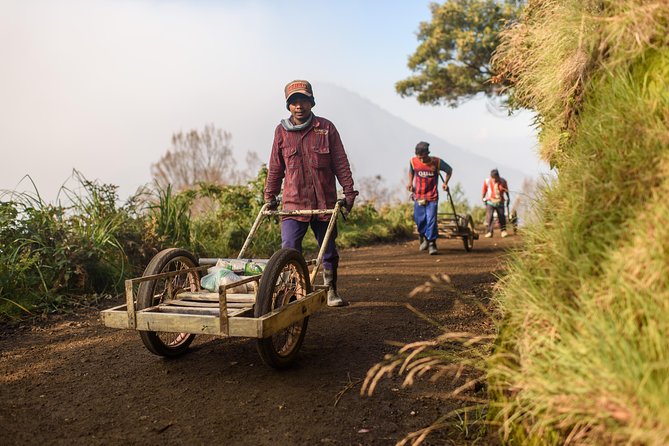
Day 3 starts even earlier. You’ll depart around 1:00 AM to base camp (about 1,900 meters). After a safety briefing and getting your gear, you’ll hike roughly 1.5 hours under the stars to the Kawah Ijen summit area (about 2,300 meters).
This is the part of the trip that many people remember for a long time. In darkness, you descend back into the crater area to see the famous blue flame from the sulfuric gases. It’s dramatic in photos, but it’s also visceral in person—cold air, steep terrain, and that eerie glow that makes you stop talking and just look.
The safety equipment is not optional, and that’s a big reason this tour is worth considering. You’re provided with:
- Gas mask/respirator (to protect against fumes)
- Headlamp for night visibility
- Gloves for safer handling on the crater routes
These details matter because Ijen is not just a scenic viewpoint hike. It’s an environment where your breathing and footing are the priorities.
I also like that the group is guided. There’s a strong emphasis on not getting separated in tough terrain. One practical note from the way guides have run similar hikes: using leaders in front and behind helps keep the group together and reduces the stress of night hiking.
The food, rooms, and how “included” affects your budget
You get 2 breakfasts, 2 lunches, and 2 dinners included. That’s a lot of meals covered, especially on a schedule where leaving the group would mean missing key timings. It also reduces decision fatigue at odd hours.
For sleeping, the package includes 2 nights of accommodation in a private room (even if you’re traveling solo). The rooms are described as clean, with hot water and Wi-Fi. You also get access to a room and shower after the ascent of both volcanoes. That last part is more important than it sounds—after early-morning exertion, a real shower helps you feel human again.
Still, keep your expectations honest. This is a volcano expedition package, not a resort holiday. When people flag accommodations as basic, it usually means simple comfort rather than luxury details. Plan for that, bring what you need (like a warm layer), and you’ll enjoy the trade-off: most of your money goes toward logistics, safety, and access.
Guides, communication, and why the human factor matters
This kind of trip lives or dies by coordination. The consistently praised theme is organization and communication, plus friendly, professional guides.
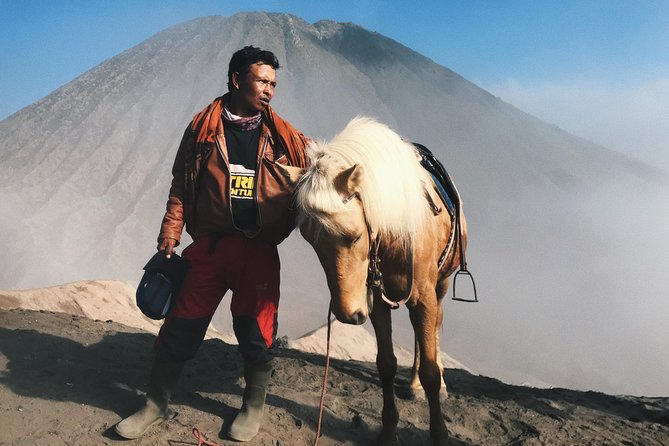
Names like Sahal, Fani, Epi, and Reza show up in people’s stories, and that gives you a clue about the staffing style: guides are not just translators. They’re local people from the regions you’ll visit, and they tend to bring that practical know-how—where to go, what to expect, and how to keep morale up during the long driving and hard starts.
You’ll also have professional English-speaking guidance for both Bromo and Kawah Ijen. That means you don’t have to guess about pacing, safety rules, or when to move as conditions change.
On a personal level, I love when a tour feels like a team rather than a bus schedule. Here, the small group size plus multiple guides (and the front/back support style on hikes) helps the experience feel controlled without feeling stiff.
The pace you should plan for (and what to pack mentally)
Let’s be real: this is not a relaxed cruise through volcano views. It’s a structured expedition with:
- Early pickups from Bali
- A pre-dawn wake-up for Bromo
- A 1:00 AM departure for Ijen
- Night hiking and uneven crater terrain
So the biggest “consideration” isn’t technical ability—it’s stamina and your comfort with fatigue. The people who love this trip tend to be the same ones who enjoy sunrise missions, don’t mind early hours, and can handle a day where you do a lot of driving.
If you get motion sick, you should plan for long transfer time in cars and jeeps. If you hate cold, bring layers—especially for the crater hike atmosphere. And if you’re worried about fumes at Ijen, rely on the respirator you’re provided and follow your guide’s instructions about proper use.
How much is it really worth?
At $348.72 per person, this can look steep until you break down what’s included. You’re paying for:
- Round-trip-style transfers from central Seminyak and other pickup areas
- Ferry included as part of the Bali-to-Java routing
- Entrance fees for the national parks
- 4×4 jeep transport for Bromo sunrise
- A guided hike at Ijen with respirator, headlamp, and gloves
- Two nights in a private room with hot water and Wi-Fi
- Most meals
In other words, you’re buying a time-and-effort shortcut with safety support built in. If you tried to DIY this with separate drivers, separate tickets, and the wrong timing, you’d likely spend more money and still risk missing sunrise windows.
That’s why the top praise centers on value and organization. You’re not just seeing two volcanoes—you’re getting the logistics stitched together so you can focus on the sights.
Who should book this Bromo and Ijen tour from Bali
This fits best if you:
- Want a high-impact itinerary in just 3 days
- Like early mornings and night hikes
- Are okay with simple rooms and a lot of driving
- Want a guided plan that includes safety gear for Ijen
It may be a poor fit if you:
- Want a slow travel pace or lots of free time
- Struggle with cold, steep terrain, or uncomfortable night conditions
- Need luxury accommodations
If you’re the type who enjoys learning on the ground, note that the tour description also points to learning about Javanese life, coffee, and food. That’s a nice bonus when you want more than just a photo stop.
Should you book it?
I’d book it if you want the most efficient route to Mt. Bromo sunrise and Kawah Ijen blue fire without having to piece together transport, permits, and timing. The combination of guided hikes, provided safety equipment, and private rooms for two nights makes it a strong value for a short trip.
Before you pay, be honest about two things: your willingness for very early mornings, and your comfort with a tough night hike at Ijen. If you’re good with that trade, this tour is built for memorable, once-in-a-while moments—not a gentle stroll.
FAQ
What time is pickup from Seminyak and Ubud?
Pick-up is listed around 5:45 AM from Seminyak or 7:00 AM from Ubud. Other pickup areas are also possible.
How early do you start for the Mt. Bromo sunrise?
You’ll wake up about 3:30 AM for the Bromo sunrise day, then go by 4×4 jeep and climb the path with steps to reach the summit area.
Do you get safety gear for the Kawah Ijen blue fire hike?
Yes. The tour includes a respirator/gas mask, a headlamp, and gloves for the Kawah Ijen crater hike.
How long is the trip and how many nights are included?
The experience runs about 3 days and includes 2 nights of accommodation in a private room.
What meals are included?
Meals included are 2 breakfasts, 2 lunches, and 2 dinners, plus transfers and entrance fees.
What happens if bad weather affects the volcano experience?
This experience requires good weather. If it’s canceled due to poor weather, you’ll be offered a different date or a full refund.