REVIEW · KUTA
Indonesia: Garuda Wisnu Kencana
Book on Viator →Operated by GlobalTix Pte Ltd · Bookable on Viator
Bali’s giant Garuda statue is hard to ignore. At GWK Cultural Park you’ll face a 120.9-meter Wisnu on Garuda and catch hourly cultural performances that run through the afternoon. I like how the scale makes everything feel cinematic, even if you only have a short visit. I also like that you can explore the park at your pace, either on foot or by Segway. One drawback to keep in mind: some visitors find the entry price hard to justify if you’re expecting a quick photo stop only.
The park is big—60 hectares—and the ground is spread out between sculptures, viewpoints, and performance areas. I like that the experience is built around the statue as a centerpiece, with lots of “look again” details instead of just one angle. Still, if it rains or you’re not in a walking mood, you’ll want a plan for getting around, since there are times when a buggy service is the smartest move.
In This Review
- Key highlights to know before you go
- Garuda Wisnu Kencana: Why This 120.9-Meter Statue Matters
- Timing Your 2 to 3 Hours With the Hourly Performance Schedule
- Getting Around Inside GWK: Walking, Segway, and the Buggy Factor
- The Performance Circuit: What You’ll See From 11.00 to 18.00 WITA
- Statue Details That Make Photos Better (and Visits Less Repetitive)
- Price and Ticket Value: What $6.22 Really Buys You
- Who GWK Fits Best (and Who Might Skip It)
- Should You Book Garuda Wisnu Kencana?
- FAQ
- Where is this experience located?
- How long does the visit usually take?
- Is the ticket delivered digitally?
- Are there cultural performances included, and when do they happen?
- Are children free?
- What are the ticket rules?
- Can I cancel or change my booking?
Key highlights to know before you go
- The statue’s exact wow-factor: 120.9m tall, 64m wingspan, and made with copper, brass, and steel
- Balinese performances on a clock: multiple Tari dances every hour, plus a KECAK slot at 18.00 WITA
- You choose your pace: walk or use a Segway, with buggy transport available in the park
- A 60-hectare storytelling layout: more than one place to look, not just one selfie point
- Good short-visit fit: 2 to 3 hours works well if you time it around a show
Garuda Wisnu Kencana: Why This 120.9-Meter Statue Matters
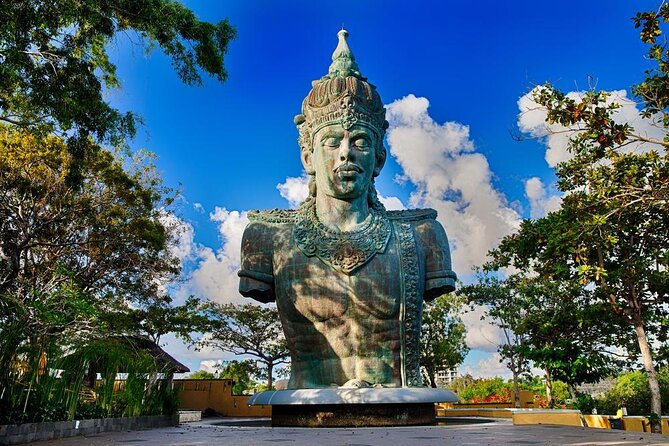
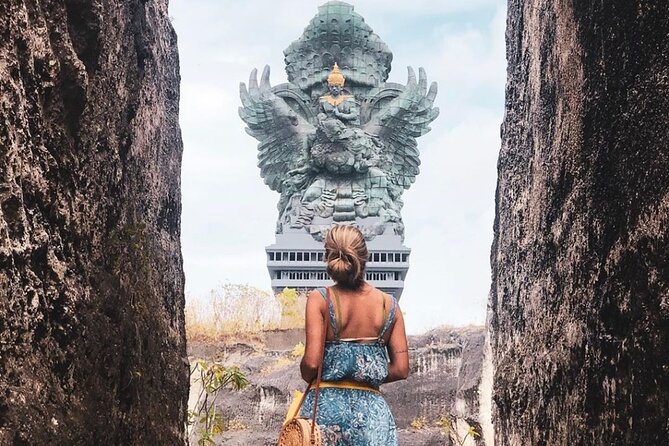
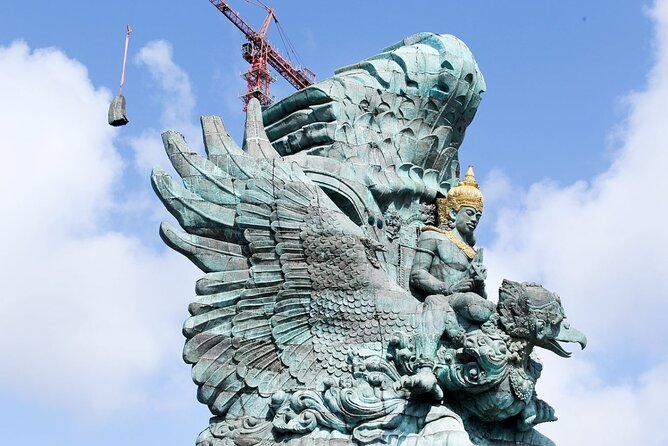
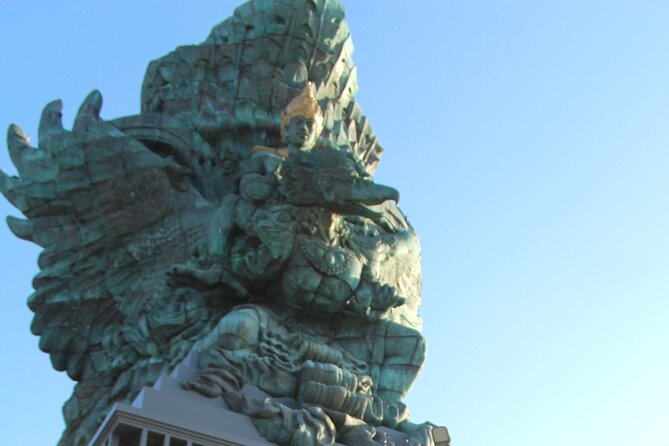
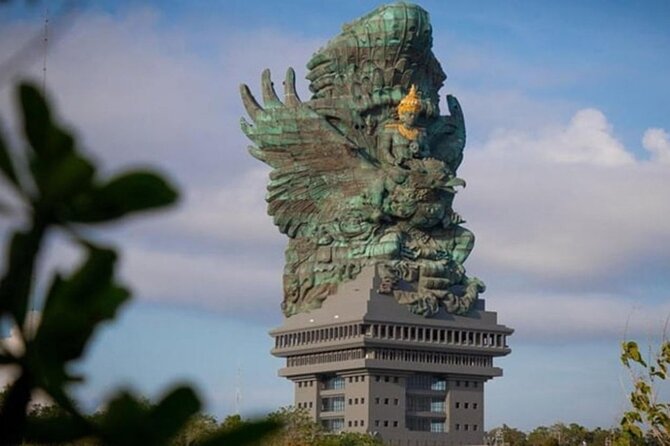
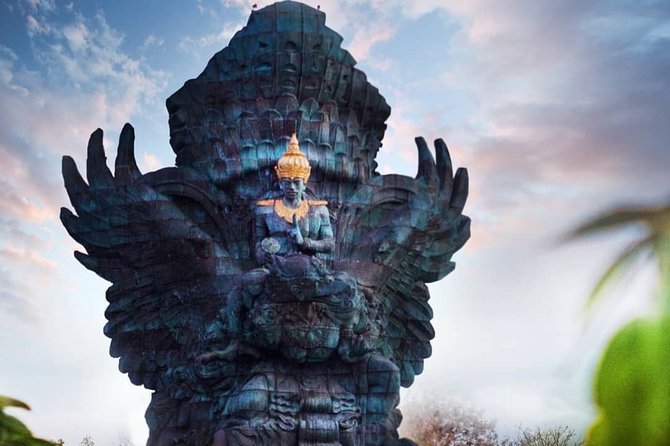
The Garuda Wisnu Kencana Cultural Park is centered on one landmark: the Garuda Wisnu Kencana statue, created by Balinese artist Nyoman Nuarta. It depicts Lord Wisnu riding the mythic eagle Garuda—an image that ties religious symbolism to national identity. In the story behind the statue, Garuda represents freedom from oppression, while the whole figure points to protection, loyalty, and freedom.
The statue is engineered for instant scale impact. It’s 120.9 meters tall with a 64-meter wingspan, and the park itself is laid out to make the statue feel like the “main event” you keep circling back to. You’ll also notice design work meant to read from a distance: gold mosaic crowns, plus a blend of materials—copper, brass, and steel—that give the structure depth in different light.
One practical reason to care about the symbolism: GWK doesn’t treat the statue like a random sightseeing object. It’s the anchor for the whole cultural program in the park: performances, folklore-style storytelling elements, and a big cinematic presentation feel built around the mythology. If you like places where the meaning shows up in what you watch—not just what you photograph—you’ll enjoy GWK more.
You can also read our reviews of more tours and experiences in Kuta.



Timing Your 2 to 3 Hours With the Hourly Performance Schedule
GWK works best when you treat your visit like a show schedule problem. Your ticket covers entry, and the park stages performances every hour, every day. Your total visit time is about 2 to 3 hours, so you need to choose which segments you want to prioritize.
Here’s the performance rhythm you’ll see listed:
- 11.00 WITA: Tari Sekar jepun, Tari Kebyar Duduk, Topeng Kenyum Manis
- 12.00 WITA: Tari Jauk Keras, Tari Oleg Tamulilingan, Tari Kebyar Duduk
- 13.00 WITA: Tari Sekar Jepun, Tari Jauk Manis
- 14.00 WITA: Tari Topeng Monyer, Tari Jauk Manis
- 15.00 WITA: Tari Oleg Tamulilingan, Tari Barong-Bojog
- 16.00 WITA: Plaza Wisnu Parade Budaya Bali
- 17.00 WITA: Joged Bumbung
- 18.00 WITA: KECAK – Garuda Wisnu Kencana
If you’re only here for a couple hours, don’t try to catch everything back-to-back. I’d pick one early slot for dance, one “mid-afternoon” cultural moment, then decide whether you want to stay for the 18.00 WITA KECAK. KECAK is the final named performance time on the schedule you provided, so if your day allows it, that’s the cleanest way to end your visit.
Also, build in buffer time. Even when the show itself is scheduled, you still need time to move between locations inside the park and find seating or a viewing spot. The park is large, and a tight arrival can turn a fun afternoon into a stressful scramble.
Getting Around Inside GWK: Walking, Segway, and the Buggy Factor
GWK is laid out across 60 hectares, so “walk the whole thing” can work only if you’re comfortable with lots of moving. The good news: the park explicitly gives you options. You can explore on foot, or use a Segway route if that’s offered during your visit.
In real life, the smart move is flexibility. There’s also a buggy service in the park, and it can make a big difference when you’re trying to stay on schedule for performances. One practical planning tip: if a buggy is available when you need it, take it. It saves time between the statue viewing areas and the performance zones.
There’s another detail worth knowing for comfort: show sessions and internal movement can get organized around frequent departures. At least one scheduled tour cadence described inside the park is every 15 minutes, which suggests the park is set up to keep foot traffic flowing. Still, you’ll want to time your movement so you’re not waiting around too long between events.
Finally, don’t ignore weather. The park is outdoors, and a sudden thunder shower can interrupt what you hoped to see and slow down your exploring pace. If you plan to visit mid-day, I’d pack for fast changes: something light for rain and shoes you can stand in for a while.
The Performance Circuit: What You’ll See From 11.00 to 18.00 WITA
The big value of GWK isn’t just the statue. It’s that you can build a cultural mini-program into your ticket time. The performances are assigned to specific areas, which helps you plan your walking route.
Here are the locations tied to the schedule you have:
- Amphitheater hosts the named Tari dances at multiple times (like 11.00, 12.00, 13.00, 14.00, 15.00 WITA).
- Plaza Wisnu is where the Parade Budaya Bali happens at 16.00 WITA.
- Lotus Pond is where Joged Bumbung appears at 17.00 WITA.
- 18.00 WITA is the KECAK – Garuda Wisnu Kencana performance, associated with the main Garuda Wisnu Kencana theme.
What I like about this setup is the variety. Tari dances let you see different movements and styles across the day, and the parade at 16.00 gives you a shift in energy. Joged Bumbung at 17.00 adds another change of scene before you decide whether to stay for KECAK.
A practical strategy: arrive with a target show time, not a vague goal. For example, if your schedule is flexible, you could come around 12.00 or 13.00 so you’re not stuck between events. If your goal is KECAK, time your arrival so you can also catch one earlier dance set before it.
Statue Details That Make Photos Better (and Visits Less Repetitive)
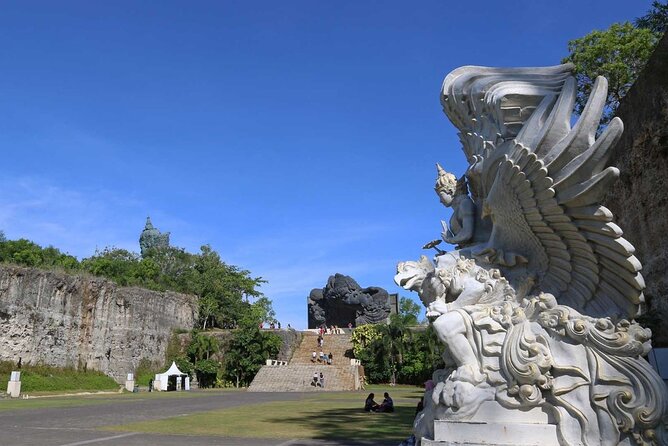
GWK can feel like a “big monument day” until you start noticing the parts you’d miss if you only look from one spot. The statue itself is the draw, but the park’s layout encourages repeat viewing—different angles reveal different aspects of the composition and crowns.
Here are the details that matter for a better visit:
- The statue is designed around Lord Wisnu on Garuda, so look for viewpoints where the “ride” is visible, not just the tallest point.
- Materials matter visually. The mix of copper, brass, and steel can change how the statue looks through the day, especially if your weather includes breaks in cloud cover.
- The gold mosaic crowns are meant to catch light. If you’re taking photos, try to schedule at least part of your visit for late morning or afternoon light rather than only mid-day glare.
If you want a guided angle, some ticket arrangements can include a guided tour up at the statue top. I’d treat that as a bonus worth looking for during booking, since a guide can help you understand what you’re looking at without you having to guess.
Also, remember the park isn’t just the statue. The grounds include gardens and other sculpture areas that make the “in-between time” worth it. That matters because your visit is only 2 to 3 hours, and you don’t want dead time.



Price and Ticket Value: What $6.22 Really Buys You
The listed price is $6.22 per person, and tickets are usually booked about 8 days in advance. That price is relatively low compared to many theme-park-style attractions, which is why GWK can feel like a deal—until you hit the reality of what you expected.
Here’s what your ticket context indicates:
- You get admission to Garuda Wisnu Kencana Cultural Park.
- It’s a mobile ticket experience.
- For kids, children under 100 cm are free of charge.
- The ticket is valid for 1 person and 1 time of arrival.
Where value can shift is how many “extra” things you want. Some people consider the park overpriced if they feel they’re paying for limited sightseeing and then paying again for add-ons. Other people feel the entry price is fair when the package includes more than a plain walk-through, like a guided component.
So how do you decide? I’d judge value using your own plan:
- If you want hourly dance performances plus a major landmark in a short time, $6.22 can feel very fair.
- If you only want one statue viewpoint and you hate moving around a big outdoor site, you might feel underwhelmed.
One more practical value point: a mobile ticket reduces friction. You don’t need to manage paper. Still, make sure you’re ready at the time of entry, since the ticket is tied to one arrival time.
Who GWK Fits Best (and Who Might Skip It)
GWK is a strong match for you if you like big visual landmarks paired with scheduled cultural performances. It’s especially good if you have a limited Bali schedule and want a concentrated, organized visit that lasts around 2 to 3 hours.
It also works well if you enjoy Hindu mythology as a story you can see represented in art and performance. The statue’s identity—Wisnu on Garuda, plus the Garuda emblem symbolism—gives the park a clear thematic thread.
I’d be more cautious if you:
- Only want quick photo spots and you’re not interested in watching performances.
- Don’t enjoy outdoor walking and you don’t want to rely on park transport.
- Feel uneasy about paying for entry when you believe you’ll need to add other paid experiences to feel satisfied.
If you’re traveling with kids, the free entry for children under 100 cm can help the math. If you’re traveling solo or as a couple, the schedule gives you flexibility, but you still need to choose the right show window.
Should You Book Garuda Wisnu Kencana?
I’d book GWK if you want one place that combines a monumental statue, multiple hourly dance performances, and a park layout that rewards more than one look, all within a short 2 to 3 hour window. At about $6.22, the price can be a bargain if you show up with a plan for at least one performance slot.
I’d skip or reconsider if you’re expecting a quick stop with minimal walking and minimal time commitment. Some visitors feel the price is too high for what they get if they’re only after a few sights and don’t stay for the show rhythm.
If you do go, do yourself a favor: pick one show time as your anchor (and be ready to move), and bring rain-ready basics just in case the afternoon turns.
FAQ
Where is this experience located?
It takes place in Kuta, Indonesia, at Garuda Wisnu Kencana Cultural Park.
How long does the visit usually take?
The duration is about 2 to 3 hours.
Is the ticket delivered digitally?
Yes. The experience uses a mobile ticket.
Are there cultural performances included, and when do they happen?
Yes. There are Balinese cultural performances every hour every day, with specific listed times including 11.00, 12.00, 13.00, 14.00, 15.00, 16.00, 17.00, and 18.00 WITA.
Are children free?
Yes. Children under 100 cm are free of charge.
What are the ticket rules?
The ticket is valid for 1 person and 1 time of arrival.
Can I cancel or change my booking?
This experience is non-refundable and cannot be changed for any reason.