REVIEW · KUTA
Mount Batur Sunrise Trekking Tour – Uluwatu area
Book on Viator →Operated by ON MY WAY TO BALI · Bookable on Viator
Waking up before 2 AM changes your whole trip. This Mount Batur sunrise trek is a small-group outing that gets you to the summit for sunrise, then keeps you moving with a crater walk before you head back toward Kuta. I like that the guidance comes from the Mt. Batur trekking association and that the day includes warm drinks, water, and a coffee plantation stop. The main drawback? You’re committing to a very early start, and there’s a real weather dependency plus a small risk of pickup issues.
The schedule is built around timing, not lounging. You’ll be picked up early, arrive in Toyabungkah before dawn, reach the sunrise point around 6:15 AM, and then continue around the crater before descending. If you’ve got the legs and you can handle low-light trekking, this is one of the better-value ways to see Bali’s mornings without overpaying for private chaos.
One more consideration: this is not a laid-back walk. It’s described as needing strong physical fitness, and it’s not recommended for kids under 12 or for elderlies—so choose it only if you’re comfortable with an early, uphill start.
In This Review
- Quick takeaways before you commit
- Why this Mt. Batur sunrise trek feels different from a standard Bali tour
- Pickup in Kuta/Uluwatu area: the part that can make or break the morning
- The dark start at Toyabungkah around 3:45 AM
- Reaching the Mount Batur sunrise point around 6:15 AM
- After sunrise: trekking around the crater area from 7:00 AM to 8:00 AM
- Descent back to Toyabungkah and the ride home by about 11:30 AM
- The included Balinese coffee plantation stop (about 2 hours)
- Price and value: $61.54 and what that includes
- The guide setup: Mt. Batur trekking association and staying safe in the dark
- Weather risk and the simple steps to protect your morning
- Who should book this Mount Batur sunrise trek (and who should skip it)
- Should you book this trek? My practical take
- FAQ
- What time is pickup for the Mount Batur sunrise trek?
- When do we arrive at the starting point in Toyabungkah?
- What time do we reach the sunrise point on Mount Batur?
- Is a flashlight provided?
- Is the coffee plantation stop included?
- How many travelers are in the group?
- What happens if the tour is canceled due to poor weather?
Quick takeaways before you commit
- Tiny group size (max 10 travelers) helps the morning feel organized instead of crowded.
- Flashlights included so you’re not fumbling in the dark at Toyabungkah.
- Sunrise at the summit around 6:15 AM followed by a full crater walk keeps the experience moving.
- Coffee plantation stop is built in with admission included for about 2 hours.
- Weather matters and the operator can offer a different date or a full refund if canceled for poor conditions.
Why this Mt. Batur sunrise trek feels different from a standard Bali tour
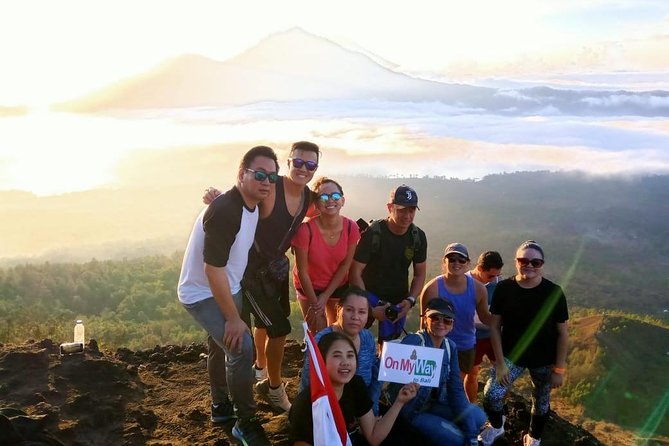
This isn’t just a sunrise photo stop. The day is structured like a hike with purpose: reach the viewpoint before sunrise, watch it happen, then keep trekking along the crater area before you go back down. That rhythm is why the experience tends to land with people: you don’t just arrive and leave, you earn the moment.
I also like the pacing after sunrise. Many tours front-load the big view, then turn into a long waiting game. Here, you get sunrise first, then you’re still on your feet for about an hour before descent. It keeps your energy used in the right order: awake for sunrise, active after, and finished before the heat of the day fully kicks in.
And yes, there’s a culture angle tied into the day. In the feedback you have here, people praised the way their guide shared local context and made the experience fun. That’s the difference between a routine trek and a morning you actually remember.
You can also read our reviews of more hiking tours in Kuta

Pickup in Kuta/Uluwatu area: the part that can make or break the morning
Your day starts with an early pickup from your hotel location in the Kuta area (the trek is in the Kintamani region). The scheduled pickup window is listed as around 1:40–2:30 AM, depending on where you’re staying. That’s early enough that you’ll want to be ready the night before.
You should also know what you’re buying into when you choose a shared tour with transfers: it’s more efficient than a private car, but it relies on timing. In the available feedback, there are complaints about pickup failures or missed arrival—so don’t treat your pickup like a vague suggestion. I’d message the provider to reconfirm and keep your phone handy for the early morning window.
The good news: once you’re in the air-conditioned vehicle, you’re not handling the long transfer yourself. For a sunrise trek, that matters.
The dark start at Toyabungkah around 3:45 AM
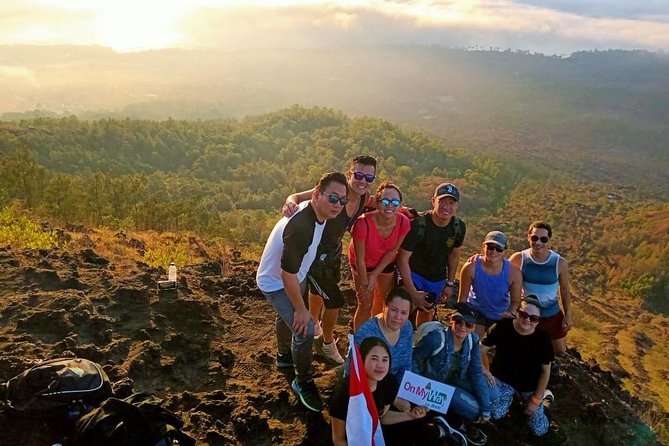
After pickup, you arrive at the starting point in Toyabungkah village around 3:45 AM. This is when the flashlight support becomes more than a nice-to-have. You’ll be walking in low light, which changes how you need to move: slower steps, better footing, and a focus on the guide ahead of you.
What I like about this staging is that it gives you time to settle into the hike before sunrise. You’re not rushing from car door to summit. You begin from a village start point, then build upward.
Your practical checklist for this part is simple:
- Wear shoes you trust for uneven ground.
- Bring what you need to stay comfortable in the dark.
- Follow the guide’s pace rather than trying to set your own.
The tour is capped at up to 10 travelers, so the group stays manageable in the pre-dawn hours. That usually means less bumping, fewer bottlenecks, and a better chance of keeping together.
Reaching the Mount Batur sunrise point around 6:15 AM
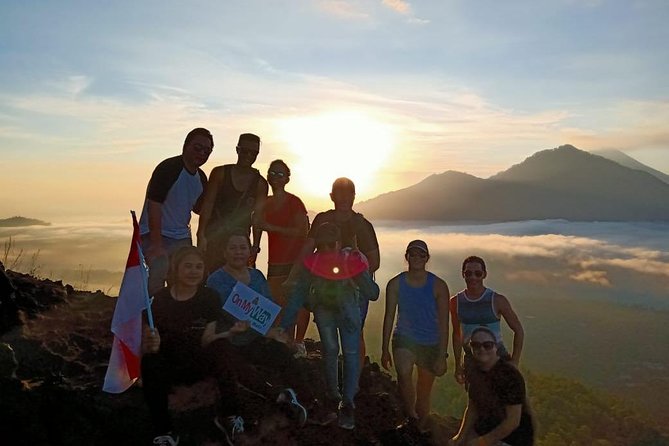
You reach the summit sunrise point at about 6:15 AM, then sunrise viewing starts roughly around 7:00 AM in the schedule. That means you’re in position with enough time to settle, take photos, and watch the light change.
I like that the tour is explicit about the timing. For sunrise treks, vague promises are common. Here, you’re given specific anchor points—pickup window, arrival time at the start, and arrival at the sunrise spot—so you can plan your expectations.
Also, the day includes coffee and/or tea plus bottled water, which is a welcome detail when you’re cold and tired from the early wake-up. It’s not a life-changing meal, but it’s exactly the kind of comfort that makes sunrise feel like a complete experience instead of a punishment.
One caution: your own energy will matter most here. This is labeled as requiring strong physical fitness, and it’s not recommended for kids under 12 or elderlies. If you know you struggle with early starts or uphill effort, be honest before you book.
After sunrise: trekking around the crater area from 7:00 AM to 8:00 AM
Once sunrise is out of the way, you continue trekking around the crater starting around 7:00 AM and you begin descent around 8:00 AM. This is a key part of why the tour feels worth it. You’re not done after the big moment—you get a longer stretch of hiking that keeps your experience active and varied.
What this means for you:
- You’ll have a clear transition from stillness to movement.
- You won’t feel like you’re waiting around in the middle of the day.
- You’ll get more than one highlight moment, even if you’re not a hardcore hiker.
A potential drawback is also simple: you still have to walk. Sunrise is exciting, but the crater stretch adds effort after you’ve already spent time getting to the viewpoint. If you’re prone to gasping halfway through hikes, you’ll want to pace yourself and not sprint the early section.
You can also read our reviews of more tours and experiences in Kuta

Descent back to Toyabungkah and the ride home by about 11:30 AM
You descend toward Toyabungkah and are scheduled to arrive at about 9:00 AM, when you board the car. Then the day keeps going, which helps justify that early start: you’re not done with the trip once you finish the hike.
By 11:30 AM, you leave the coffee plantation stop and head back toward your hotel, returning to the Kuta/Uluwatu area later in the morning. That timing is practical if you still want a normal Bali afternoon—swim, eat, shop, and maybe recover without losing the entire day.
I also appreciate that the group size stays small. When you descend with a group of up to 10 people, you generally spend less time regrouping and more time just finishing your day’s work.
The included Balinese coffee plantation stop (about 2 hours)
Around 10:00 AM, you stop at a Balinese coffee plantation, and the schedule indicates admission is included for roughly 2 hours. This is a common Bali stop, but here it’s built into your tour timeline, not tacked on after a long wait.
What you can expect from this kind of visit (sticking to what’s actually in your tour info): you’ll have a chance to see a coffee plantation setting and spend about two hours there. The tour also includes coffee and/or tea earlier in the morning, so you’re already set up for the theme of the day.
Is it for everyone? Probably not. If you’re tired after an early hike, you may treat it as a break. If you like learning how everyday Balinese products show up in visitor experiences, it’s a nice add-on that fills time naturally between hike end and return to your hotel.
Price and value: $61.54 and what that includes
At $61.54 per person, you’re paying for several things working together:
- Air-conditioned vehicle for the transfer
- Flashlights for the pre-dawn hike
- Coffee and/or tea plus bottled water
- A full morning program: sunrise point, continued crater trek, descent
- A coffee plantation stop with admission included for about two hours
When you compare it to how much a private sunrise hike and separate transport would usually cost, the value comes from bundling. You’re also not scrambling to find guides or equipment. The tour explicitly states guidance from the Mt. Batur trekking association, which matters in the early morning.
What’s not included is also straightforward: personal expenses and donations. That means you’ll want to budget for any snacks, souvenirs, or optional tips you decide to add once you see what’s around.
The guide setup: Mt. Batur trekking association and staying safe in the dark
The tour notes that guides are from the Mt. Batur trekking association. That’s the kind of detail that gives you some confidence, especially with a very early start. Good guiding is what keeps a sunrise trek from turning into chaos.
In the feedback you have here, people praised how their guide shared information about local culture and made the morning fun. That lines up with what you should hope for from a small-group trek: not just movement, but an explanation of what you’re seeing and why.
Still, no tour can remove all risk from hiking. Your best safety move is simple: follow instructions, keep your pace steady, and tell your guide if you’re struggling.
Weather risk and the simple steps to protect your morning
This experience is explicitly weather-dependent. That’s normal for volcano-related sunrise trekking, but it matters for your planning. If conditions aren’t right, the operator may offer a different date or a full refund.
Here’s what you can do to protect yourself:
- Plan a flexible morning for your first or second attempt, not a hard commitment with no backup.
- Double-check your pickup the night before.
- Keep your contact info ready in the early hours so you’re reachable if there’s a change.
Also, because there are complaints in the available feedback about pickups not happening even after confirmation, I’d treat communication as part of your job. If you don’t hear back, follow up. If you arrive at the pickup spot and nothing happens quickly, you’ll waste time you can’t get back.
Who should book this Mount Batur sunrise trek (and who should skip it)
You’ll likely enjoy this tour if:
- You want a structured sunrise trek, not just a short viewpoint stop.
- You prefer a small group (max 10) where you can move together.
- You’re comfortable with a very early wake-up and some uphill hiking.
- You like the added bonus of a coffee plantation visit without booking extra activities.
You might want to skip it if:
- You don’t have strong physical fitness for early trekking.
- You’re traveling with kids under 12 or elderlies, since the tour is not recommended for those groups.
- You need a guaranteed, low-stress pickup experience and can’t handle the risk of schedule mix-ups (rare, but present in the feedback).
Should you book this trek? My practical take
If you want a genuine sunrise experience with real walking time and a small-group feel, I think this can be a good choice. The package is tight: pickup, flashlight support, sunrise at the summit, continued crater trekking, and a coffee plantation stop with admission included. The morning is intense, but it’s planned.
If you book, don’t treat it like a casual day trip. It’s an early-start fitness commitment with weather risk. And because pickup reliability has been a problem in the feedback you have here, I’d reconfirm and stay responsive the night before and the morning of your pickup.
If those points don’t scare you, this tour checks a lot of boxes for a first Bali sunrise trek.
FAQ
What time is pickup for the Mount Batur sunrise trek?
Pickup is scheduled to start around 1:40–2:30 AM, depending on your hotel location.
When do we arrive at the starting point in Toyabungkah?
You arrive at the starting point of Toyabungkah village around 3:45 AM.
What time do we reach the sunrise point on Mount Batur?
You reach the summit sunrise point around 6:15 AM, and sunrise viewing is scheduled around 7:00 AM.
Is a flashlight provided?
Yes. Flashlights are included.
Is the coffee plantation stop included?
Yes. There is a stop at a Balinese coffee plantation, with admission included for about 2 hours.
How many travelers are in the group?
This experience has a maximum of 10 travelers.
What happens if the tour is canceled due to poor weather?
This experience requires good weather. If it’s canceled due to poor weather, you’ll be offered a different date or a full refund.