REVIEW · SEMINYAK
Private Tour of Ubud Art Village from Bali
Book on Viator →Operated by Bali Private Tour Id · Bookable on Viator
Art villages come alive with a real guide. This private tour strings together Bali’s batik, silver, carving, and painting stops with hotel pickup and drop-off, so you skip the usual Seminyak-to-Ubud hassle. I also like that you travel with a guide who helps you interpret, which means you can actually ask what you want instead of nodding politely.
I love seeing craft work in motion, not just finished products. You’ll watch batik designs being dyed using melted wax in Batubulan, then shift to hands-on-style viewing of jewelry making in Celuk Village and wood carving in Mas and Batuan. Add a real restaurant lunch plus bottled water, and the day stays comfortable even if you move quickly.
One possible drawback: shopping isn’t included, and these villages are also retail stops. If you dislike any sales energy at all, set a spending limit before you arrive and stick to it.
In This Review
- Key things to know before you go
- A private art-village route that saves you time
- Price and logistics: what $79.99 per person covers
- Batubulan batik: melted wax and the real dye process
- Celuk Village silver and gold: watching designs take shape
- Mas wood carving: the styles you’ll notice later
- Batuan traditional painting plus Setia Darma in Ubud
- Lunch break and Ubud Art Market: turning craft into souvenirs
- How the guide makes (or breaks) the day
- What you’ll likely enjoy most (and who should book)
- The shopping reality: how to avoid regrets
- Should you book this private Ubud art tour?
- FAQ
- How long is the private Ubud art villages tour?
- What’s the price per person?
- Do you get hotel pickup and drop-off?
- How many stops are included during the day?
- Is lunch included?
- Are bottled water and drinks included?
- Are admission tickets included for all stops?
- Is this tour private or shared?
- Is shopping included in the tour price?
- What’s the cancellation policy?
Key things to know before you go
- Door-to-door pickup and drop-off from your hotel (or the port) in an air-conditioned minivan
- Batik in Batubulan with artists working on designs dyed using melted wax
- Celuk Village silver and gold with an included workshop-style visit
- Mas and Batuan focused on wood carving and traditional Balinese painting
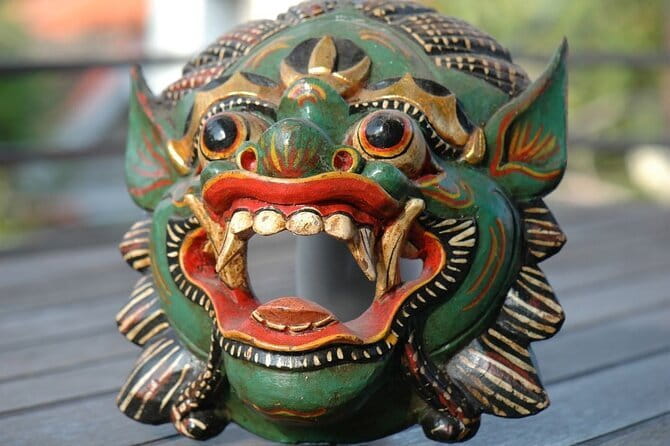
- Setia Darma House of Mask and Puppets as a fun culture break in Ubud
- Lunch, coffee/tea, and bottled water plus time to browse Ubud Art Market at the end
A private art-village route that saves you time
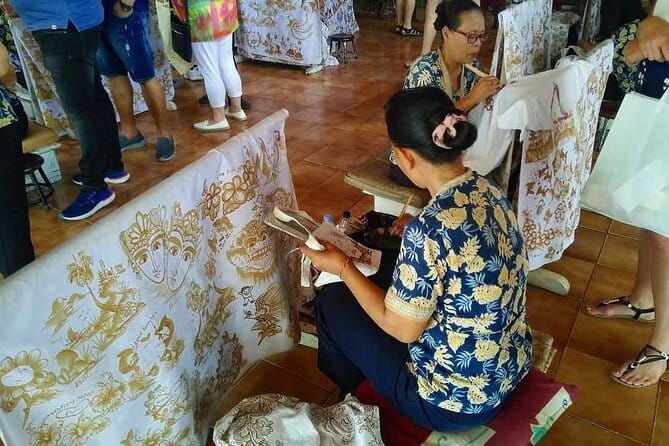
This is the kind of Ubud day trip that makes sense when you want “Bali arts” without turning your vacation into a driving project. You get a private vehicle and guide, and the route is designed to keep travel friction low—pickup, then several focused stops, then back to your starting point.
Because it’s private, you can move at a calmer pace than big group tours. You can also pause longer at the spots that catch your eye, which is handy when you’re trying to understand what you’re looking at (and what you might actually want to buy).
You can also read our reviews of more private tours in Seminyak



Price and logistics: what $79.99 per person covers
At $79.99 per person for a 5 to 6 hour private experience, the value is mostly about what’s included around the craft stops. You’re not just paying for transport; you also get bottled water all day, a restaurant lunch, coffee and/or tea, and the tour escort/host.
You’ll also have round-trip private transfer in an air-conditioned minivan, plus all fees and taxes. The big catch is simple: shopping isn’t included, so any souvenirs come out of your own budget.
There’s also a practical detail: you don’t need to figure out how tickets get handled. The tour uses a mobile ticket, and confirmation comes at booking, which takes some of the last-minute worry off your plate.
Batubulan batik: melted wax and the real dye process
Batubulan is where you start getting answers—what batik is, how it’s made, and why people care about the details. This area is known for batik workshops and traditional weaving, and the focus here is on how artists dye designs onto fabric using melted wax.
Expect to spend around an hour at the Batubulan stop. Admission is free for this first art-village visit, which helps keep costs down while you learn the basics.
Why this stop matters: batik is one of those crafts that can look similar in shops until you understand the process. Once you’ve seen how the wax-resist technique works, the finished patterns make more sense—and you’ll be better at spotting quality differences when you’re shopping later.
A small practical tip: batik workshops can involve heat and chemicals typical of the dye process, so plan on watching, asking questions, and keeping your hands to yourself unless you’re specifically invited to participate.
Celuk Village silver and gold: watching designs take shape

Next up is Celuk Village, famous for silversmiths and jewelers. This is where the day shifts from textile craft to metalwork, and you get to see how jewelry designs are created using local skills that are passed down through practice.
You’ll spend about an hour here, and the admission is included. The visit also includes a short workshop, so it’s not only observation—it’s a chance to learn how the artisans think about their work.
What I like about this stop: it’s a strong reality check for anyone who thinks jewelry is just bought and sold. You can see the effort behind the shine, and that helps you shop with more confidence if you decide to take something home.
One consideration: metalwork shops often have a lot on display at once. The guide’s interpretation is useful here, because it can help you separate marketing talk from practical info about materials and craftsmanship.
Mas wood carving: the styles you’ll notice later
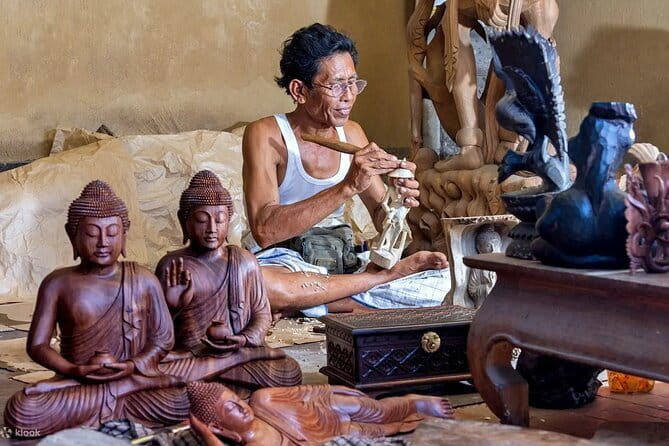
Mas Village is known for woodcarving, and this stop is built around meeting a woodcarver and seeing how carving becomes art. You’ll learn about the different types of wood used, and you can watch how the work is created step by step.
This is another stop that’s free in terms of admission. Plan on about an hour total, which is enough time to watch the carving process and ask questions without rushing out like you’re late for a train.
How to get more from Mas: don’t only look at the finished carvings. Watch for the consistency of the details—clean edges, carved depth, and how the artisan handles texture. If you decide to buy, your best move is to ask the guide to help you interpret what you’re being told about the piece.
Also, woodcarving areas can be busy with visitors. If you prefer quieter time, you’ll likely do best arriving with patience and taking a few minutes to slow down—your eyes adjust fast when you stop trying to take everything in at once.

Batuan traditional painting plus Setia Darma in Ubud
After wood carving, the route heads to Batuan, another art village known for traditional Balinese painting. Here you’ll explore with a visit to a famous painting artist in the area and see a workshop environment where the craft is created.
This stop is also about an hour, and admission is free. It’s a good contrast to wood carving: paint is more about layers and control, and the finished works often connect to the broader Balinese visual language.
Then the plan includes a cultural detour that many people end up loving: the Setia Darma House of Mask and Puppets in Ubud. The ticket is included, and you’ll spend about an hour at the museum.
Why this museum is a smart addition: masks and puppets are a different way into art. The collection includes masks and puppets from around Indonesia, with some pieces coming from China and Brazil. It’s a creative side trip that gives your brain a break from shopping and factory-like workshop viewing.
If your interest in Bali arts is broad—crafts, symbolism, storytelling—this stop helps connect the dots. It also gives you a less purchase-driven experience, which some people appreciate after several village visits.
Lunch break and Ubud Art Market: turning craft into souvenirs

A solid part of the value here is that the day doesn’t run on pure walking energy. You get a restaurant lunch, plus coffee and/or tea, and bottled water throughout the day. That matters because you’re visiting multiple sites back-to-back, and fatigue can hit faster than you expect in the heat.
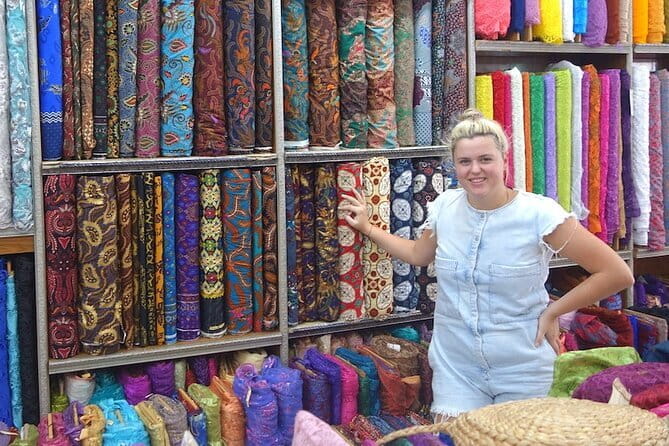
After the main art stops, the day wraps with a visit to Ubud Art Market. This is where you can track down the perfect souvenir based on what you’ve just seen.
Here’s the practical strategy I recommend: before you buy, take note of what you actually liked during the workshops. Was it the style of the batik pattern? The look of metalwork? The way carving depth changes the feel of a figure? Then use Ubud Art Market time to find something that matches that preference.
Also remember: shopping isn’t included, so the market is where the decision happens. If you’re the type who enjoys browsing but hates committing, you can still have a fun and relaxed final stop—just don’t promise yourself a big purchase on an empty stomach.
How the guide makes (or breaks) the day

In my experience, an art tour is only as good as the person translating what you’re seeing. This one leans into that with a tour escort/host who helps break through the language barrier.
I’ve seen guides called out by name for making the day flow smoothly. A guide named Parti has been praised for being flexible and for keeping the experience lively while you learn. Another driver-guide, Wayan Sudira, came up repeatedly for giving a special experience, and even when rain hit, spirits stayed high.
Even if your guide isn’t the same person, the lesson is the same: having someone on hand to interpret turns a “look and leave” tour into a real conversation. When you can ask questions—what’s being made, how long it takes, why certain designs matter—you end up shopping smarter or, at minimum, understanding what you’re passing by.
What you’ll likely enjoy most (and who should book)
This tour fits best if you want a curated art day that doesn’t require planning every turn. It’s also a strong choice if you’re staying near Seminyak and don’t want to wrestle with transport on your own.
You’ll probably love it if:
- You want to compare crafts in one day: batik, silver, carving, painting
- You prefer a private group where you can browse at your pace
- You value included comfort items like lunch, coffee/tea, and bottled water
- You like souvenir hunting but want context first
You might skip it if:
- You only want museum-style culture and not workshop viewing
- You hate shopping environments and want zero sales energy
- You plan to spend most of your day in your hotel lounging (this is a moving, active route)
One more consideration: wear shoes you can stand in for a few hours. You’re moving from village to village, and the value comes from actually spending time looking closely.
The shopping reality: how to avoid regrets
Let’s be honest: you’re surrounded by beautiful things, and it can be easy to overpay when you fall in love fast. Since shopping isn’t included, your best protection is a calm plan.
Before your final market stop, I suggest you set three limits in your head:
- A total budget
- A “one category only” rule (for example, only batik or only carvings)
- A maximum size or weight you’ll carry comfortably
Then use your guide to help you understand what you’re being offered. When the language barrier drops, you’re less likely to buy something you can’t explain to yourself later.
If it’s raining or humid, keep your expectations flexible too. Even with good routing, weather can slow things down. A light rain layer can save you from the “why does everything feel harder” mood.
Should you book this private Ubud art tour?
I’d book it if you want a high-effort, low-planning day that covers Bali’s craft highlights in a single sweep, with door-to-door transport and real comfort perks like lunch and bottled water. The best part is that you’re not only buying souvenirs—you’re seeing the process behind them.
Skip or choose another style of day if you’re after mostly hands-off sightseeing, or if the idea of visiting multiple craft villages feels stressful. Also, go in knowing that shopping is part of the structure even if you don’t have to buy anything.
If you want an art-focused day in Ubud that’s practical, guided, and paced for real viewing time, this route is a solid match.
FAQ
How long is the private Ubud art villages tour?
It runs about 5 to 6 hours.
What’s the price per person?
The price is $79.99 per person.
Do you get hotel pickup and drop-off?
Yes. The tour offers round-trip private transfer, picking you up and dropping you off at your hotel (or the port).
How many stops are included during the day?
The tour includes Batubulan, Celuk Village, Mas Village, Batuan, and the Setia Darma House of Mask and Puppets, with Ubud Art Market time at the end.
Is lunch included?
Yes. You’ll have a restaurant lunch as part of the experience.
Are bottled water and drinks included?
Yes. Bottled water is provided throughout the day, and coffee and/or tea are included.
Are admission tickets included for all stops?
Not all stops are the same: admission is free at Batubulan, Mas, and Batuan, while Celuk Village and Setia Darma are included.
Is this tour private or shared?
It’s private. Only your group participates.
Is shopping included in the tour price?
No. Shopping is not included.
What’s the cancellation policy?
You can cancel for free up to 24 hours in advance for a full refund. If you cancel less than 24 hours before the start time, the amount paid is not refunded.