REVIEW · BALI
Pure Bali Village Experience, Cooking & Jamu Class+VIP Transfer
Book on Viator →Operated by Balikaru · Bookable on Viator
A jamu and cooking class in real village Bali. This 8-hour Pure Bali Village Experience takes you from hotel pickup into the Batukaru mountain area, where you tour a 40+ plant herb garden and craft two types of jamu. I especially like the hands-on pace, and I love that the best parts are practical: you cook your lunch yourself at the live bamboo grill station.
Small group means you get time with your guide. You also get a full day feel, not a quick photo stop: Rindik instrument intro, lunch, rice planting help, stingless bees at Balikaru farm, a soft downhill walk, and a soak at Belulang hot spring (optional bath). One possible drawback: the start is early (7:30 am) and it depends on good weather for the day to run smoothly.
In This Review
- Key things I’d zoom in on
- Pure Bali Village Experience: what the day feels like
- Getting there early: pickup, scenic drive, and timing
- Rindik and the spice garden with 40+ plants
- Jamu Pavilion: craft two types of herbal tonics
- Paon Bali open-air kitchen: Sate Lilit and Lak Lak
- After lunch: planting rice, Balikaru farm, and a soft downhill trek
- Authentic village architecture and Asta Kosala house visits
- Belulang hot spring: optional bath and a calmer ending
- Price and logistics: is $89 actually good value?
- Who should book this Bali village day
- Should you book Pure Bali Village Experience with Cooking & Jamu?
- FAQ
- How long is the Pure Bali Village Experience?
- What time does the tour start?
- Is hotel pickup and drop-off included?
- How many people are in the group?
- Do I learn how to make jamu?
- Is lunch included, and do I cook it?
- What are Sate Lilit and Lak Lak?
- Is the hot spring bath included?
- What language is the guide?
- Are drinks included in the price?
Key things I’d zoom in on
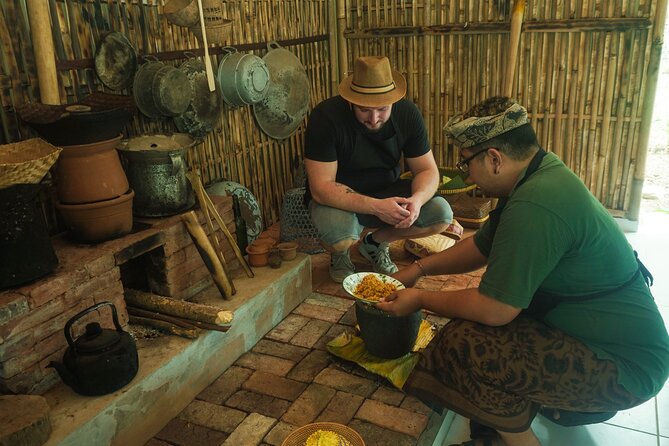
- Small group up to 12 keeps the jamu-making and cooking truly interactive
- Herb garden with 40+ plant varieties makes the jamu part feel grounded, not random
- Paon Bali open-air kitchen includes Sate Lilit at the live bamboo grill station
- Jamu Pavilion tasting of 2 types plus fruit tasting helps you compare flavors
- Balikaru farm + Trigona stingless bees adds a fun wildlife angle without leaving village life
- Belulang hot spring ends the day with a calmer, more spiritual finish
Pure Bali Village Experience: what the day feels like
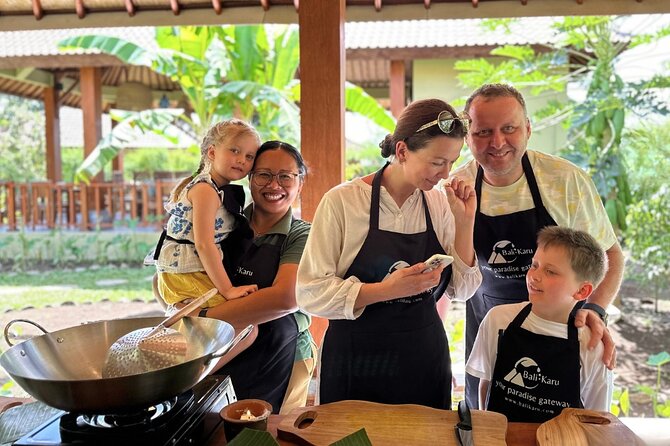
This tour is built around doing, not watching. You start with village context, then move into the stuff most Bali visitors miss: herbal tonics (jamu) and real cooking techniques you can repeat later. The rhythm is intentionally spread out—garden, pavilion, open-air kitchen, then farming and a final hot spring stop—so it never feels like you’re just rushing from one attraction to the next.
What I like most is the balance between education and play. You’re learning about herbs and local food traditions, but you’re also working stations (like cooking) and doing village activities that keep your hands busy. It’s a day where you’ll probably talk more than you take photos—then you’ll still have plenty of views from the mountain area and rice-growing surroundings.
You can also read our reviews of more tours and experiences in Bali.


Getting there early: pickup, scenic drive, and timing
Pickup is included, and you’ll head out by air-conditioned vehicle. The day starts at 7:30 am, so plan for an early alarm. That early start is a real benefit here: you beat the busier hours and get into the mountain region while the day feels fresh.
On the way, there’s a scenic drive with a photo stop. That’s useful because it gives you something to look at before you arrive, especially if your hotel is down in the busier lowlands. If you’re prone to morning grogginess, bring water and something light to nibble before pickup if your stomach needs it—your lunch later is part of the schedule, not a snack guarantee.
Rindik and the spice garden with 40+ plants
Before you get to the jamu and cooking, you get grounded in local culture. You’ll arrive in the mountain village and take a leisurely walk, then begin with an introduction to Rindik, a traditional Balinese instrument. It’s a short cultural entry point that helps the rest of the day make more sense.
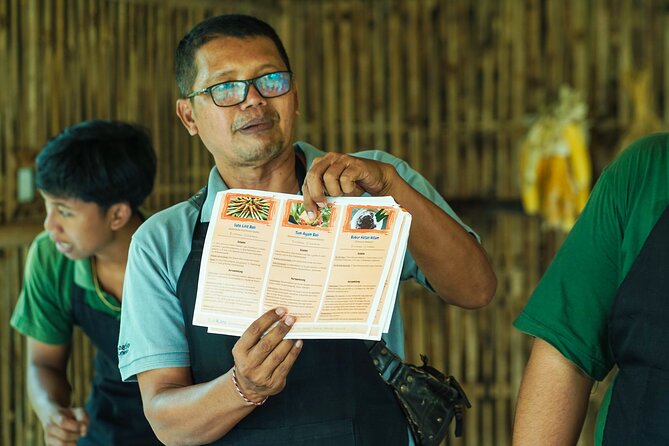
Next comes the herb and spice garden tour with over 40 varieties of plants. This is where the experience stops feeling like a generic cooking class. Instead of just listing ingredients, you’ll see the plants tied to the herbal tonic process. Even if you don’t remember every plant name, you’ll come away understanding that jamu isn’t a single recipe—it’s a practice shaped by what’s grown and used locally.
Practical tip: expect this to be outdoors, so light layers are a smart move. If it’s warm, you’ll still want something that won’t annoy you during walking.
Jamu Pavilion: craft two types of herbal tonics
At the Jamu Pavilion, you’ll craft and taste 2 types of jamu, plus you’ll have fruit tasting. This is the part many people skip because it sounds health-focused or complicated. In reality, it’s a hands-on food-and-flavor workshop.
The value here is in tasting and comparing. Jamu isn’t just one herbal drink; you’ll get to experience how different mixes can taste and feel different. Even if you’re not a huge “herbal” person at baseline, tasting them in the village context makes it easier to connect the drink to the plants you saw in the garden.
Also, your guide will walk you through what you’re doing. A small group size (max 12 travelers) matters here. You’re not stuck waiting your turn while someone else gets the attention.
Paon Bali open-air kitchen: Sate Lilit and Lak Lak
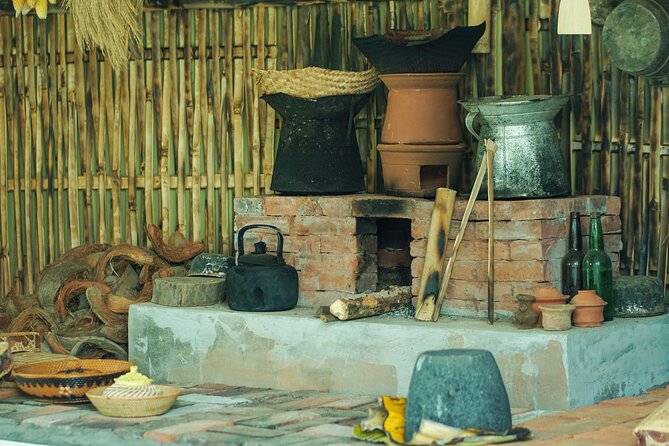
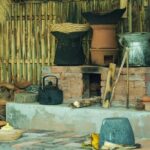
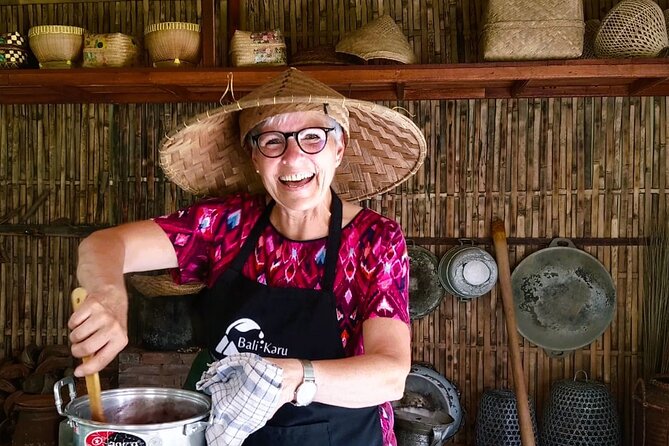
Then you move to Paon Bali, the open-air Bali kitchen. This is where the day gets very hands-on, because you cook an authentic Balinese meal with guidance from the chef. If you want more than a meal ticket, this is the section designed for you.
A standout station is the live bamboo grill setup for Sate Lilit. You’ll be part of the process, not just watching skewers appear. After the savory cooking, you’ll also learn to make Lak Lak, a dessert made using a traditional clay pot. That clay-pot detail matters because it signals technique, not just ingredients.
Lunch is included as Nasi Campur Tumping + dessert, cooked by you during the class. This is also one of the best value points in the day: you’re paying for a structured kitchen experience and then getting to eat what you made, instead of paying for “a class” that ends before you taste anything.
If you’re someone who always tries to copy meals after trips, this is the kind of class that sets you up for success. You’ll leave with skills you can recreate at home more easily than with a restaurant meal.




After lunch: planting rice, Balikaru farm, and a soft downhill trek
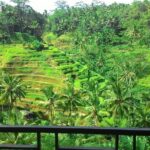
Once lunch settles, the tour turns toward village life and nature. You’ll have enough energy to help a farmer with planting rice. Even if you only do a small amount, it changes your perspective. It’s easy to see rice as a “field view” in Bali. This is different—you’re part of the work.
Then you visit the Balikaru farm with animals and stingless Trigona beehives. This is a nice break from the food focus without turning the day into a theme park stop. The stingless bees angle is memorable, and it fits the overall “village ecosystem” theme.
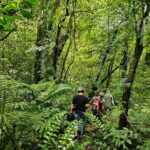
After that, there’s a soft trekking segment of about 30 minutes downhill. That’s short, but it’s still a real walk, likely on uneven paths. Wear shoes with grip and keep your phone protected. If you don’t love downhill walking, take your time and let your guide set the pace.
Authentic village architecture and Asta Kosala house visits
One of the more thoughtful stops comes after your village walk with mountain views. You’ll chat with locals and visit a traditional house to learn about Asta Kosala architecture, influenced by Balinese Feng Shui.
Even if architecture isn’t your thing, this adds a layer that cooking alone can’t provide. It helps you understand why village spaces are arranged the way they are, and why spirituality shows up in daily life. This is the “slow” part of the day, and it’s where you’ll likely notice small details you would otherwise miss.
You’ll also visit an authentic Balinese compound during this stretch. Think of it as a guided look at how a home base functions—not a staged set.
Belulang hot spring: optional bath and a calmer ending
The day ends at Belulang hot spring, described as sacred. The bath is optional, so you can choose based on your comfort level and time. Even if you skip the soak, the stop still gives you a chance to slow down after the active morning.
This finish pairs well with everything earlier. By the time you reach the spring, you’ve worked in the kitchen, tasted jamu, helped with rice planting, and walked downhill. The hot spring is a good “let your body catch up” moment.
If you do plan to bathe, bring a towel or at least plan for a quick dry-up afterward. Also, wear something easy to change out of, because hot springs days tend to involve water plus cool air.
Price and logistics: is $89 actually good value?
At $89 per person for a roughly 8-hour experience, you’re paying for a lot more than a single activity. The package includes:
- pickup and drop-off by air-conditioned vehicle
- scenic drive with photo stop
- Rindik intro
- herb & spice garden tour (40+ plant varieties)
- jamu crafting and tasting (2 jamu types + fruit tasting)
- cooking class at Paon Bali with chef guidance
- lunch you cook (Nasi Campur Tumping + dessert)
- rice planting help
- Balikaru farm with animals and stingless bees
- soft downhill trekking
- traditional house visit tied to Asta Kosala architecture
- Belulang hot spring (optional bath)
- farewell gift and a cooking certificate by email
What makes it feel like value is the mix. Many Bali cooking tours focus only on food. This one layers culture, herbs, farming, and the hot spring into one day, while keeping the group to a max of 12. That small-group size matters because you’re doing jamu and cooking at stations where attention is helpful.
The main “cost” beyond the ticket is personal expenses and drinks (not included), plus tips. Also, if your language needs don’t match English or German, there’s a surcharge for other languages—so check that early when booking.
Who should book this Bali village day
This tour is a strong fit if you want Bali beyond the standard checklist. You’ll like it if you enjoy food skills, herbal drinks, and cultural explanations that connect to daily village life. It’s also a good match for people who learn best by doing—especially if you like cooking enough to eat what you made and take ideas home.
It’s not the best choice if you want a purely relaxing day with zero walking. There’s a leisurely walk, plus a downhill trek segment, and the morning start time is early. It’s also worth expecting that most of the instruction will be in English or German.
If you’re traveling as a couple or small group, you’ll likely enjoy the format most, because the maximum group size keeps the day from feeling rushed.
Should you book Pure Bali Village Experience with Cooking & Jamu?
Yes, if your goal is hands-on Bali that feels real. You’re getting a full village day anchored in jamu, a chef-led kitchen experience at Paon Bali, a meal you cook yourself, plus a closing soak at Belulang hot spring. The $89 price starts to make sense once you tally the variety: herbs, cooking, farming activity, stingless bees, trekking, and cultural architecture stop.
I’d say consider it carefully if you hate early starts or if your schedule can’t flex around weather. The tour is noted as requiring good weather, and it’s built for that mountain setting. If you can handle a 7:30 am pickup and a short downhill walk, this is the kind of day that leaves you with skills, not just photos.
FAQ
How long is the Pure Bali Village Experience?
It runs about 8 hours.
What time does the tour start?
Start time is 7:30 am.
Is hotel pickup and drop-off included?
Yes. Pickup and drop-off are included, and you’ll travel by air-conditioned vehicle.
How many people are in the group?
The tour has a maximum of 12 travelers.
Do I learn how to make jamu?
Yes. You’ll craft and taste 2 types of jamu at the Jamu Pavilion, with fruit tasting as well.
Is lunch included, and do I cook it?
Lunch is included. You’ll cook your lunch during the cooking class at Paon Bali, including nasi campur tumping and dessert.
What are Sate Lilit and Lak Lak?
Sate Lilit is prepared at the live bamboo grill station during the cooking class. Lak Lak is a dessert you learn to make using a traditional clay pot.
Is the hot spring bath included?
Belulang hot spring is included, but the bath is optional.
What language is the guide?
The guide is English- or German-speaking, with a surcharge for other languages.
Are drinks included in the price?
No. Drinks are not included. Tips and personal expenses are also not included.