REVIEW · SEMINYAK
Skip The Line Tour: Uluwatu Temple and Kecak Fire Dance Tour – Half Day
Book on Viator →Operated by TripGuru · Bookable on Viator
Sunset at Uluwatu moves fast and looks big. This half-day tour pairs Uluwatu Temple with the Kecak & Fire Dance, so you get the cliffside setting plus the story behind Bali’s most famous fire-and-chant performance—without the usual scramble.
I love the practical flow: temple first, then you’re guided into the amphitheatre area for the show, with air-conditioned pickup/drop-off options from Seminyak. I also like that you’re not doing it solo—there’s an English-speaking guide and a chance for small-group (maximum 5) attention.
One heads-up: this is a sunset crowd experience. If you hate being shoulder-to-shoulder or standing in heat before the performance, you’ll feel it—especially with the strict dress code and the nearby monkey situation.
In This Review
- Key things to know before you go
- How the 4:00 pm schedule turns traffic into a sunset win
- Uluwatu Temple: cliffs, history, and the view you came for
- The Kecak & Fire Dance: the chant orchestra and why the seats matter
- “Skip-the-line” in real life: what you gain (and what you still can’t avoid)
- Guides can make or break Uluwatu (and this tour attracts the good ones)
- Dress code and monkey safety: the two rules that actually affect your fun
- Price and value: why $32 can feel fair here
- Who this tour suits best (and who should choose another plan)
- Should you book the Uluwatu Temple and Kecak Fire Dance half-day?
- FAQ
- What time does the tour start?
- How long is the experience?
- Is hotel pickup and drop-off included?
- Does the price include the entrance tickets?
- What dress code should I follow?
- Are there monkeys at Uluwatu?
- Do I need to queue for tickets?
- Can I cancel for free?
Key things to know before you go
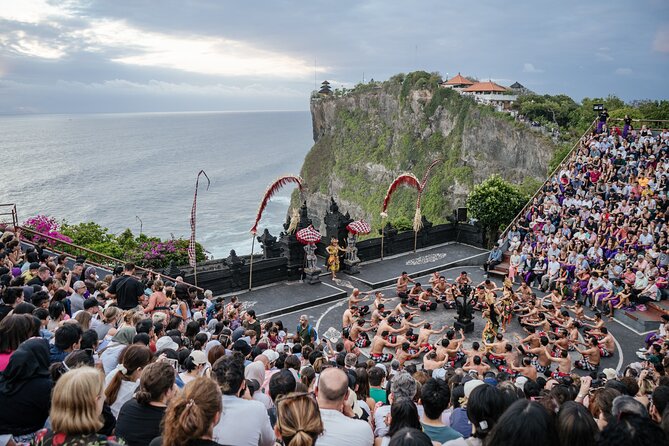
- Uluwatu Temple at the cliff edge: A temple perched about 70 meters above sea level, part of Bali’s key temple system
- Kecak is built on human voices: Watch the beat-boxing, chant-driven orchestra that powers the storytelling
- Sunset timing is the whole point: The show is framed by crashing surf and the shifting light
- Small group size: Maximum of 5 travelers, which usually means more room to ask questions
- Dress code is strict: Shoulders/underarms/back/knees must be covered—bring a sarong/scarf/sweater
- Monkeys roam the area: Keep a close grip on bags, phones, and cameras
How the 4:00 pm schedule turns traffic into a sunset win
This tour is built around a late-afternoon start, usually 4:00 pm. That timing matters in Bali. It gives you daylight for Uluwatu Temple photos, then lines you up for the performance when the light goes dramatic and the air cools off a bit.
You’ll ride in an air-conditioned vehicle with pickup and drop-off available from Seminyak (if you select that option). Because it’s a short half day, the day feels efficient. You’re not committing to an all-day circuit—just the two big emotional hits: temple views and a sunset show.
Still, don’t expect “no crowds.” Uluwatu is popular. The tour’s strength is that it helps you avoid the worst ticket chaos, not that it makes the amphitheatre empty.
You can also read our reviews of more tours and experiences in Seminyak.



Uluwatu Temple: cliffs, history, and the view you came for
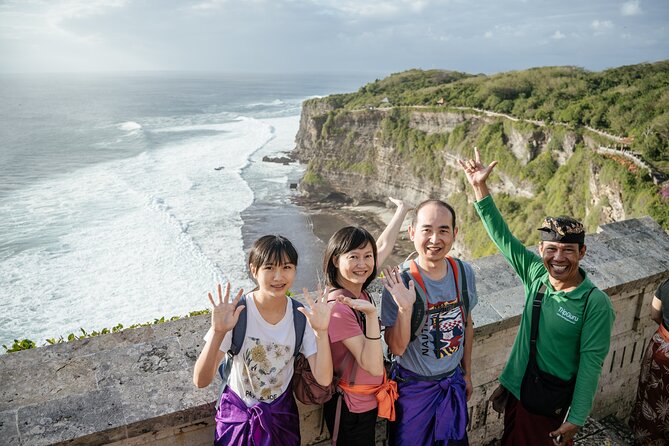
Uluwatu Temple sits about 70 meters above sea level, and it shows. Even before you learn the details, you’ll feel why this place matters: the setting is dramatic, and the temple grounds are made for wandering with your eyes up and out.
This stop is guided, which helps you read what you’re looking at instead of just snapping photos and moving on. You’ll get context on why the site is considered one of Bali’s six key temples and a spiritual pillar of the island. Then you’ll have time to explore the grounds on your own.
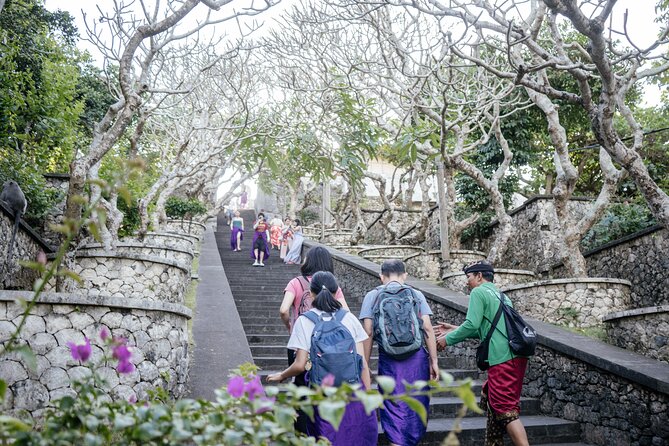
Practical photo note: bring a phone/camera strap if you can. Reviews and on-site reality both point to the same issue—monkeys hang around the temple area. They’re curious and fast. The safest plan is simple: keep items secure, avoid dangling bags, and be ready to cover your camera gear if one gets too interested.
Also, wear footwear you trust. The temple area involves walking on uneven surfaces. If you’re thinking flip-flops, rethink them.
The Kecak & Fire Dance: the chant orchestra and why the seats matter
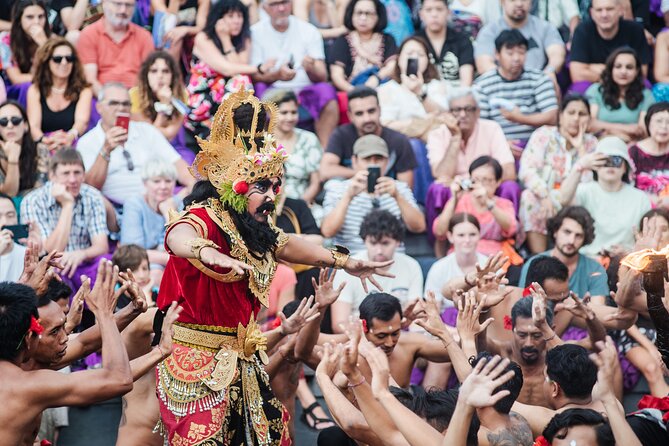
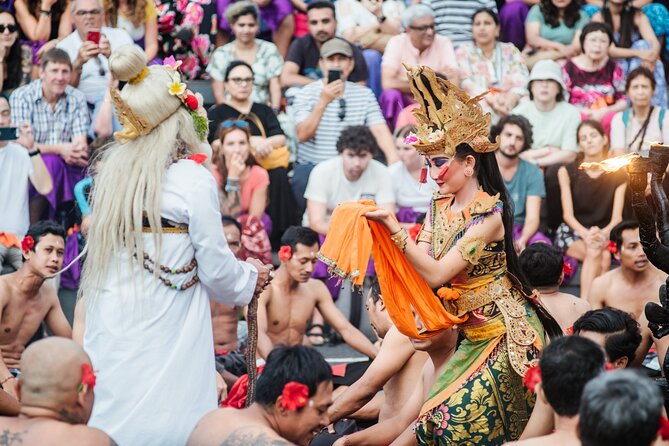
After the temple, you head to the open-air amphitheatre for Kecak & Fire Dance. The performance is traditional Balinese dance and storytelling, powered by song, dance, and narrative—along with an orchestra of human voices. It’s not background entertainment. It’s the whole engine.
Here’s what makes it memorable: the choreography and chanting build momentum, and the amphitheatre setting amplifies everything. You’ll watch performers with the sunset behind them, while the ocean keeps crashing far below. That contrast—human drama against cliffside nature—is exactly why this show has stayed famous.
Seat placement can change your experience. A few guides have been specifically praised for helping people get good viewing positions, which matters because the show is staged around the amphitheatre space and you’ll be sitting or standing while it happens. If you care about photos, you’ll also want a stable angle and less obstruction.
Timing feels tight in a good way. You’re not going to a long, drawn-out show. You’re moving from temple meaning into performance energy while the sky is doing its thing.
“Skip-the-line” in real life: what you gain (and what you still can’t avoid)

This tour is sold as a skip-the-line style package, meaning it’s designed to help you enter the temple and the show without the ticket wait that can drag on at busy Uluwatu times.
But here’s the honest expectation you should set: you still share the space with other people. Even when tickets are handled, you can still encounter crowds at entry points and during show arrival. One of the biggest time-savers is that you spend less of your precious sunset window dealing with payment counters and ticket lines.
So think of it like this:
- You’re reducing stress around ticket logistics
- You’re still going to experience the amphitheatre crowd vibe
- Your main “win” is more time for the show and less time stuck managing paperwork
If you’re going to Uluwatu for sunset photos, that’s a very real benefit.
Guides can make or break Uluwatu (and this tour attracts the good ones)
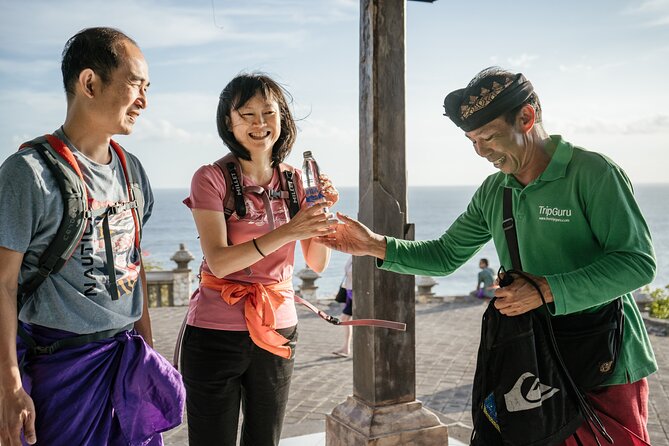
You get an English-speaking guide, and that matters more than people think at Uluwatu. The site isn’t just scenic—it has rules, meaning, and little practical hurdles (monkeys, dress code, where to stand, and how to pace your walking).
In particular, the guides mentioned by name in past experiences show a pattern:
- Kadek Oka has been praised for friendly, careful guidance and helping with monkey encounters
- Donald and Dewa have been called out for punctuality, clear explanations, and navigating where to go
- Santika, Gede Yogi, Eddy, Komang, Suru, Topan, and Gusti also appear in positive feedback tied to making the experience smoother
- Some people specifically noted that the guide helped them find good seating for the show
Even if you don’t get one of those exact names, the value is the same: you’re not guessing. You’re following someone who knows how to keep the flow moving so you don’t waste your limited time.
This is also where a small group (max 5) helps. You get more chances to ask direct questions, and you’re less likely to feel like you’re being pushed along on a big bus schedule.



Dress code and monkey safety: the two rules that actually affect your fun
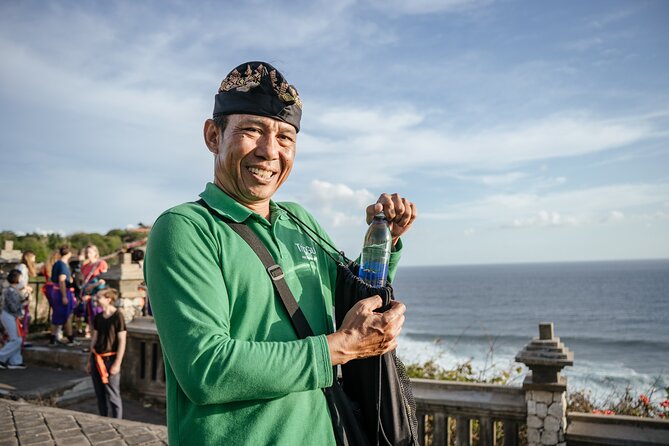
This tour enforces a strict dress code. Clothes revealing shoulders, underarms, back, and knees aren’t allowed. It’s not a polite suggestion.
Bring something that solves it fast:
- a sarong
- a scarf
- a sweater (or any cover-up that fits the rules)
You’ll also want to plan for the fact that monkeys are in the vicinity. That means watching your possessions closely—especially phones, camera straps, and bags that can be grabbed or tugged.
A simple strategy that works:
- keep valuables zipped and close
- avoid holding food or anything tempting in open view
- keep camera gear secured when you pause to take photos
If you go in prepared, you’ll spend your mental energy on the temple and the dance. If you don’t, you’ll spend it reacting.
Price and value: why $32 can feel fair here
At $32 per person, this tour can be a good deal because key costs are handled for you.
Included items:
- Uluwatu Temple entrance fee (listed as IDR 60K)
- Dance performance fee (listed as IDR 150K)
- hotel pickup and drop-off if selected
- air-conditioned vehicle
- English-speaking guide
- bottled water
- insurance
Not included:
- meals
- personal expenses
The value angle is that you’re paying for more than a seat. You’re paying for a guided, time-managed way to do two major attractions without the extra effort of coordinating tickets and transport on your own.
Also, your half-day window is protected. At sunset, small delays compound quickly. Having pickup, a guide, and entrance fees organized is what keeps the experience feeling calm and on time.
If you already know how to handle Bali logistics and you love crowds, you might do it independently. But if you want the sunset to go smoothly, the package makes sense.
Who this tour suits best (and who should choose another plan)
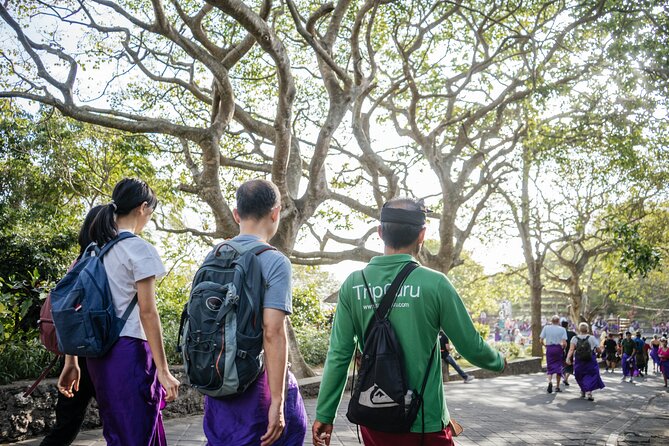
This works well if you:
- want a guided introduction to Uluwatu Temple meaning
- care about timing for the sunset Kecak & Fire Dance
- prefer a small group rather than a large, chaotic crowd
- would rather pay for handled entry fees than manage tickets and transport
It may not be ideal if you:
- hate standing or sitting in packed amphitheatres
- get stressed by strict dress rules and quick cover-ups
- dislike the idea of dealing with monkeys near tourist areas (you can manage it, but it’s part of the reality)
If your goal is purely scenic wandering with zero structure, you might prefer a DIY approach. But if you want the two biggest experiences in one efficient afternoon, this tour fits the bill.
Should you book the Uluwatu Temple and Kecak Fire Dance half-day?
Yes—if you want a smart sunset plan with guided temple context and help getting to the performance without ticket stress. The main reasons to book are simple: the temple + Kecak in one block of time, included entrance fees, air-conditioned pickup options, and a small-group feel.
Just book with clear expectations. This is still Uluwatu at sunset: expect crowds, dress code checks, and monkeys in the area. If you prepare for those two realities, you’ll walk away with exactly what you came for—cliff views, temple atmosphere, and a Kecak performance that hits hard when the sky turns.
FAQ
What time does the tour start?
The tour start time is 4:00 pm.
How long is the experience?
It runs for about 5 hours (approx.).
Is hotel pickup and drop-off included?
Hotel pick-up and drop-off is included if you select that option.
Does the price include the entrance tickets?
Yes. Entrance fees are included: Uluwatu Temple IDR 60K and dance performance IDR 150K.
What dress code should I follow?
You must cover shoulders, underarms, back, and knees. Revealing clothing isn’t allowed. Bring a sarong/scarf/sweater or wear clothes that fit the rules.
Are there monkeys at Uluwatu?
Yes. You should watch your possessions because monkeys are in the vicinity and may interact with items.
Do I need to queue for tickets?
This is designed as a skip-the-line package to help you enter without waiting for tickets.
Can I cancel for free?
Yes. You can cancel for a full refund up to 24 hours before the experience starts.