REVIEW · SEMINYAK
Snorkeling Day Trip To Lembongan and Penida
Book on Viator →Operated by Lembongan watersport · Bookable on Viator
This is a full-on day in clear tropical water.
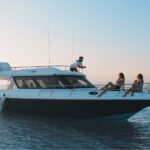
You’ll snorkel three reef stops around Nusa Lembongan and Nusa Penida, usually aiming for manta country, plus you get kayaking through mangroves at the end. The day runs from a speedboat-style outing with organized gear support, then a calmer finish on the waterway.
I especially like the built-in rhythm: snacks and gear setup at the Lembongan base, then a big buffet lunch back at base. You also get snorkeling equipment and a structured plan that changes based on weather, so you aren’t stuck waiting around.
The main drawback is simple: manta sightings are never guaranteed, and conditions (wind and chop) can make the first snorkeling stop feel like a lot. Also, this isn’t a casual float—your body needs a moderate fitness level, and it’s not suitable for non-swimmers or people with certain health conditions.
In This Review
- Key things I’d bank on before you go
- Snorkeling Between Lembongan and Penida: What the Day Really Feels Like
- Price and Value: What $35-ish Buys You (and What It Doesn’t)
- Pickup, Meeting Points, and Why Timing Matters
- Serangan Port Check-In: Quick Start, No Thrills
- Lembongan Base: Snacks, Gear Fitting, Lunch, and Showers
- The Three Snorkel Spots: Manta Bay Priority and Reef Time
- Stop style: one day, three reef moods
- What you’re really looking for at each kind of site
- A quick reality check on sea conditions
- Mangrove Point Kayaking: The Quiet Win at the End
- Safety Rules, Risk Form, and Who Should Think Twice
- Crowd Levels and Manta Timing: The Tradeoff You Can’t Avoid
- What to Pack: Small Stuff That Makes a Big Difference
- Who This Tour Fits Best (and Who It Doesn’t)
- Should You Book This Snorkeling and Kayaking Day Trip?
- FAQ
- How long is the snorkeling and kayaking day trip?
- Where do I meet for the tour if I’m starting from Bali Mainland?
- What’s included in the price?
- Is manta ray viewing guaranteed?
- What snorkeling locations are visited?
- Are there extra fees on top of the tour price?
- Does the tour require prior snorkeling experience?
- What are the health and age limits?
- What about cancellation?
Key things I’d bank on before you go
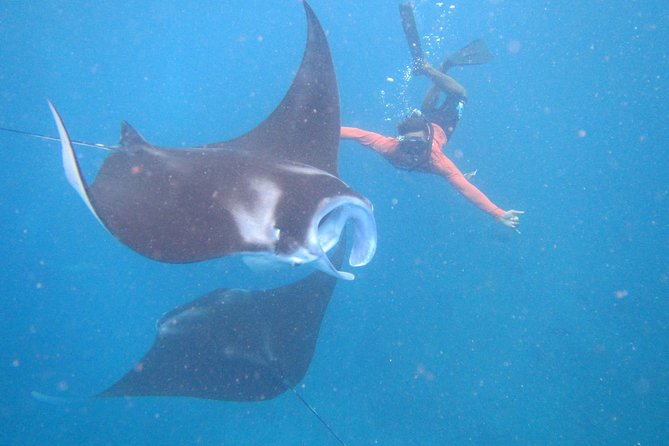
- Three snorkeling stops between Lembongan and Penida, with a manta-focused priority when conditions allow
- Gear + towels + lockers included, plus showers at the base
- Buffet lunch and bottled water so you can fuel up before the next water session
- Mangrove kayaking as the calm finale, not just another snorkeling block
- Marine park/government fees are on you, even though the tour price covers most of the day
Snorkeling Between Lembongan and Penida: What the Day Really Feels Like
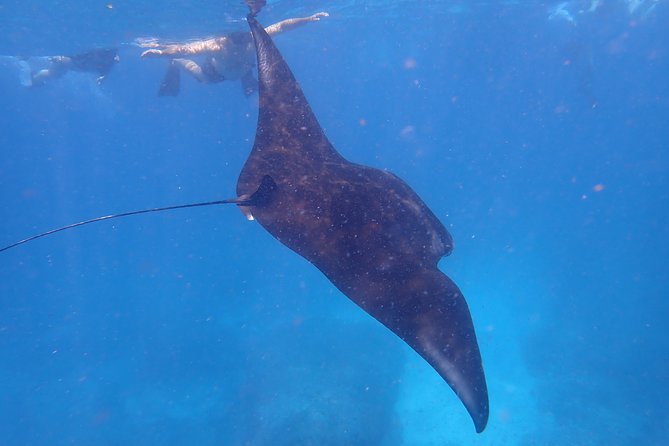
This tour is designed for people who want maximum ocean time without having to plan boats, schedules, and sites. You’ll start on Bali’s south side area logistics, then head to the fast part: the reef stops. The vibe is organized and upbeat, but it still feels like real island water—some days smooth, some days choppy.
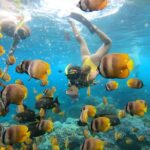
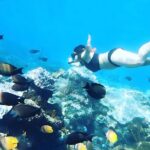
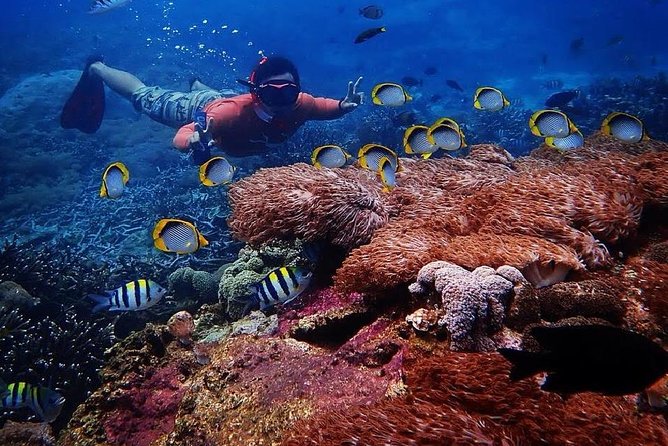
The snorkeling part is the headline. You’ll hit three different locations around Nusa Lembongan and Nusa Penida, with names like Manta Bay/Manta Point, Crystal Bay, Gamat Bay, and Mangrove Point mentioned as the typical targets. The exact order and choice of site can shift with the water and weather, especially for manta areas.
Then you get a change of pace. After lunch, there’s kayaking through mangroves. That’s a nice contrast if you’re tired of cold, salt-heavy gear time and want something slower and quieter before you head back.
You can also read our reviews of more snorkeling tours in Seminyak

Price and Value: What $35-ish Buys You (and What It Doesn’t)
The listed price is $35.27 per person, and it’s packed with the stuff that usually adds up fast: transport to the main departure points, snorkeling equipment, buffet lunch, bottled water, and kayaking.
But you should budget for the items that are clearly not included:
- Government fees: IDR 100,000 per person
- Marine park fees (also noted as at your expense)
- Underwater photos/videos (sold separately)
- Alcoholic drinks (purchase on site)
- A pickup surcharge if you’re coming from farther-out areas (example: Ubud, Canggu, Uluwatu, Pecatu, Bingin, Balangan, Melasti, South Nusa Dua)
For most people, the value is solid because the tour covers the daily “heavy lifting” parts: gear, lunch, and the structured plan across islands. If you were to DIY it, you’d still pay for a boat, reef time, and food—plus you’d add risk and stress.
Pickup, Meeting Points, and Why Timing Matters
This is one of those tours where logistics matter more than you think. You can start from different places, including meeting at the port in Serangan or using hotel pickup options depending on where you’re staying.
Here’s the practical way it works:
- If you start from Bali Mainland, the meeting point is Serangan Port (Warung Osaka Yakiniku).
- The “Lembongan watersport” base is your hub for fitting gear, snacks, lunch, and the end-of-day return.
- If you book a pickup option, you’ll be dropped back after the tour. If you choose the meeting-point option, the tour can end at the port after the last segment.
The day is listed as about 9 hours. In real life, that means you’ll spend a chunk of time on transfers, then you’ll get concentrated snorkeling sessions. Bring snacks if you’re the type who gets hungry fast. The tour does include food, but you’ll still have waiting time built into island hopping.
Serangan Port Check-In: Quick Start, No Thrills
If your day begins at Serangan Port (Warung Osaka Yakiniku), expect a quick meeting-and-departure style start. This stop is short, about 40 minutes, and it’s mostly about getting people grouped and moving toward the next base.
It’s useful because it keeps the rest of the plan from turning into chaos. If you want a smooth day, arriving early for this port stage helps a lot. Don’t plan a tight schedule right before—Bali traffic and ferry timing can be sneaky.
Lembongan Base: Snacks, Gear Fitting, Lunch, and Showers
This is the tour’s comfort zone. Once you arrive at the Lembongan watersport base, you’ll get:
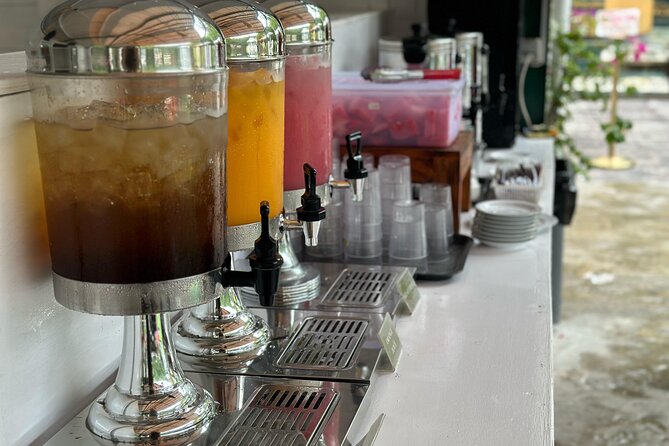
- complementary snacks and welcome drinks
- gear fitting for snorkeling
- towels and lockers
- a real buffet lunch back at the restaurant
- showers before you head into the final activity
Why this matters: snorkeling days fail when people are under-prepared. Here, you’re not just handed a mask and sent off. You’ll have time to get ready properly, and you’ll have somewhere to reset before the next water stage.
Lunch is a buffet, and it’s one of the more loved parts of the day. You’ll also get bottled water during the tour, which is a lifesaver in the heat.
You can also read our reviews of more tours and experiences in Seminyak

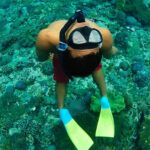
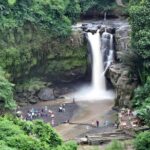
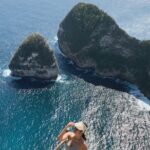
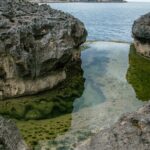
The Three Snorkel Spots: Manta Bay Priority and Reef Time
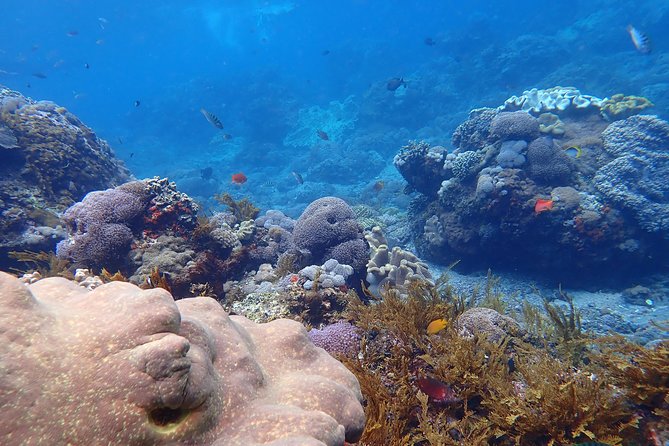
This is where you’ll feel the biggest swing between a great day and a “still awesome but no manta” day.
Stop style: one day, three reef moods
You snorkel three times, with time at each reef site. The priority order is weather dependent:
- Manta Point/Manta Bay if conditions are good
- then typically a wall/reef area such as Toyapakeh wall and Gamat Bay
- and later Mangrove Point as a final snorkeling area before the kayaking segment
What you’re really looking for at each kind of site
- Manta areas (Manta Point/Manta Bay): This is the star target. You’re hoping for manta rays, but it’s not a guarantee. When weather is rough, it can feel crowded and intense when many people jump in at once—so keep your expectations flexible.
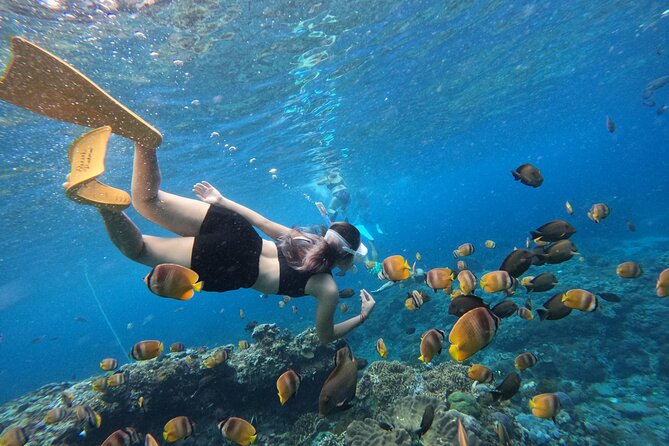
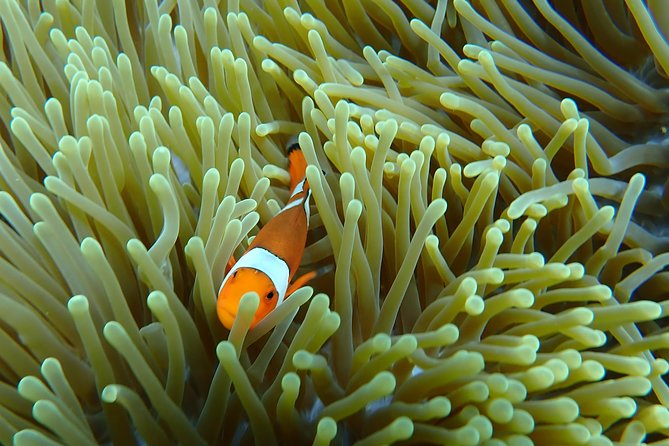
- Reef and wall areas (like Toyapakeh wall/Gamat Bay): This is your steady plan B. These spots are about coral structure and fish life, so even without mantas, you can still get strong snorkeling results.
- Mangrove Point: Expect calmer, shallower-feeling scenery compared to open-water manta chasing, plus a different sense of place since it connects visually to the mangrove ecosystem you’ll kayak later.
A quick reality check on sea conditions
One pattern from real-world snorkeling days in this area: the first manta-focused water can be the roughest. If you’re prone to seasickness, be smart. Bring seasickness tools if you use them, and don’t skip sunscreen—even when it looks cloudy.
Mangrove Point Kayaking: The Quiet Win at the End
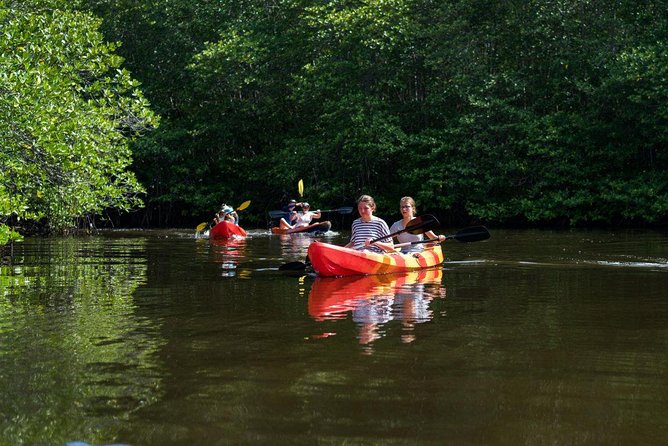
After snorkeling and lunch, the day ends with kayaking through the mangroves. This is not a long grind across open water. It’s a 30-minute paddle that gives you something different: slower movement, a calmer pace, and a chance to enjoy the environment beyond reef watching.
It’s a good choice if you want a final activity that doesn’t require intense breathing-room like snorkeling sometimes does. If you’re tired, you’ll still get value here because the route is built for the group.
One more practical tip: if you’re new to kayaking, go easy on your first minutes. Your steering will improve once you find your rhythm. And if you’re traveling with kids or less-confident paddlers, choose a seat/position that gives them stable control.
Safety Rules, Risk Form, and Who Should Think Twice

This tour takes safety seriously on paper and in practice, but it’s still water with real risk. The tour requires:
- signing a special risk form / liability waiver
- an assumption of moderate physical fitness
- and swimming ability (it is not suitable for non-swimmers)
It’s also not recommended if you have:
- heart problems
- respiratory problems or asthma
- epilepsy
- high or low blood pressure
- chronic illness
- mobility impairments
Insurance coverage is limited to ages 10–64. If you’re outside that range, you may be denied entry. That’s a big deal, so check it early rather than at the dock.
What I’d do as your fellow reality-check friend: if any of those health items apply to you, skip this exact trip and look for a different water experience that fits your needs better.
Crowd Levels and Manta Timing: The Tradeoff You Can’t Avoid
The manta priority is a major reason people book this tour. The tradeoff is that manta sites can get busy. When the group enters the water together and many people are focused on the same animals, it can feel rushed and visually chaotic.
So here’s how to make the best of it:
- Expect a “manta chance” moment, not a guaranteed manta appointment.
- Focus on what the reef and fish are doing between manta passes.
- Keep your breathing steady. Don’t fight the water.
The good news: even if the manta moment doesn’t deliver, the reef-focused stops usually still give plenty to see.
What to Pack: Small Stuff That Makes a Big Difference
The tour provides snorkeling equipment, towels, lockers, and bottled water. Still, you’ll want your own comfort items:
- Sunscreen (the area is strong sun and reflection)
- A rash-guard or swim shirt if you burn easily
- A dry bag for your phone and valuables
- Reef-safe anti-chafe if you’re prone to rubbing
- Motion-sickness support if you know you get it
Wear swimwear under your clothes. You’ll change and move around the base area, and having a simple setup makes everything smoother.
Who This Tour Fits Best (and Who It Doesn’t)
This is a great fit if you:
- want three snorkeling sessions in one day without planning transfers yourself
- enjoy marine life variety: reefs, coral structure, and the chance for manta rays
- like a structured schedule with food included
- want a calmer ending via mangrove kayaking
It’s not a fit if you:
- can’t swim or aren’t comfortable in open-water conditions
- have the listed health issues (respiratory, heart, epilepsy, blood pressure problems, chronic illness)
- need mobility-friendly accommodations beyond what a standard snorkeling day offers
- are outside the 10–64 insurance coverage range
If you’re traveling as a family, this can still work, but only if everyone meets the swim and fitness expectations and you’re prepared for group logistics.
Should You Book This Snorkeling and Kayaking Day Trip?
I’d book it if your top goal is reef time plus the chance to see manta rays, and you’re ready for island-day variability (weather, sea state, and crowd flow). The value is strong because you’re not paying extra for gear, lunch, or kayaking, and the base setup (snacks, showers, lockers) makes it feel more like a real day plan than a last-minute scramble.
I’d skip it if you’re a non-swimmer, have sensitive medical conditions, or your dream is guaranteed manta visibility in calm water. This tour prioritizes manta when conditions allow, but it doesn’t promise sightings.
If you’re on the fence, my decision tip is this: treat it as a reef-and-marine-life day with a manta bonus, not a guaranteed manta hunt. When you set that expectation, the day is usually exactly the kind of efficient, memorable Bali water experience you came for.
FAQ
How long is the snorkeling and kayaking day trip?
It runs for about 9 hours.
Where do I meet for the tour if I’m starting from Bali Mainland?
You meet at Serangan Port (Warung Osaka Yakiniku) for the Bali Mainland starting option.
What’s included in the price?
You get snorkeling equipment, buffet lunch, kayaking, bottled water, towels, lockers, and hotel pickup/drop-off (including transfers from Bali Mainland for the Bali starting option).
Is manta ray viewing guaranteed?
No. The manta area is prioritized when weather is good, but it depends on conditions that day.
What snorkeling locations are visited?
The plan can include sites such as Manta Bay/Manta Point, Crystal Bay, Gamat Bay, and Mangrove Point, plus a reef/wall area like Toyapakeh wall, depending on conditions.
Are there extra fees on top of the tour price?
Yes. You should budget for government fees (IDR 100,000 per person) and additional marine park fees, plus optional underwater photos/videos and alcoholic drinks.
Does the tour require prior snorkeling experience?
No experience is necessary.
What are the health and age limits?
The tour requires moderate physical fitness and is not suitable for non-swimmers or people with specific health conditions (like heart/respiratory issues, asthma, epilepsy, and blood pressure problems). Insurance covers ages 10–64, and people outside that range can be denied entry.
What about cancellation?
You can cancel up to 24 hours in advance for a full refund. Canceling less than 24 hours before the experience start time is not refundable.