REVIEW · KUTA
Stargazing Under the Bali Skies
Book on Viator →Operated by AstroBali - Stargazing Experience · Bookable on Viator
Bali turns the sky into a classroom. This private stargazing session at Munggu Beach pairs cozy beach vibes with real astronomy, so you’re not just staring up, you’re learning as the sky reveals targets like Saturn’s rings and Moon craters. You’ll also have time to ask questions all night, guided by a team that feels friendly and practical, with hosts like Gabs and Donny who know how to explain without making you feel behind.
What I like most is the hands-on focus. You get to use multiple instruments (not just one big telescope), including binoculars, a spotting scope, and even a smart astrophotography camera, so the night becomes something you can repeat later. I also love the small, thoughtful touches: warm coffee brewing under the stars, plus a starmap, an astronomy pocket guide, and surprise goodies you take home.
One thing to keep in mind: good weather matters. The tour is dependent on conditions, so if clouds roll in, what you see can change.
In This Review
- Key highlights worth your attention
- Stargazing Under Bali Skies: The vibe at Munggu Beach
- What you’ll see overhead (and what changes with weather)
- Coffee, starmaps, and the science-with-stories approach
- Hands-on with telescopes: what “beginner-friendly” means here
- The 20-minute photography session: getting real captures
- Private pacing in a group up to five
- Price and value: is $191.49 per group a fair deal?
- Where it fits in your Bali itinerary
- Who should book this stargazing night
- Should you book Stargazing Under the Bali Skies?
- FAQ
- Where does the tour start?
- What time does it start?
- How long is the stargazing session?
- Is it private or shared with other groups?
- What’s included in the experience?
- Do I need any astronomy knowledge beforehand?
- Is the experience dependent on weather?
- What’s the cancellation policy?
Key highlights worth your attention
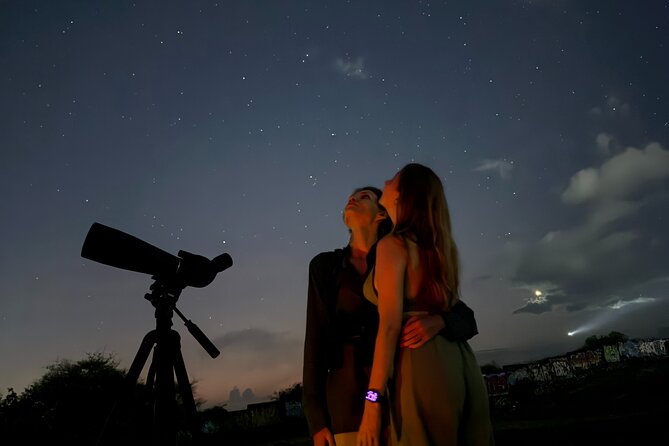
- Private and beginner-friendly: just your group, with guidance that works even if you know zero astronomy
- Real telescope variety: high-quality telescopes plus binoculars and a spotting scope, so you compare views
- Moon, Saturn, Jupiter, and more (weather-dependent): the sky targets shift based on conditions
- Coffee under the stars: warm drinks to keep the night comfortable
- Photography time included: 20 minutes of documentation to capture what you see
- Local village support: part of your booking supports Munggu Village
Stargazing Under Bali Skies: The vibe at Munggu Beach
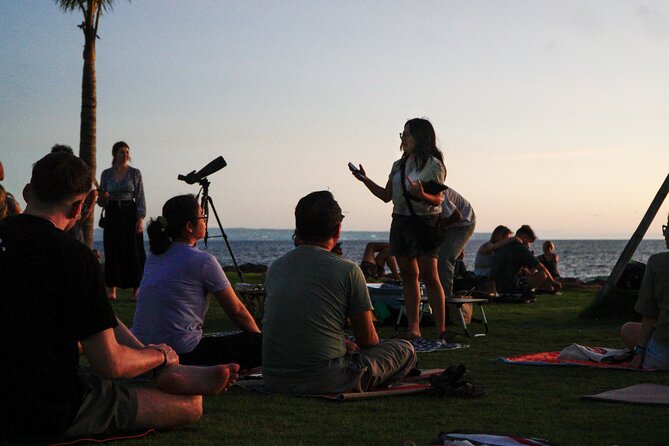
This experience starts where Bali nights feel honest and open. You meet at Munggu Beach Sea, Bali, and you’ll begin around 6:30 pm, when the light fades but the air still feels comfortable. The timing matters: too early and the sky won’t cooperate; too late and you’ll be chilly before anything sharp shows up.
Once you’re there, you don’t get a rushed lecture. You get a calm setup where you can look up, ask questions, and settle into the rhythm of the sky. The goal is to feel connected, not lectured at. That might sound like marketing, but the structure backs it up: you move through constellations and sky stories, then you shift into telescope viewing and hands-on practice.
Because it’s private for up to five people, you can actually keep pace with the guide. In a group tour, you often spend half your time waiting your turn to look. Here, the pace is controlled by your group’s curiosity—whether you want a quick look at Saturn’s rings or you want to ask why Jupiter’s moons behave the way they do.
You can also read our reviews of more tours and experiences in Kuta.

What you’ll see overhead (and what changes with weather)
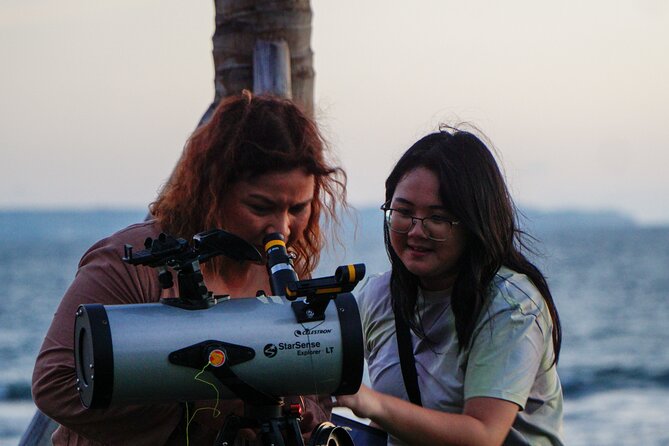
The star targets are the fun part, and you’ll get several, but the exact order depends on conditions. The night is designed around the big “wow” objects most people hope for, plus a mix of constellations and sky features that help you build a mental map of the sky.
Here are the kinds of things you can expect:
- The Moon’s craters: even with beginner gear, the Moon can look surprisingly textured when conditions are right.
- Saturn’s rings: if the sky is clear and the guide has you at the right moment, this is often the centerpiece.
- Jupiter’s moons: you’ll likely hear practical explanations tied to what you’re actually seeing, not just a trivia list.
- Constellations and other sky sights: you’ll be oriented so you can recognize patterns, not just single objects.
A small bonus from the atmosphere: you might catch something transient, like shooting stars. On clear nights, that kind of surprise is part of why stargazing feels different than watching a video. Just don’t build your whole trip around it. The dependable plan is the telescope viewing and the guidance.
Also, don’t expect every telescope to show the same thing. One piece of the tour magic is that you compare views through different equipment. That’s how you learn that the sky isn’t just one image—it’s a stack of experiences depending on optics, magnification, and how steady the night is.
Coffee, starmaps, and the science-with-stories approach
I like astronomy most when it comes with context. This tour leans into that. Before you start hunting for objects, you’re guided through the “where am I looking?” part with a starmap and explanations that help you build your own sky awareness.
Then you connect the dots between what you see and why it matters. The guide shares sky stories—real, human explanations for the way we’ve learned the universe over time. The best part is the tone: it feels like questions are welcome. If you’ve got a weird curiosity (and most people do), you’ll get space for it.
And yes, there’s coffee. Warm coffee brewed under the stars does two things: it keeps you comfortable, and it makes the night feel like an event rather than a strict activity. Instead of shivering through an educational program, you get to relax while you learn.
The take-home materials help the learning stick. You get a starmap + Astronomy Pocket Guide, and there are surprise goodies as well. It’s a small thing, but it changes the value after the tour. You’re not just leaving with photos; you’re leaving with something you can use the next time you look up.
Hands-on with telescopes: what “beginner-friendly” means here
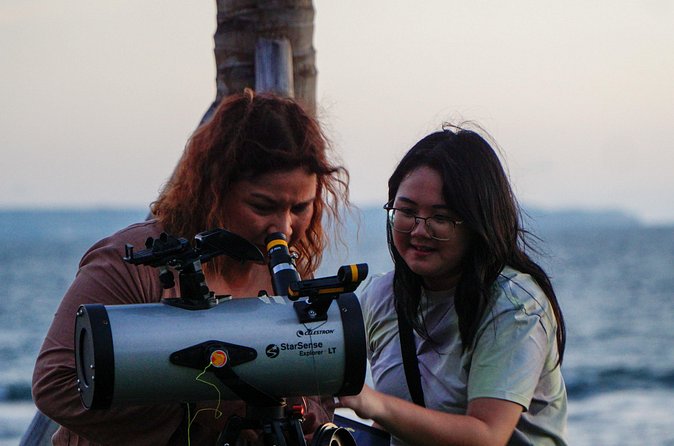
Beginner-friendly can mean anything from “we’ll babysit you” to “we’ll explain one thing and move on.” This is more useful than that. You don’t just view through one telescope and call it a night. You learn how to operate equipment so you understand what you’re doing.
The gear list is solid:
- High-quality telescopes
- Binoculars
- A spotting scope
- A smart astrophotography camera
- Plus, you’ll have a guide helping you through use while you’re still excited enough to listen
This matters because it turns the night into a skill. When you know how to aim, focus, and interpret what you’re seeing, the next clear night is yours to explore. And you’ll notice the difference between “I saw Saturn” and “I can find Saturn again.”
Here’s a practical way to think about it while you’re there:
- Binoculars help you locate and orient.
- Spotting scopes often sharpen what you’re already aiming at.
- Telescopes bring out details.
- A smart astrophotography camera adds a modern tool for capturing what your eyes see.
You also get a sense of how different instruments complement each other. That’s not just fun; it builds confidence. Most people leave feeling like they didn’t just witness a wonder—they learned a method.
The 20-minute photography session: getting real captures
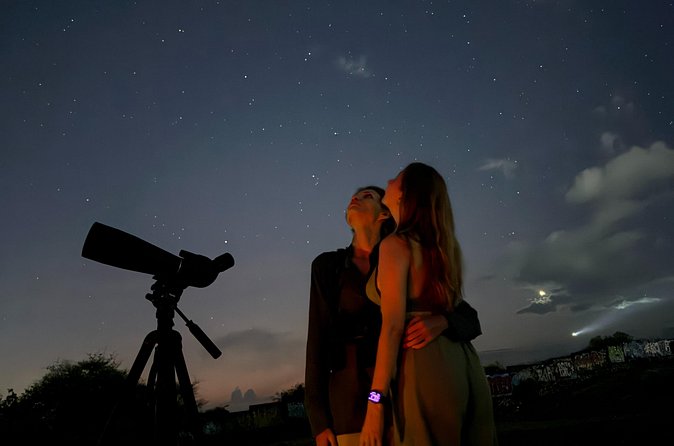
One included benefit that I think people underestimate: photography is scheduled. You get about 20 minutes of photography and documentation under the stars. That timing helps because you’re not trying to set things up while you’re already overwhelmed by the sky.
The goal isn’t to turn you into a photographer by the end of the night. It’s to document the night’s highlights with the right support and enough time to capture usable images. If you’ve ever tried to photograph the Moon or planets on your own, you know how quickly it becomes a frustration spiral. Having a plan built in is a big quality-of-life upgrade.
The smart astrophotography camera also fits this segment. It gives you a path from “I want to take a cool photo” to “I know what I’m doing enough to get something back.”
If you care about memory-making, this is worth paying attention to. A stargazing tour without photos often feels like it evaporates after the night. With documented time, the experience sticks.



Private pacing in a group up to five
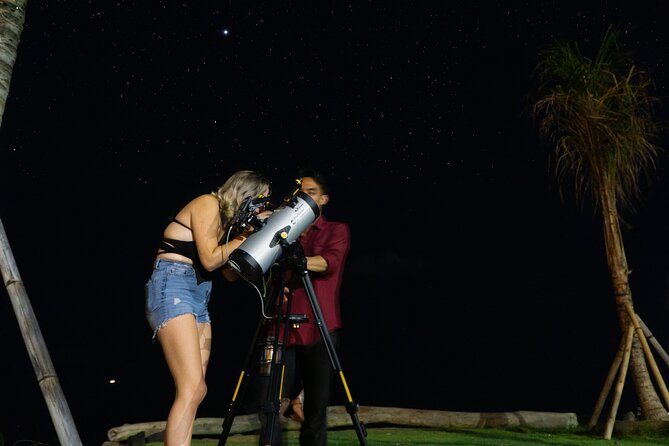
This is priced per group and designed for small groups—up to five people. That size change is the difference between a tour and a night with an expert. You’ll likely move through targets at a speed that matches your questions, not the clock or the next group.
It also keeps the experience cozy. With less crowd energy, you can hear the guide clearly and you’re more likely to pay attention to the explanations instead of competing with noise and motion.
In a place like Kuta, where you can easily spend a vacation bouncing between crowds and noise, this is a pause button. It’s not a party. It’s a calm, focused night with a clear purpose.
Price and value: is $191.49 per group a fair deal?
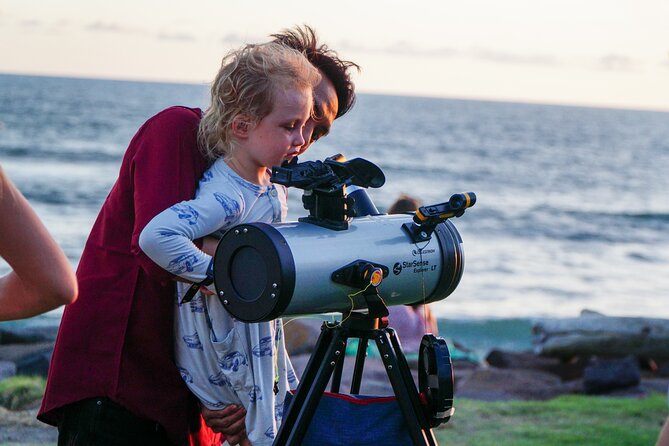
The price is $191.49 per group (up to 5), and that’s the kind of pricing that works best when you split costs. If you’re solo, it’s still a straightforward night out—but it’s best value when you bring a friend or two.
What you’re paying for isn’t just access to a telescope. You’re paying for:
- multiple types of viewing gear (not one instrument)
- guided sky explanations and Q&A
- starmap + pocket guide + surprise take-home items
- warm coffee brewing
- 20 minutes of photography/documentation
- and part of proceeds going to Munggu Village
If you compare this to piecemeal experiences—like renting optics, paying for a guided night, and trying to figure out photography on your own—this package feels more reasonable. It’s also easier. You show up, they handle the setup, and you leave with both the learning and the memories.
The only “gotcha” is weather. Since the experience depends on conditions, you want to treat the night as a flexible plan and not a guaranteed checklist.
Where it fits in your Bali itinerary
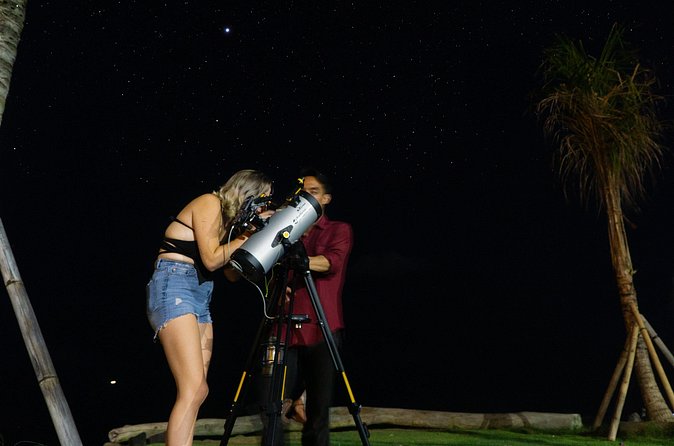
This is an evening activity starting at 6:30 pm for about 2 hours 30 minutes. That means you can pair it with a normal day of beach time, temple visits, or a relaxed meal schedule without feeling like your whole day gets eaten.
It also pairs well with staying near the south or around transport routes that make evening timing easier. Starting at Munggu Beach keeps it grounded and not overly complicated.
Practical timing note: wear layers if you run cool at night. Bali nights can feel different once the sky gets dark and the breeze kicks in. The tour includes warm coffee, which helps, but it’s still smart to dress for comfort.
Who should book this stargazing night
This tour fits best if you want one of these things:
- a beginner-friendly way to understand what you’re seeing
- a calm, private night instead of another crowded Bali activity
- a mix of science and stories, not just “look through the lens”
- hands-on time with multiple pieces of astronomy equipment
- and take-home learning materials so you can remember the sky
You’ll likely enjoy it even more if you’re the type who asks why. The guide’s format makes that feel normal, not annoying. If you want a mostly silent viewing session, you might still appreciate the visuals—but the tour is clearly built around interaction.
It also works for couples and small friend groups. In a group of up to five, you can share the wonder without feeling like you’re waiting your turn.
Should you book Stargazing Under the Bali Skies?
Yes, if you want a stargazing experience that feels personal, educational, and well paced. The hands-on equipment, warm coffee, starmap/pocket guide, and the included photography time make it more complete than most “just point and stare” nights.
Book it with two realistic expectations:
1) Weather controls the views, so go in flexible.
2) The value shines when you’re with a small group and you’re open to learning, not just photographing.
If you’re trying to build a Bali trip that includes more than beaches and day trips, this is the kind of evening that gives you something you’ll still think about weeks later.
FAQ
Where does the tour start?
The meeting point is Munggu Beach Sea, Bali, Indonesia, and it ends back at the meeting point.
What time does it start?
Start time is 6:30 pm.
How long is the stargazing session?
The duration is approximately 2 hours 30 minutes.
Is it private or shared with other groups?
It’s a private tour/activity, and only your group participates.
What’s included in the experience?
You get use of high-quality telescopes, binoculars, a smart astrophotography camera, and a spotting scope, complimentary coffee brewing under the stars, a starmap + astronomy pocket guide + surprise goodies, and 20 minutes of photography & documentation.
Do I need any astronomy knowledge beforehand?
No. It’s designed to be beginner-friendly, and you’ll be guided through constellations and sky targets, with time for questions.
Is the experience dependent on weather?
Yes. The experience requires good weather. If it’s canceled due to poor weather, you’ll be offered a different date or a full refund.
What’s the cancellation policy?
You can cancel for a full refund up to 24 hours before the experience starts. If you cancel less than 24 hours before, the amount paid isn’t refunded. Cut-off times use local time.