Manta rays, without the hassle. This Bali-to–Nusa Penida snorkel trip is built around a single goal: time at Manta Bay where manta rays are often seen near the surface, plus guided snorkeling, ferry transfers, and food. I love that the trip runs with a max 40 group size and an organized crew, so you spend less time figuring things out yourself. I also like the practical touches like snacks and a real included meal. The one thing to consider is timing: even though the day feels full, some parts of it can include waiting, and the actual time in the water may feel shorter than you expect.
What makes this experience click is the combination of clear-season timing and local know-how. Manta rays here are giant but gentle, and they don’t pose a threat—your main job is to snorkel calmly and let the guide handle the plan. Still, sightings are never guaranteed since manta rays are wild animals in their natural habitat, and conditions can change fast.
In This Review
- Key points that shape your day
- Why Manta Bay is the star of this Bali-to-Nusa Penida trip
- Sanur Harbour to Nusa Penida: the fast-boat flow (and why timing matters)
- Stop-by-stop: what you do at each pier, bay, and break
- Sanur Harbour Ferry: set-up and departure views
- Jungut Batu port: the quick transfer checkpoint
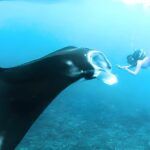
- Manta Bay snorkeling: the main event (about 30 minutes)
- Crystal Bay (Nusa Penida): marine variety with a quick stop
- Gamat Bay: beautiful but more current-focused
- Mangrove Point on Nusa Lembongan: roots, animals, and photos
- Jungut Batu Beach: heading back toward Sanur
- Arrive Sanur Harbour: hotel pickup and drop-off
- Small group, strong crew: what the guide experience actually feels like
- Food, snacks, and comfort: the part people remember
- Price and value: what $70 buys you (and what it doesn’t)
- Best season (and why weather can change everything)
- Should you book this manta ray snorkeling trip from Bali?
- FAQ
- How long is the snorkeling day trip?
- How much does the tour cost?
- What is the meeting point in Bali?
- Does the tour include hotel pickup and drop-off?
- Can non-swimmers snorkel on this trip?
- Are manta ray sightings guaranteed?
- What should I bring?
- When are the best months for manta ray snorkeling here?
Key points that shape your day
- Manta Bay focus for the highest chance of seeing manta rays
- Sanur–Nusa Penida fast-boat transfers that keep the day moving
- Guides + safety gear mean non-swimmers can join the snorkeling
- Lunch and snacks included before and after your time in the water
- Small-group cap (40 travelers max) helps keep things from feeling chaotic
- Shade can be inconsistent on the boat, depending on where you end up
Why Manta Bay is the star of this Bali-to-Nusa Penida trip
If manta rays are on your Bali wish list, you’re picking the right kind of outing. The tour is set up so you hit the key snorkeling area for mantas—Manta Bay—during the part of the day when visibility is typically best.
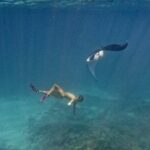
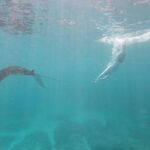
Here’s the big seasonal clue: the best time for manta snorkeling in March to November. During these months, seas are often calmer and visibility tends to be superb, which matters because manta rays are easier to spot when the water is clear. The tour also leans into how mantas feed: they commonly hang near the surface where plankton gathers. That’s good news for your viewing, because it’s not a deep-water scavenger hunt.
You should still hold one expectation steady: sightings are not guaranteed. This tour can’t control animal behavior or changing ocean conditions. But what it can control is how well you’re guided—where you enter the water, how the group is managed, and how quickly you get everyone ready to float and watch.
Also, manta rays are described as giant but gentle and not a danger to humans. That’s the right attitude for your brain: you’re there to observe, not chase.
You can also read our reviews of more snorkeling tours in Kuta
Sanur Harbour to Nusa Penida: the fast-boat flow (and why timing matters)
This trip starts in Sanur, with pickup/transfer options depending on where you’re staying in Bali. The meeting point is at Arthamas Express Fast Boat in Sanur Kaja, Denpasar—so you’re not navigating a complicated multi-departure system.
From there, the day runs on ferry and fast-boat momentum:
- You depart on the Sanur Harbour fast-boat ferry to the Nusa area.
- You then transfer through Jungut Batu (on the Nusa Lembongan side) before getting to the snorkeling sites.
The scheduled day is listed as about 5 to 6 hours. In real life, that usually means you’re up early-ish, moving between islands quickly, and spending most of the day in transit plus a few focused blocks of time in the water.
One practical note: boat seating can affect your comfort. One review-style detail that’s easy to miss when you’re excited about mantas—some people ended up at the front of the boat with less or no shade (depending on which rows are under the roof). If you burn fast or hate sun fatigue, plan like this is part of your snorkeling strategy: light layers, sun protection, and water.
Stop-by-stop: what you do at each pier, bay, and break
This itinerary is designed as a chain of short hops. Each stop has a purpose: get you to the right coastlines, place you near high-probability snorkeling, and give you a mix of water time plus a couple of on-island breaks.
Sanur Harbour Ferry: set-up and departure views
The first stop is Sanur Harbour. Sanur is known for beautiful sunrise views, and you’ll have that harbor “Bali energy” before you head out. The included ticket here matters because it removes one chunk of friction from your day: you don’t need to figure out the ferry timing separately.
Expect a short window before departure—this is not a slow travel day.
Jungut Batu port: the quick transfer checkpoint
Next you’ll reach Jungut Batu port (on Nusa Lembongan). Think of this as the transition hub. Your main goal here is simple: get everyone organized, checked in, and ready for the snorkeling legs.
This stop is short—about 15 minutes—so don’t plan on it being a chance to wander. It’s more of a logistical “touch base.”
You can also read our reviews of more tours and experiences in Kuta

Manta Bay snorkeling: the main event (about 30 minutes)
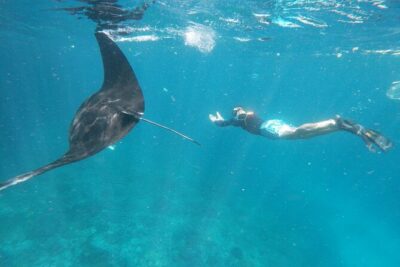
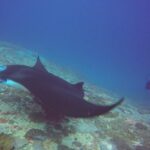
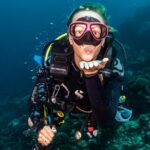
Now for the reason most people show up: Manta Bay. This is the tour’s headline snorkeling stop, typically around 30 minutes. Admission/tickets for this segment are included.
What you should expect in the water:
- You’ll have snorkeling guides and safety equipment.
- The crew manages the group so you can focus on watching, not on coordinating.
- The chance of manta rays is highest here, but again: not guaranteed.
The best way to maximize your odds is calm focus. Manta rays are not a quick flash-and-gone show. In clear conditions, you’ll often see them near the surface feeding. If you panic, you’ll miss the subtle passes.
Also, this tour explicitly notes that non-swimmers can participate. That’s not “jump in and hope.” It means they provide safety gear and instruction. If you’re nervous about floating, this format is built for you.
Crystal Bay (Nusa Penida): marine variety with a quick stop
After Manta Bay, you move to Crystal Bay on Nusa Penida for about 30 minutes. Here, the information emphasizes sea life variety—pelagic fish, sharks, stingrays, sunfish, and turtles (with shallow portions described as well).
The key idea: this stop is shorter, so it’s about a quick window to see what’s around you. Because the tour is moving, don’t treat Crystal Bay like a long hangout. It’s more of a “what’s out there today” checkpoint.
Admission for this stop is listed as free, which matters if you’re trying to understand what the $70 covers.
Gamat Bay: beautiful but more current-focused
Next is Gamat Bay, also about 30 minutes. This area is described as well known by people for its beauty and current strength, with caves and crevices and plenty of reef fish and invertebrates.
What this means for you practically: don’t fight the water. If you feel strong movement, rely on your guide’s cues. The tour’s baseline says most travelers can participate, but current areas reward good buoyancy and listening closely.
If you’re new to snorkeling, a guide-led approach is exactly what you want. Keep your breathing steady and follow instructions.
Mangrove Point on Nusa Lembongan: roots, animals, and photos
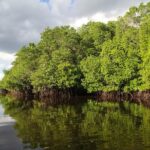
Then you’ll stop at Mangrove Point (about 30 minutes). This is for mangrove roots, plus the animals that live in the forest area. It’s also framed as a photo opportunity.
Here’s the honest tradeoff: one response-style detail suggests the mangrove portion might not be special for everyone. If your priority is pure water time, consider whether a mangrove stop fits your style. If you like quick nature breaks and photos, it can be a nice change of pace between bays.
Jungut Batu Beach: heading back toward Sanur
After the snorkeling-side stops, you return to Jungut Batu Beach/port (around 15 minutes) for the crossing back to Sanur.
This stage is mostly about getting everyone back on the next boat leg.
Arrive Sanur Harbour: hotel pickup and drop-off
When you land back at Sanur Harbour, you’ll be met for pickup and taken back toward your hotel area. Transfers are included within a defined zone.
This return step is where the tour’s value shows: you’re not left scrambling for a taxi after a long, sun-heavy day.
Small group, strong crew: what the guide experience actually feels like
This tour limits group size to 40 travelers, which matters more than it sounds. On multi-stop snorkeling days, smaller groups generally mean less time herding people and more time watching water.
The guides are repeatedly described as friendly, welcoming, and well organized, and safety is emphasized. One guide name that comes through clearly is Nova—he gets called out as brilliant, especially in terms of how the day runs and how guests are supported.
There’s also a practical detail that can be a big plus if you’re traveling light: you may be given pictures and videos of your snorkeling. If you want proof of manta sightings, that kind of service can save you from the usual “my camera was on the wrong setting” problem.
And yes, the tour explicitly includes safety support for non-swimmers. That’s huge if you’re not confident in the water but still want the experience. You’ll likely be paired with the guidance and gear you need rather than being left to improvise.
Food, snacks, and comfort: the part people remember
A lot of snorkel days in Bali go heavy on the water and light on the calories. This one includes lunch plus snacks before and after snorkeling, and the food quality is specifically noted as yummy.
That matters for two reasons:
- Your energy stays stable across ferry legs and sun exposure.
- You’re not stuck spending extra money at random spots while everyone’s waiting to depart.
Comfort-wise, bring a change of clothes and comfortable footwear. You’ll be hopping between ports and walking short distances. Sunscreen is non-negotiable. Even on shorter snorkeling sessions, the Bali sun adds up fast.
Camera-wise, bring yours. Even if you don’t get your own perfect shots, the tour’s photo/video support can help.
And plan for shade variability on the boat. One complaint was specific: not all rows were under the roof, and the front had little shade. If you’re sensitive to sun heat, you might want to ask where the shaded seats are during boarding and take that seriously.
Price and value: what $70 buys you (and what it doesn’t)
At $70 per person, this isn’t the cheapest snorkeling option in Bali. But it can still represent solid value if you compare what’s included here.
What you’re getting for the money:
- Fast-boat and included ticket components across the day’s key segments
- Snorkeling guides and safety equipment
- Lunch and snacks
- A structured itinerary with multiple marine stops
- Mobile ticket support
- A pickup/drop-off plan in several Bali zones
Where the value can feel weaker:
- If you expected a long stretch of snorkeling time, some feedback points to longer waiting and shorter actual time in the water than the full-day expectation suggests.
- If you dislike non-water breaks, the mangrove stop may feel like a detour.
So think of the price as paying for logistics and guidance. If you’d otherwise have to arrange your own ferry timing, transfers, tickets, and guide, bundling often pays off—even if the day feels compact.
Also, the tour is commonly booked about 25 days in advance on average. That’s not a guarantee of anything, but it does hint the best dates can fill.
Best season (and why weather can change everything)
For manta rays in this region, the stated best season is March to November. That’s when seas are typically calmer and visibility tends to be strong. If you’re planning a trip and you have flexibility, that window gives you a cleaner shot at success.
Even with good season timing, the ocean decides. The tour requires good weather. If it’s canceled due to poor weather, you’ll be offered another date or a full refund. That’s important because manta snorkeling depends heavily on water conditions.
Cancellation terms are set up for flexibility: free cancellation up to 24 hours before the experience start time.
Pack for weather uncertainty too. Sunscreen and a quick-dry layer help even if conditions are perfect—and they’re still useful if you get extra sun while waiting.
Should you book this manta ray snorkeling trip from Bali?
Book it if:
- You want a guided, organized day that handles ferry logistics and gets you to Manta Bay
- You care about manta rays enough to plan around the best season (March to November)
- You’re not a confident swimmer, since non-swimmers can join with safety gear and instruction
- You value included lunch and snacks so your day doesn’t turn into constant spending and stress
Maybe skip it or set expectations carefully if:
- Your top priority is maximum minutes in the water. Some feedback points to more waiting than you might expect and a shorter snorkeling window.
- You want zero “extra stops.” The mangrove portion can feel unnecessary if you’re only chasing marine sightings.
- Sun/shade comfort is a big issue. Seating can vary; shade isn’t guaranteed where you want to sit.
My practical suggestion: when you board, treat shade as something you can influence. Ask about the roof-covered rows and aim for the shaded area early. Then focus on the basics in the water: float calmly, breathe slowly, and scan the surface like you’re watching a slow-moving movie.
If you do that, the odds are better that your time at Manta Bay turns into the kind of memory you came for.
FAQ
How long is the snorkeling day trip?
The experience is listed as about 5 to 6 hours approximately.
How much does the tour cost?
The price is $70.00 per person.
What is the meeting point in Bali?
Meet at Arthamas Express Fast Boat, Pertokoan Arcade, Jl. Matahari Terbit No. 4, Sanur Kaja, Denpasar Selatan, Kota Denpasar, Bali 80227, Indonesia. Pickup details are shared by WhatsApp, and the meeting time is 08:30 AM at Sanur harbour Bali.
Does the tour include hotel pickup and drop-off?
Free pickup and drop service are available for Kuta, Legian, Seminyak, Petitenget, Jimbaran, Nusa Dua, and Sanur. Outside those areas, an additional charge applies (IDR 450,000 per car return, paid by cash).
Can non-swimmers snorkel on this trip?
Yes. Non-swimmers can participate because the tour provides snorkeling safety equipment and guides/instructors.
Are manta ray sightings guaranteed?
No. Manta rays are in their natural habitat, so sightings are not guaranteed and can vary due to environmental factors.
What should I bring?
Bring comfortable clothing, a change of clothes, comfortable footwear, sunscreen, a camera, and cash or a credit card for any self-expenses.
When are the best months for manta ray snorkeling here?
The best time is March to November, when seas are calmer and visibility is typically better.