REVIEW · SEMINYAK
Traditional Tempeh Making & Cooking Balinese Cuisine
Book on Viator →Operated by Ayu and Ngurah · Bookable on Viator
Tempeh tastes better when you make it. This small-group Balinese class in Seminyak pairs hands-on tempeh making with a real cooking session, then ends with lunch in a home garden setting. You start in the kitchen, learn what makes tempeh special in Bali and Indonesia, and you leave with food you actually built yourself.
What I love most is how the host walks you through the history of tempeh while you’re working, so the lesson isn’t just technical. I also like the small group size (up to 10 people), because Ayu and Ngurah can give you personal attention while you cook.
One thing to consider: the menu is vegan friendly, but the class may include versions with chicken and tuna unless you’re opting to skip them. If you’re strictly vegan, say so clearly during booking so the kitchen can adjust.
In This Review
- Key Highlights You’ll Care About
- Tempeh in Bali: Why This Class Starts With History
- Meeting at Canang Sari Homestay and Getting the Right Group Energy
- Tempeh From Scratch: The Hands-On Making Lesson
- Spice Lessons That Turn Recipes Into Real Skills
- What You’ll Cook: Sayur Urab and Tempeh-Based Dishes
- From Open-Air Kitchen to a Garden Lunch With Seven Dishes
- Price and Time: Is $39 Good Value for Seminyak?
- Who This Class Is For (and Who Might Want to Skip It)
- A Few Smart Tips Before You Go
- Should You Book This Tempeh Making and Balinese Cooking Class?
- FAQ
- What is the duration of the Traditional Tempeh Making & Cooking Balinese Cuisine class?
- Where does the class start?
- What does the $39 price include?
- Is the class vegan friendly?
- How many people are in the group?
- Is there an option for a private class?
- What dishes will I make and eat?
- Is there a lunch included, or is it just cooking?
- What kind of ticket does this use?
- What happens if weather is poor?
Key Highlights You’ll Care About
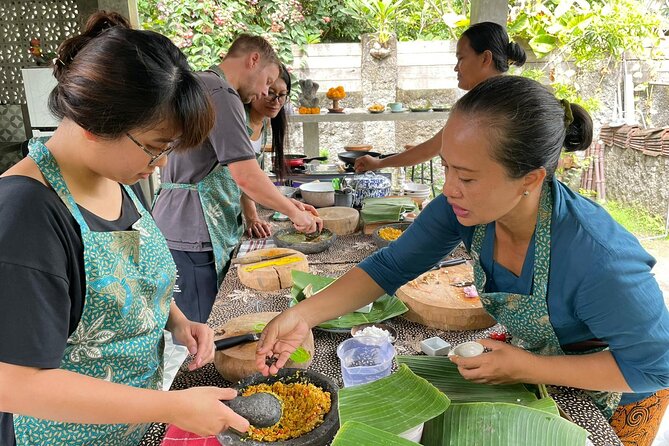
- Ayu and Ngurah teach and guide with a hands-on, step-by-step feel, not a rushed demo
- Tempeh making from scratch, plus a guide so you can try it at home later
- Balinese spices and recipes tied directly to what’s on your plate
- Sayur Urab with grilled grated coconut and greens/beans mixed in
- Seven dishes for lunch in a family-style garden meal setting
Tempeh in Bali: Why This Class Starts With History
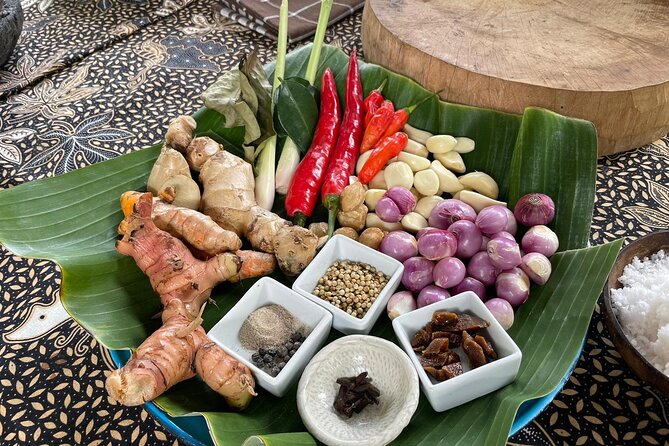
Tempeh isn’t a side dish in Bali—it’s a core ingredient, and this class treats it like one. You’ll learn where tempeh comes from in Indonesia (it’s an original from Java, known since around the 1600s) and why it became so important.
That background matters because it changes how you cook. Instead of viewing tempeh as just a plant-based substitute, you start thinking like a Balinese home cook: protein-forward, nutrient-rich, and versatile enough to show up in multiple flavors and textures. The class also frames tempeh as food for everyone, which fits the big theme here—practical, everyday Indonesian cooking, not food theater.
You can also read our reviews of more cooking classes in Seminyak
Meeting at Canang Sari Homestay and Getting the Right Group Energy
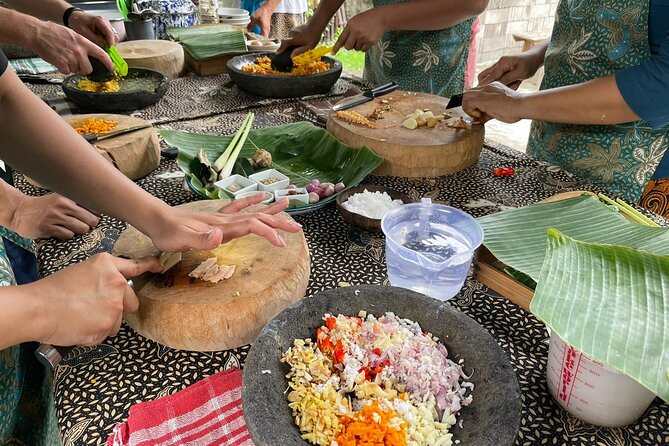
The experience starts at Canang Sari Homestay in Denpasar (listed as Gg. Kaswari No.6). It’s a short morning session that runs from 9:30 AM to about 12:30 PM, and it ends back at the meeting point.
This part is worth noting because it sets expectations: you’re not spending the day bouncing around Bali. You’re showing up, joining a focused group (max 10), and getting fully involved in the cooking and lunch portion. If you like compact, high-satisfaction tours—especially in busy areas like Seminyak—that format usually lands well.
You’ll also be fed during the class. Tea, coffee, water, and a light snack are provided, which helps you stay comfortable until lunch.
Tempeh From Scratch: The Hands-On Making Lesson
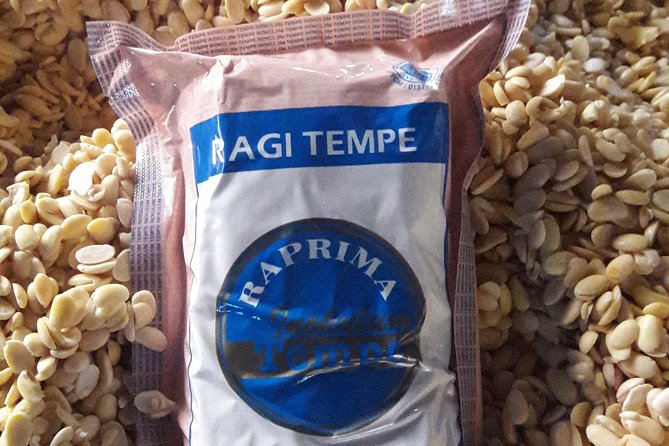
The star of the day is tempeh. During the session, you’ll learn the highlight of the tempeh making process from your host, and you’ll also discover the steps well enough to get a guide for making it at home.
What makes this feel different from many cooking classes is that you’re not only learning how to cook tempeh—you’re learning how tempeh exists in the first place. That’s a big deal if you’re the type of traveler who likes to understand the ingredient, not just the recipe. You’ll also hear more about why tempeh has been around for centuries and how it fits into everyday Indonesian food.
A practical way to get more out of this section: watch for the moments your host repeats. In classes like this, those repeated steps often become your future checklist when you try the process later.
Spice Lessons That Turn Recipes Into Real Skills
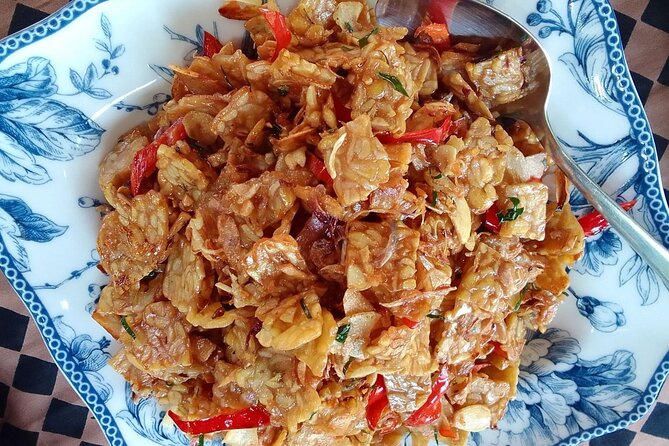
Balinese cooking is spice-driven, and this class is designed to help you recognize that. You’ll discover the different spices used in Indonesian cooking, and you’ll see how those spices translate into flavor while you’re actually cooking.
Even if you don’t plan to recreate every dish at home, you’ll leave with a better sense of how Indonesian flavors are built—how seasoning, coconut, and vegetables work together, and how tempeh fits into that structure. That’s the kind of knowledge you can use when you’re eating in warungs later and trying to identify why something tastes the way it does.
Also, the class is very hands-on. You’re not just watching. You’re cooking, tasting your way through the process, and moving along with the host at the right pace for a small group.
What You’ll Cook: Sayur Urab and Tempeh-Based Dishes
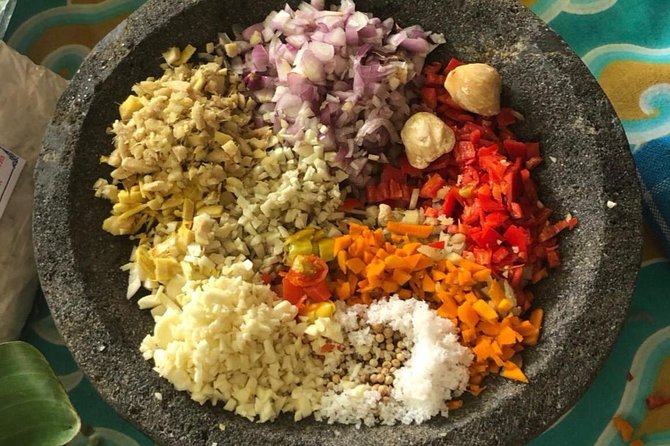
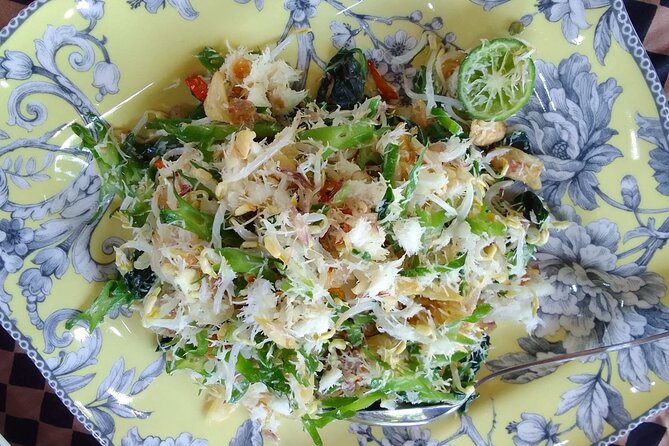
Your lunch is built around a mix of tempeh and vegetable dishes typical of the region. One named highlight is Sayur Urab, a vegetable dish made with greens and beans mixed with grilled grated coconut. That combo is a Balinese favorite for a reason: it adds body and richness without needing meat-heavy flavor bases.
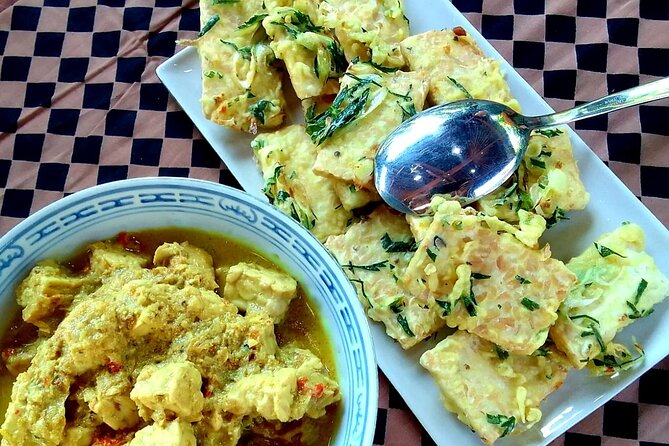
You’ll also cook additional local recipes using tempeh. The exact set-up is designed so you can eat what you make, and the class keeps the experience vegan friendly by default—though there’s a note on how meat may show up.
Here’s the important part for your planning: some dishes may be made with chicken and tuna, but the class states they can skip these options if you’re vegan. So if you’re coming for the plant-based side, make your preference clear early. It’s the difference between enjoying everything and worrying during the meal.
A smart approach during cooking: taste as you go. Small cooking classes like this often let you adjust your portion style and learn flavor cues. If your host offers guidance while you cook, take it—those are the practical tips you’ll remember later when you try a similar dish at home.




From Open-Air Kitchen to a Garden Lunch With Seven Dishes
After the cooking portion, you’ll sit down to a meal you helped create. The class moves to an open-air kitchen studio for the cooking work, and then you finish by sharing lunch in the garden at a cozy local home with a family-style vibe.
The meal itself is a major part of the value: you’ll enjoy seven dishes as part of the Balinese Indonesian lunch. That’s not just one plate plus snacks. It’s a real sampling of flavors and textures connected to the ingredients you used earlier, especially tempeh and coconut-based elements like Sayur Urab.
This “cook, then eat together” flow is where the day usually clicks. You’re not leaving right when the lesson ends. You get time to slow down, chat, and taste what worked, which is also how you learn what you’d want to order again if you find it at a local spot.
Price and Time: Is $39 Good Value for Seminyak?
At $39 per person for a roughly 3-hour experience, the value is mostly about what’s included and how focused the class is. You’re not only paying for a recipe list—you’re paying for instruction, ingredients, and a full lunch meal.
This tour includes:
- Tea, coffee, water, and a light snack during the class
- A Balinese lunch made from the dishes you prepare
- Multiple recipes (ending in a seven-dish lunch)
In practical terms, that’s a strong deal if you’d otherwise spend your morning hopping between cafés and then paying separately for lunch. It’s also a good fit if you want something more authentic than a quick cooking demo.
One more value marker: the class caps at 10 travelers, which typically means you’ll get real help while cooking. If you’ve ever been stuck in a crowded class where you just passively chop veggies, you’ll appreciate the attention here.
If you want maximum customization, there’s also a private option available upon request—useful if you’re traveling as a couple, have dietary needs, or just prefer a quieter pace.
Who This Class Is For (and Who Might Want to Skip It)
This experience is a great match if you:
- Want a morning activity that ends with a satisfying meal
- Like learning about the ingredient itself, not just how to cook it
- Are interested in Balinese flavors and plant-forward Indonesian dishes
- Prefer small groups and hands-on instruction
It may be less ideal if you:
- Want a long, full-day excursion (this is a compact session)
- Are extremely particular about avoiding any meat-related variation unless the host confirms your exact vegan approach
- Don’t enjoy cooking tasks and prefer pure tasting experiences
A Few Smart Tips Before You Go
These are simple, but they help you get better results:
- If you’re vegan or have strict dietary needs, confirm that you want the skip chicken and tuna route.
- Plan to arrive on time. The class begins at 9:30 AM, and the schedule is tight enough that late arrivals can disrupt the cooking flow.
- Bring an appetite. The end meal is a full seven-dish lunch, so you don’t need to eat beforehand.
- If you’re thinking about tempeh later at home, pay attention to how your host presents the process. You’ll get a guide, but the best part is learning how to think through the steps.
Should You Book This Tempeh Making and Balinese Cooking Class?
If you like food experiences that teach you something you can use later, this class is an easy yes. You get a hands-on tempeh making lesson, spice education tied to real cooking, and then a garden lunch made from what you cooked—plus it’s structured for a small group with named hosts, Ayu and Ngurah, who guide you through the day.
The only reason to hesitate is if your diet requires extra certainty about meat-free dishes. If that’s you, book and communicate clearly so the kitchen can match your preferences.
Overall, for Seminyak and a three-hour morning window, this is the kind of class that leaves you with both skills and a full, satisfying meal.
FAQ
What is the duration of the Traditional Tempeh Making & Cooking Balinese Cuisine class?
It runs for about 3 hours, starting at 9:30 AM and finishing around 12:30 PM.
Where does the class start?
The meeting point is Canang Sari Homestay, Gg. Kaswari No.6, Dangin Puri Kaja, Denpasar Utara, Bali 80234, Indonesia.
What does the $39 price include?
The class includes tea, coffee, water, a light snack, and the lunch made from the dishes you prepare.
Is the class vegan friendly?
Yes, it’s described as vegan friendly, and fresh plant-based ingredients are used. Some dishes may include chicken and tuna, but they can be skipped if you’re vegan.
How many people are in the group?
The class has a maximum of 10 travelers.
Is there an option for a private class?
Yes. A private group/class is available upon request, and the listing notes you can upgrade for a more personalized experience.
What dishes will I make and eat?
You’ll make tempeh and cook several traditional Balinese Indonesian dishes. One specific dish mentioned is Sayur Urab, plus additional local recipes. The lunch includes seven dishes.
Is there a lunch included, or is it just cooking?
Lunch is included. After cooking, you sit down to the lunch you helped prepare.
What kind of ticket does this use?
It uses a mobile ticket.
What happens if weather is poor?
The experience requires good weather. If it’s canceled due to poor weather, you’ll be offered a different date or a full refund.