REVIEW · SEMINYAK
Balinese Cooking Class in Seminyak
Book on Viator →Operated by The Amala Bali · Bookable on Viator
You can learn Balinese cooking without guessing. This class in Seminyak pairs hands-on prep with an optional Jimbaran fish market start, and the food lands on the table as a proper 3-course meal you actually cook. One thing to consider: the cooking time can feel prep-heavy, so go in expecting chopping and assembly as much as flashy cooking.
I really like that it’s run out of a peaceful villa setting at the Amala Boutique Retreat, and you’re not stuck in a crowded kitchen. The class stays small (up to 10 people), which means you can get attention while you’re working at your station.
If you’re trying to pick a menu, it’s straightforward: you choose Menu 1, Menu 2, or the vegetarian menu, and Chef Putu-style guidance helps you shape flavors using classic Balinese ingredients. Just confirm the market add-on when you book, since it’s tied to morning sessions and has a minimum group requirement.
In This Review
- Key highlights worth planning around
- Balinese cooking class in Seminyak: what the 3 hours feels like
- The Amala kitchen setup: location, transfers, and group size
- Optional Jimbaran fish market: what it adds (and when it’s worth it)
- The menus: exactly what you’ll cook (and the vegetarian route)
- Menu 1 (meat/fish leaning)
- Menu 2 (another mix, different flavors)
- Vegetarian menu (no seafood or meat)
- With Chef Putu and the team: how the lesson actually runs
- Eating what you made: the lunch or dinner payoff
- Price and value: is $66.67 a good deal in Seminyak?
- Should you book this Balinese cooking class?
- FAQ
- How long is the Balinese cooking class?
- Is pickup and drop-off included?
- Can I choose between morning and afternoon sessions?
- Is a fish market visit included?
- What menus are offered?
- Is there a vegetarian option?
- Do I get to keep anything from the class?
- What’s the minimum age?
Key highlights worth planning around
- Optional Jimbaran fish market visit with the chef (morning sessions only)
- Three-course meal built from fresh produce, spices, and proteins
- Menu choices stay consistent for everyone: Menu 1, Menu 2, or vegetarian
- Small group size (max 10) for more hands-on time
- Chef and staff coaching as you prep, cook, and taste as you go
- You keep the apron and get a completion certificate
Balinese cooking class in Seminyak: what the 3 hours feels like
This is a 3-hour experience that’s designed to get you from ingredient to finished plate fast. You’ll start with an introduction to what you’re cooking and how the day’s dishes come together. Then you’ll spend your time doing the work—cutting, mixing, steaming, wrapping, and cooking—while the chef explains what matters and why.
A big reason people love this format is that you’re not just watching. Even with a group, you’ll get chances to participate. And because the class ends with you eating what you made, it’s easier to connect the steps to flavor. That matters in Bali-style cooking, where the balance of spice, aromatics, and texture is the whole point.
The experience is also value-friendly for Bali. For about $66.67 per person, you’re getting hotel-area round-trip transfer, a full meal (lunch or dinner), and a take-home apron. If you do the optional morning market start, it adds more context and better ingredient sourcing.
One note: some people found the pace focused on prep—lots of chopping and assembling. If you’re hoping for a long, showy cooking spectacle, set your expectations for practical work that you can repeat at home.
You can also read our reviews of more cooking classes in Seminyak


The Amala kitchen setup: location, transfers, and group size
The class is anchored at the Amala Seminyak area—specifically the Amala Boutique Retreat in Seminyak—so you’re not bouncing around the island all day. Pickup and drop-off are included within the Seminyak area, and the transfer is described as a round-trip private service.
That matters because it keeps the experience feeling like a “real activity,” not logistics plus cooking. You’ll spend your time where it counts: learning and cooking. It’s also a relief if you don’t want to figure out where to go or how to get there on your own.
The group is capped at 10 travelers, which is small enough to avoid the usual issue where one instructor talks and everyone else watches. In the reviews, that smaller feel comes through again and again—chefs and staff keep the class moving, and you’re pulled in rather than parked on the sidelines.
If you’re staying outside Seminyak, don’t assume pickup will be free. One review described paying extra to reach the class location from Nusa Dua. So if you’re farther south or inland, double-check what your plan is for transport.
Optional Jimbaran fish market: what it adds (and when it’s worth it)
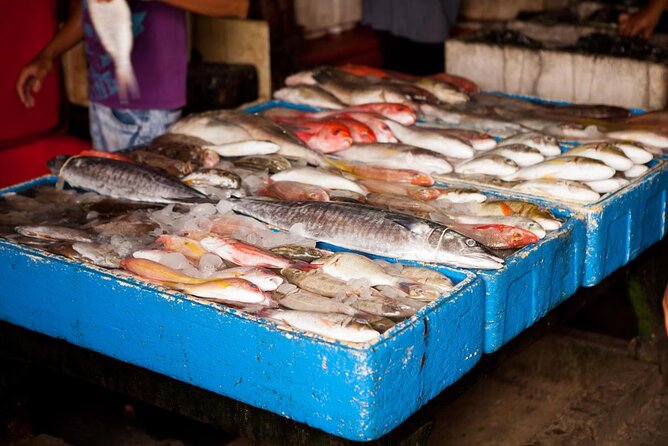
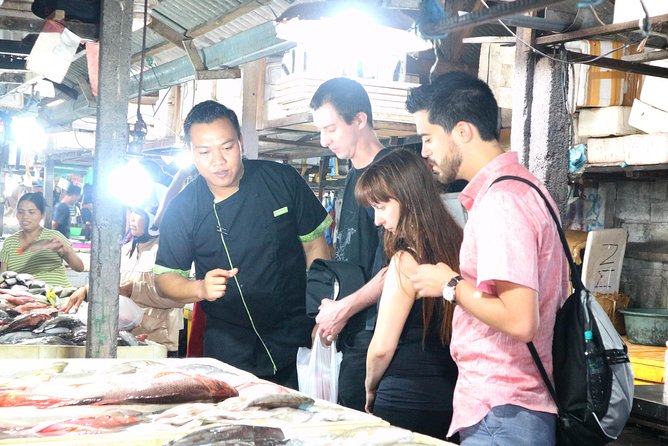
The standout upgrade here is the morning option: a chef-led trip to the Jimbaran fresh fish market. You can purchase fresh ingredients and spices for your cooking class, and you’ll see the ingredients you’re learning to use. Even if you’re not a seafood buyer, the market walk helps you understand what “fresh” means in practice.
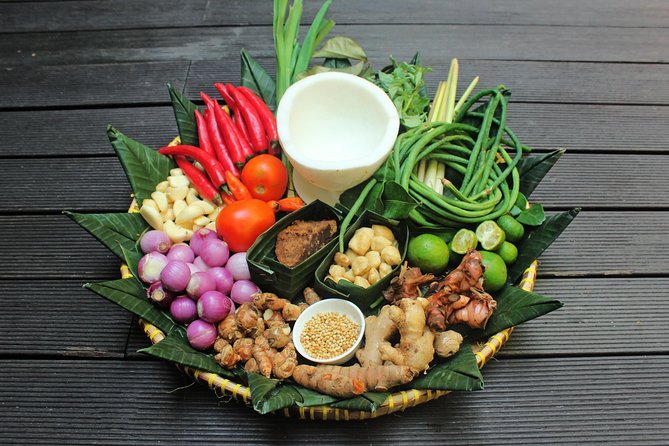
Why I think it’s worth it: Bali cooking makes heavy use of fragrant base ingredients—things like aromatics, chiles, and herbs—and the best versions depend on quality. Seeing what’s available (and what looks good) makes the lesson feel more real. You’re not just learning recipes from a cookbook; you’re learning how local cooks build flavor.
There’s also a practical side. If you plan to repeat this at home, you’ll come away with a clearer idea of which ingredients are essential and which are easier to substitute. Market context helps you shop better later.
Two considerations to keep in mind:
- The market visit is for morning sessions only.
- It has a minimum 2 persons per booking requirement. For one person, an extra Rp100,000 net fee is noted.
So if you’re traveling solo or your group is small, check that the market option will actually run for your booking.
The menus: exactly what you’ll cook (and the vegetarian route)
What you cook depends on which menu you choose, and the menu selection is the same for everyone in the group. That keeps the class organized and ensures you’re all working toward the same plates.
Menu 1 (meat/fish leaning)
You’ll cook:
- Lawar salad (green bean, fresh coconut, chicken salad)
- Tum ikan (steamed fish in banana leaf)
- Dadar gulung (coconut pancake with palm sugar and coconut)
This menu is a nice mix of fresh, savory, and sweet. The banana-leaf steaming is the kind of step that teaches you a technique you can actually mimic later.
You can also read our reviews of more tours and experiences in Seminyak






Menu 2 (another mix, different flavors)
You’ll cook:
- Jukut gedang mekua h (young papaya soup with seafood)
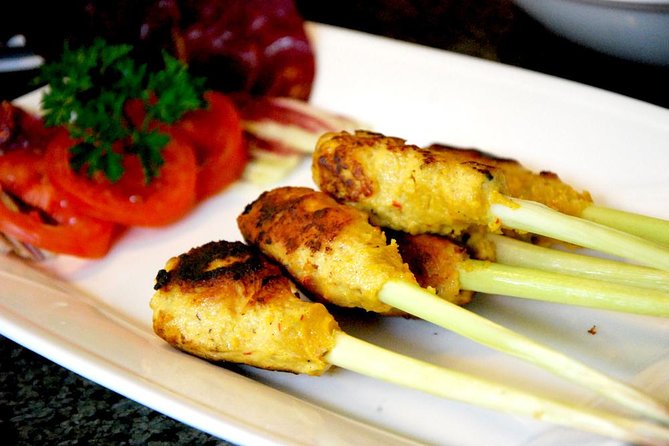
- Sate lilit ayam (chicken satay on lemongrass stick, plus steamed rice)
- Godoh biu (Balinese fried banana)
This is the menu to pick if you like savory sauces and punchy aromatics. Lemongrass-stick satay is the fun factor here—texture and fragrance matter.
Vegetarian menu (no seafood or meat)
Vegetarian plates include:
- Gado-gado (vegetable salad with peanut dressing)
- Pepes tahu (steam bean curd in banana leaf)
- Bubur injin (Balinese black rice pudding)
This vegetarian menu doesn’t feel like an afterthought. If you’re vegetarian, it’s a rare situation where you’re still getting banana-leaf technique and a sweet ending.
One more detail that’s easy to miss: you’ll receive a certificate after you finish, and you keep the apron as a souvenir. Those small extras help make the day feel complete.
With Chef Putu and the team: how the lesson actually runs
The heart of the experience is the coaching. In the feedback, names like Chef Putu, plus staff such as Evi and Manik, come up often. The tone is consistent: practical instruction, lots of chances to get hands-on, and answers to questions as you cook.
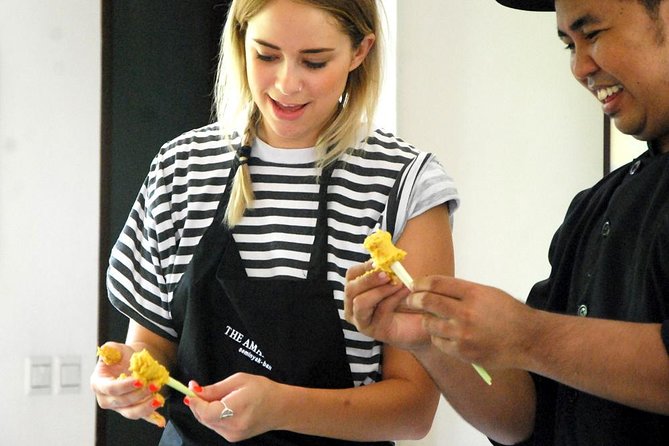
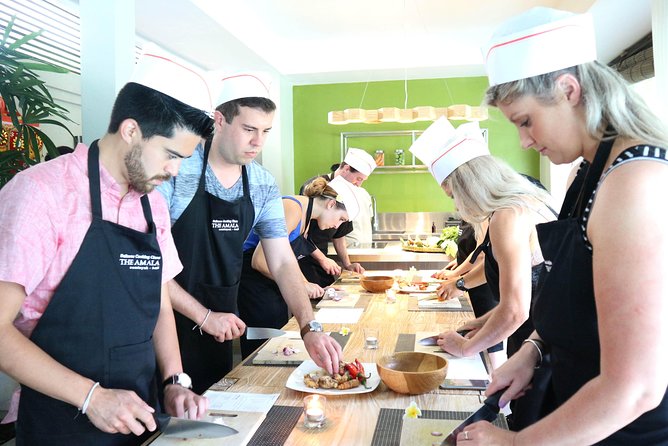
You’ll start with an introduction to ingredients and equipment, then you’ll move through the prep steps under supervision. In many cooking classes, the teacher does the critical parts while you do surface-level tasks. Here, you’re expected to participate: cutting ingredients, preparing components, and helping with the dish assembly.
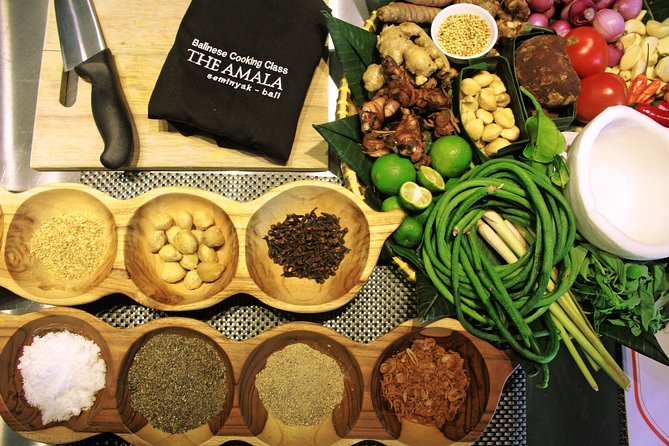
That’s also where the “prep-heavy” note matters. A lot of Balinese cooking is about layering flavor through spice pastes, careful chopping, and building textures. So even if you spend time cutting more than flambéing, you’re learning the real work behind the scenes.
From what’s been described, the staff helps keep things smooth and interactive. And if you’re the type who wants to know what to look for—like how ingredients should look or smell during prep—you’ll likely enjoy the detail.
Also pay attention to substitution guidance. One review mentioned the chef offering suggestions for ingredients that can be hard to find back home. That’s exactly what makes a cooking class worth repeating after your flight home.
Eating what you made: the lunch or dinner payoff
After the cooking steps wrap up, you eat the meal you prepared—lunch or dinner depending on your session. This is one of those “sounds obvious, works better than you’d think” moments. When you taste your own food, it locks in which flavors are driving the dish.
People repeatedly praise the final result: delicious food, plenty of portions, and a satisfying end to the 3-hour block. That’s important because some cooking classes end with a rushed snack and you never really get to appreciate your effort.
There’s one caution to keep in mind. One review noted the food was cold when it was served. That seems like an outlier, but it’s still a good reminder: if you’re the kind of person who hates lukewarm food, ask staff when the meal will be served so you can time your eating.
Still, overall, the meal finish is treated as part of the experience, not an afterthought. And the location at Amala adds to the feeling that you’re doing something special, even though the class itself stays practical.
Price and value: is $66.67 a good deal in Seminyak?
For roughly $66.67 per person, you’re paying for more than a recipe handout. You’re paying for:
- Transport within Seminyak
- A chef-guided, hands-on cooking session
- A full 3-course meal (lunch or dinner)
- A certificate
- A take-home apron
That is strong value in a tourist area like Seminyak, where “food experiences” can be either overpriced or too light on actual cooking. The best part here is that you can realistically take the skills home—especially if you do the fish market option and learn what ingredients to prioritize.
The market upgrade is the big decision. If you want the context of where ingredients come from, the morning start makes the class feel like a mini culinary education. If you’re short on time or you just want to cook and eat, the standard class still gives you a full meal and real technique.
One more value note: max 10 travelers. Smaller groups usually mean a better teacher-to-student ratio, and in this type of cooking class, that directly affects how much you participate.
If you’re outside the Seminyak pickup zone, factor in potential extra transport costs. That’s not included in the base value, and a review from a traveler staying in Nusa Dua pointed out the extra expense.
Should you book this Balinese cooking class?
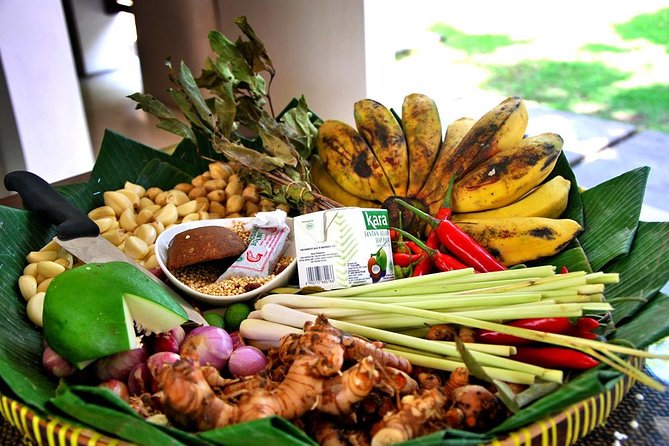
I’d book it if you want a straightforward, hands-on way to learn Balinese flavors without spending a whole day on transport. It’s especially a good fit if you like the idea of choosing Menu 1, Menu 2, or the vegetarian menu and cooking dishes with banana-leaf techniques and spice-forward sauces.
Skip it or go into it with your expectations if you’re looking for long, dramatic cooking theater. The class can lean practical and prep-focused, and if you’re sensitive to food temperature at service time, ask about when the meal will be served.
Do the morning option if you can. The Jimbaran fish market visit adds context you can’t get from a kitchen demo, and it helps you understand ingredient quality in a real setting.
FAQ
How long is the Balinese cooking class?
The class lasts about 3 hours.
Is pickup and drop-off included?
Yes. Round-trip private transfer within the Seminyak area is included.
Can I choose between morning and afternoon sessions?
Yes. You can select either a morning or afternoon session.
Is a fish market visit included?
An optional market visit is available, and the Jimbaran fresh fish market option is described for the morning session.
What menus are offered?
There are three menus: Menu 1 (Lawar salad, Tum ikan, Dadar gulung), Menu 2 (Young papaya soup with seafood, Sate lilit ayam, Fried banana), and a vegetarian menu (Gado-gado, Pepes tahu, Bubur injin).
Is there a vegetarian option?
Yes. The vegetarian menu includes Gado-gado, Pepes tahu, and Bubur injin.
Do I get to keep anything from the class?
Yes. You can keep the class apron, and you receive a certificate after completing the class.
What’s the minimum age?
The minimum age is 12 years.