REVIEW · SEMINYAK
Kuta Seminyak Scooter Lessons
Book on Viator →Operated by renaldio sharial · Bookable on Viator
Scooters look simple until you’re in traffic. This lesson turns that stress into skill fast, using bike fundamentals first and then moving you onto a real scooter route in Seminyak/Canggu. I like that you get a patient, step-by-step coach (Raffi is mentioned as especially supportive, and Dio is praised for calm teaching). I also like the practical focus on street rules and how to avoid trouble, not just how to start and stop.
The possible drawback: this is held in areas with real road conditions, so if you freeze with speed or tight turns, you may want extra practice time before expecting full confidence.
In This Review
- Key things that make this scooter lesson work
- Why Seminyak and Canggu are good places to learn
- What happens in those 2 hours: bike basics to scooter control
- The road skills you should expect to practice
- Bali street rules and police-avoidance coaching (the useful part)
- Price and value: what $52 really buys you
- Gear, helmets, and the small comfort choices that matter
- Where the lesson starts and how to handle the logistics
- Weather, timing, and how not to get surprised
- Who should book this scooter lesson
- When it might not be the best choice
- Should you book the Kuta Seminyak Scooter Lessons?
- FAQ
- How long is the scooter lesson?
- Where does the lesson take place?
- What’s included in the $52 price?
- What’s not included?
- Is this a private tour or shared group experience?
- What happens if the lesson is canceled due to weather?
Key things that make this scooter lesson work
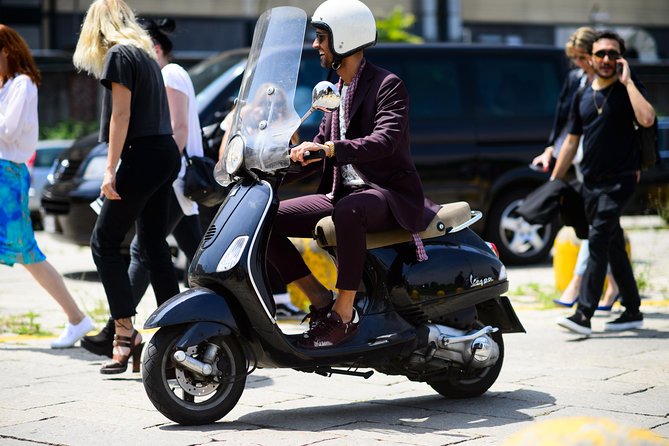
- Bike-to-scooter progression so you learn control before traffic
- Helmet plus scooter and bicycle included, so you’re not hunting gear
- Road-rule coaching aimed at day-to-day Bali driving reality
- Instructor support on quieter roads first, then moving to busier streets
- Private format so you can ask questions without feeling rushed
- Canggu practice area near your meeting point for less hassle at the start
Why Seminyak and Canggu are good places to learn
Learning a scooter in Bali isn’t just about balance. It’s about learning how to think like a local driver when everything looks a little chaotic from the outside.
Seminyak and nearby Canggu are ideal for this type of lesson because they’re where scooter travel is normal. You’ll be practicing in the same kind of environment you’ll use later when you’re moving between beach areas, cafés, and temples. And the lesson is built around that reality: start with control, then add the tricky parts—decision-making, spacing, and what to do when roads get busier.
Another smart part is the meeting point area. The start is at Jalan Raya Canggu (Jalan Raya Canggu, Tibubeneng, Kec. Kuta Utara, Kabupaten Badung, Bali). That puts you in the general zone where you’ll likely ride later anyway, so the training isn’t disconnected from your trip plans.
You can also read our reviews of more tours and experiences in Seminyak.



What happens in those 2 hours: bike basics to scooter control
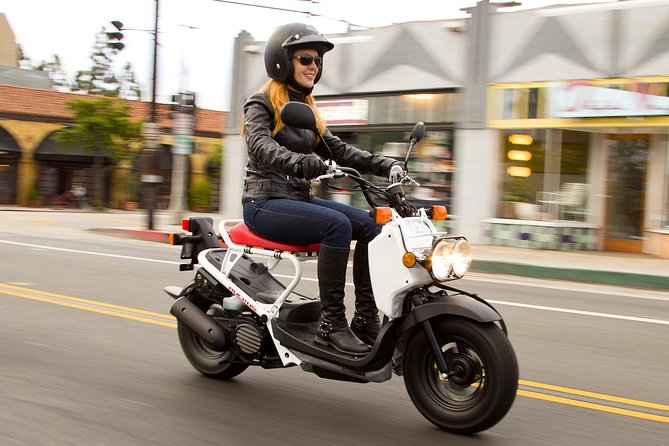
This is roughly a 2-hour lesson, and the pacing matters. The structure is simple: you build comfort on a powered bike (with the basic feel of a scooter), then you transition to riding a scooter once you can handle the fundamentals.
Here’s why that sequence is valuable for you:
- A scooter feels like a balance problem plus a steering problem plus a traffic problem. If you try to skip straight to the scooter in traffic, your brain gets overwhelmed.
- A powered bike lets you practice the main mechanical stuff—starting, slowing, and steering—while your mind is still focused on control.
- Once your body understands the motions, your attention can shift to the street side: positioning, scanning, and responding to other vehicles.
In the reviews, the instructors are repeatedly praised for making sure you get the basics right before you head into busier conditions. Raffi is specifically mentioned for teaching fundamentals and checking that you’re ready. Dio is also praised for breaking things into clear steps and staying calm and patient.
That matters because learning scooter skills isn’t only about technique. It’s about staying relaxed. When your teacher keeps you from rushing, you learn faster and feel safer.
The road skills you should expect to practice
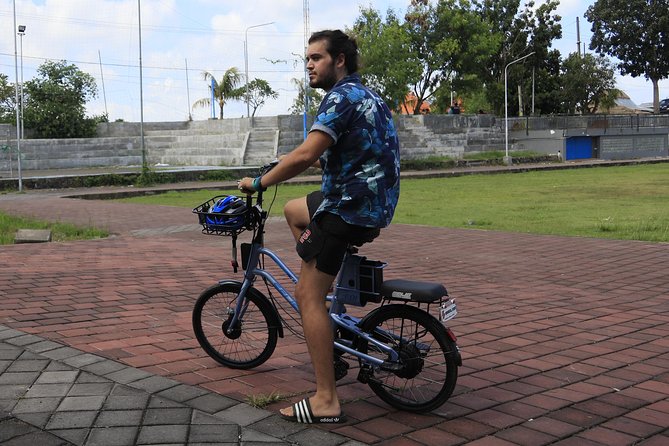
A scooter lesson that stays in a parking lot is only half the story. This one is meant to help you handle real riding conditions in Bali.
You can reasonably expect:
- Practice moving at a controllable pace, then learning how to slow down smoothly
- Getting used to turning without jerking the handlebars
- Building the habit of scanning ahead before you commit to a move
- Learning how to handle the moment you’re surrounded by other scooters
One review describes the progression from a quieter road to a busier road, with the instructor riding at the back to help keep the rider calm. That’s the sort of staged exposure you want. You shouldn’t go from zero to intense instantly.
Also, don’t ignore the “you will be taught local rule” part. In Bali, the rhythm of road behavior is its own system. If you understand what other riders expect, your decision-making gets way easier.
Bali street rules and police-avoidance coaching (the useful part)
Most scooter accidents aren’t just about speed. They’re about confusion—confusion about right-of-way behavior, where you’re supposed to be, and how to react when you’re unsure.
This lesson includes local street-rule teaching, including how to avoid problems with the police. That doesn’t mean you’ll memorize an exam. It means you’ll get practical reminders about what tends to draw attention, and how to stay safer and more predictable while riding.
Here’s what that tends to translate into for you as a learner:
- Ride in a way that looks intentional, not random
- Don’t fight the flow; learn how other scooters move through gaps
- Keep your decision-making simple: slow down, check, then go
- Follow the rules you’re given in a clear, consistent way during practice
The biggest advantage is mental. When you know the basic expectations, you ride with less panic. And less panic equals better control.
Price and value: what $52 really buys you
The price is $52 for approximately two hours, and it includes key essentials: use of bicycle, scooter, and a helmet.
That matters because scooter rentals and transport can add up fast in Bali, especially if you’re staying in Seminyak or Canggu and plan to move around often. If you’re on a long trip—say a month or more—you’ll quickly realize that learning to ride can be one of the highest “per day” value choices you can make. You stop paying for taxis for every short hop and start controlling your own schedule.
Also, the lesson is private: only your group participates. For beginners, that’s a big deal. You don’t waste time waiting for someone else to learn the slow parts. And you can ask questions without feeling awkward.
What’s not included is also worth noting:
- Breakfast and water aren’t included
- Private transportation isn’t included
So if you’re coming straight from breakfast plans, build in time to eat beforehand and bring water for between practice blocks. (The lesson hours run very broadly during the operating window, so plan your timing based on your day.)
You can also read our reviews of more tours and experiences in Seminyak






Gear, helmets, and the small comfort choices that matter
This experience includes a helmet, plus the scooter and bicycle you practice on. That’s the right baseline. You shouldn’t show up trying to guess what gear you’ll need.
What you’ll want to bring is common-sense comfort:
- Wear something you can move in while seated and while adjusting to scooter posture
- Use shoes you trust for foot control
- Dress for Bali heat and sun, since you may be outside during the practice segments
Because the lesson starts in the Canggu area, you may find yourself dealing with short walks or waiting moments at the meeting spot. Having comfortable clothing makes those little gaps less annoying.
One more practical point: the lesson uses a mobile ticket. That usually means fewer printouts and less hassle—just keep your phone charged.
Where the lesson starts and how to handle the logistics
The lesson starts and ends back at the meeting point, in the Canggu area. Since it’s near public transportation, you can plan arrival and departure without stressing about private pickup.
The start address is listed as:
Jalan Raya Canggu, Tibubeneng, Kec. Kuta Utara, Kabupaten Badung, Bali, Indonesia.
If you’re staying in Seminyak, you’re likely not far by scooter taxi or rideshare, but you’ll still want to allow extra time. Bali traffic can turn a quick transfer into a slow one.
Also, confirmation is received at the time of booking. So you should know what’s happening ahead of time and be able to show up ready.
Weather, timing, and how not to get surprised
The experience is weather-dependent. If it’s canceled due to poor weather, you’ll be offered a different date or a full refund. That’s important in Bali because rain can shift road conditions quickly.
The operating window is listed broadly (with hours from 1:00 AM to 11:30 PM). In real life, the best time to learn is usually when roads are calmer and heat feels manageable, but the key fact you can rely on from the provided info is that it runs across those hours and is confirmation-based.
My advice: pick a time when you’re not already tired. Learning scooter basics requires attention and calm focus.
Who should book this scooter lesson
This is for you if:
- You’re heading to Bali and expect to ride often during your stay
- You want a structured way to learn instead of guessing on your own
- You’re traveling long-term enough that scooter transport becomes worth it
It’s also a good fit if you’re nervous about Bali roads. Multiple reviews highlight patience and support, with instructors described as friendly, professional, and enthusiastic. That kind of teaching style helps you get confidence without being pushed.
One more suitability note: the lesson is private. That means it can work well for couples, friends, or anyone who’d rather focus on learning rather than managing a group pace.
When it might not be the best choice
This lesson seems best for beginners who want to start from zero (or near zero). If you already ride confidently and only need a quick refresher, you might find the step-by-step bike-to-scooter progression a bit slow.
Also, if you’re expecting a full scooter “license” style certification, this is not described that way. It’s a lesson focused on riding basics and local rules, not a formal licensing course.
And remember the earlier drawback: you’re learning in road conditions. Even with patience, you should expect some real exposure to busier streets as your skills improve.
Should you book the Kuta Seminyak Scooter Lessons?
If you’re planning to ride a scooter during your Bali trip, I think it’s worth booking—especially if you value learning with guidance over learning through trial and fear. The best part is the progression: powered bike basics first, then scooter practice, plus local street-rule coaching and instructor support as conditions get more demanding.
Book it if:
- you want confidence built step-by-step
- you like clear instructions and a calm teaching style (Raffi and Dio are both praised for that)
- you want to reduce transport costs by handling your own rides later
Skip it only if:
- you already ride comfortably and just need minor advice
- you’re unwilling to practice in real road conditions, even with an instructor nearby
- you’re arriving without time to manage heat, clothing comfort, and hydration needs
If you’re a beginner and you want a practical skill that pays off quickly, this lesson is a smart, focused start.
FAQ
How long is the scooter lesson?
The lesson is approximately 2 hours.
Where does the lesson take place?
It takes place in Seminyak, with the start and practice in the Canggu area at Jalan Raya Canggu (Tibubeneng, Kec. Kuta Utara, Kabupaten Badung, Bali).
What’s included in the $52 price?
The price includes use of a bicycle, use of a scooter, and a helmet.
What’s not included?
Breakfast and water are not included, and private transportation is not included.
Is this a private tour or shared group experience?
It’s a private tour/activity. Only your group participates.
What happens if the lesson is canceled due to weather?
If it’s canceled due to poor weather, you’ll be offered a different date or a full refund.
If you want, tell me your travel dates and where you’re staying (Seminyak/Legian/Canggu area). I can suggest a practical time-of-day approach so the roads feel less intimidating.