REVIEW · NUSA LEMBONGAN
2 Days Discover Scuba Diving in Nusa Lembongan – Scuba Initiation
Book on Viator →Operated by Dive Concepts Bali · Bookable on Viator
First-time weightlessness starts fast. You’ll do pool practice on Day 1, then move into two supervised ocean sessions (typically Manta Point and Crystal Bay) with an instructor right there as you learn to breathe underwater. I also like the focus on real beginner comfort: it’s a progressive course, with basics first and an instructor keeping things calm and controlled.
The biggest plus is the underwater lineup. Day 2 includes an area known for manta rays at 3–5 meters (Manta Point), plus another classic site for marine life at Crystal Bay, so you’re not just learning gear—you’re getting rewarded with wildlife. One possible drawback to keep in mind: a few past participants noted that some equipment looked a bit worn, even while the instruction and crew were strong.
In This Review
- Key Points Before You Go
- Entering The Course: Day 1 Briefing and Pool Skills
- Day 2 at Manta Point: Why 3–5 Meters Feels Manageable
- Crystal Bay: Second Session, More Marine Life Chances
- How the Equipment + Facilities Reduce Stress
- Manta Rays, Turtles, Octopus: What You’re Likely Chasing
- Instructor Style: The Names Worth Noticing
- Where the Schedule Takes You Around Nusa Lembongan
- Timing, Group Feel, and What the 2 Days Really Mean
- Price and Value: $151.01 and What You Still Pay Extra
- Who Should Book This Course on Nusa Lembongan
- Quick Decision: Should You Book This 2-Day Intro Course?
- FAQ
- How long is the experience?
- What is the maximum depth?
- Do I need prior scuba experience?
- What is the minimum age?
- What’s included in the price?
- What costs extra?
- Where do the main sessions happen?
- Is this a private activity?
- What if weather is bad or I need to cancel?
Key Points Before You Go
- Progressive learning curve: short briefing and swimming-pool skills before you go farther out.
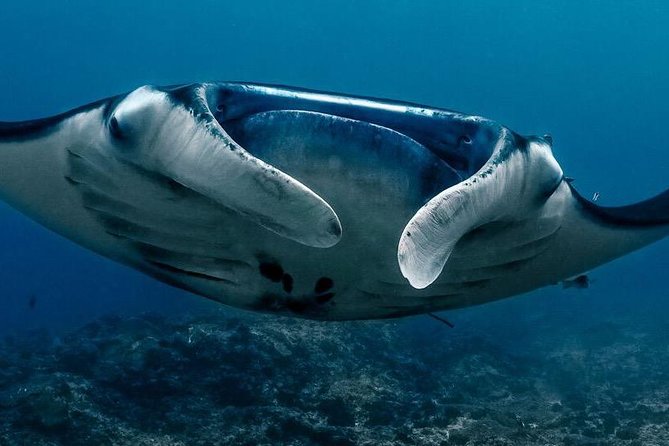
- Manta Point is the headline: manta rays visit the cleaning-station area at about 3–5 meters.
- Two different underwater sites: you’ll typically visit Manta Point and Crystal Bay during the 2 days.
- Close instructor supervision: instructors stay attentive and help when nerves show up.
- Gear and key facilities included: wetsuit, weight belt, regulators and other instruments, plus showers/locker/Wi‑Fi at the center.
- Photo memories cost extra: you can buy digital souvenir photos/videos after.
Entering The Course: Day 1 Briefing and Pool Skills
Your first day is about setting you up to feel safe enough to enjoy what’s happening underwater. You start with a short briefing to understand the basics, then you jump into the swimming pool for a few focused exercises. This matters because the hardest part for most first-timers isn’t the ocean—it’s getting used to the sensation of breathing underwater while wearing unfamiliar gear.
The course is paced as a true learning ladder. Instead of tossing you into open water right away, you practise key skills in a controlled setting where you can repeat motions until your body learns the rhythm. You’re also learning how to put the equipment together, which sounds simple until you try it for the first time. The point is to help you get your bearings fast, so you’re not panicking about gear while you’re learning everything else.
The included equipment is part of the comfort equation. You’ll be provided with the main pieces you need—mask, snorkel, fins, a buoyancy control jacket, and a regulator, plus other instruments. You’ll also wear a wetsuit and a weight belt. Having this all provided saves you from guessing which gear fits, which also makes the whole experience feel more “supported.”
You can also read our reviews of more scuba diving tours in Nusa Lembongan
Day 2 at Manta Point: Why 3–5 Meters Feels Manageable
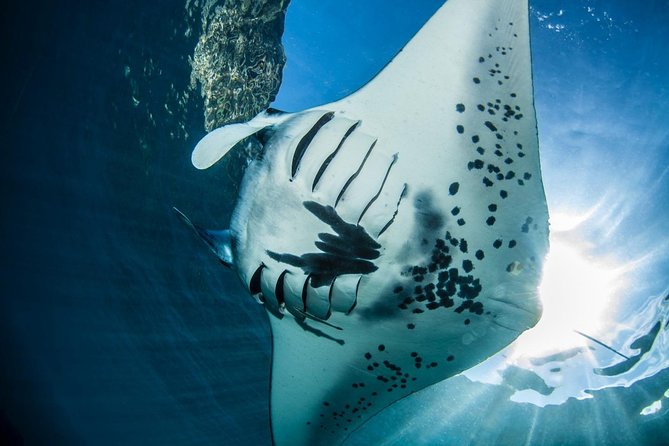
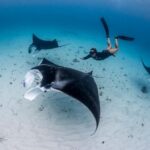
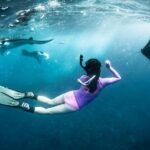
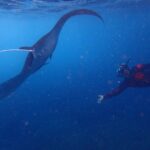
Day 2 is where the course shifts from “learning to move” to “watching life happen around you.” The first main underwater stop is Manta Point—framed as a favorite cleaning station for manta rays. In the course details, this area is noted at around 3–5 meters, which is a big deal for beginners. Lower depth tends to mean less pressure on your brain (and your body) while you’re still building confidence.
You’re not going down alone. You’ll go with an instructor nearby, and the course is structured as a progressive step from Day 1 pool skills. The learning curve is stated directly in the course description: you’ll practise basic skills first, then you’ll evolve underwater with direct supervision.
It also helps that the schedule includes a break on the boat between the main underwater sessions. After the first stop, you’ll rest and refuel on the boat before you head to the second location. That break matters more than it sounds when you’re brand-new. It gives you a chance to reset, dry off, and mentally prepare for the next underwater session.
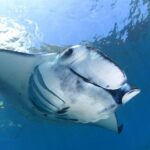
If manta rays are your dream moment, this is built around that idea. The course doesn’t just promise scenery—it’s explicitly geared toward manta-radis time at Manta Point.
Crystal Bay: Second Session, More Marine Life Chances
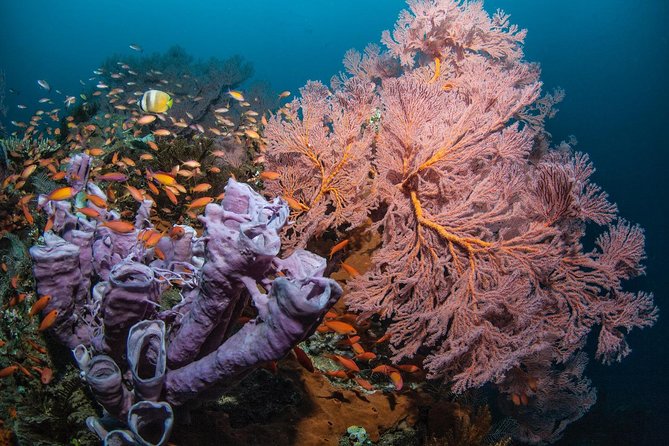
Your second underwater session is at Crystal Bay. The course sets this up as the follow-up after Manta Point, so you’re not starting from zero again. By the time you reach Crystal Bay, you’ve already had at least one go at the underwater sensation, plus you’ve practised the core skills from Day 1.
Crystal Bay is listed as a key stop in the itinerary, and it’s one of the most referenced beginner-friendly targets in this region because it often gives clear opportunities for marine life. The learning goal stays the same—helping you breathe underwater and move with control—but the reward changes from one site to the other.
You’re still capped at a maximum depth of 40 feet (12 meters) for the course. That cap is important. It tells you the operator is building this introduction as a controlled experience, not a free-for-all.
From the small set of names and stories shared by instructors, the feel is consistent: people are more at ease when the instructor prepares them for what might feel odd underwater. In past experiences with instructors like Hugo and Sara, the feedback highlights patience when someone feels panicked, plus clear guidance when conditions are new.
How the Equipment + Facilities Reduce Stress
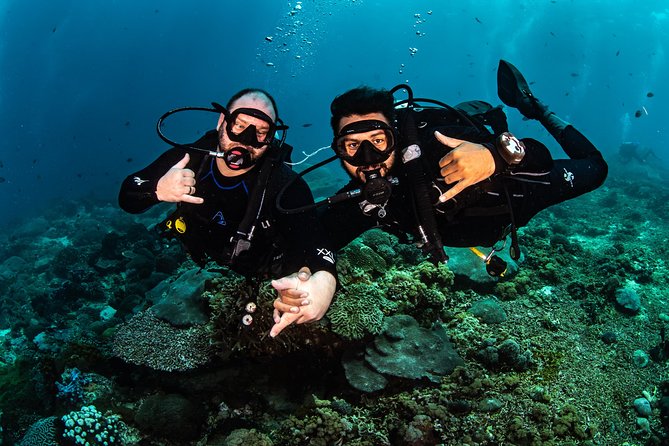
Scuba gear can feel like a lot—until it’s fitted, explained, and used with guidance. Here, the course is designed around reducing those unknowns.
What’s included:
- Wetsuit and weight belt
- Mask, snorkel, fins
- Buoyancy control jacket (BC)
- Regulator and other instruments
- Certified instructor
- Center facilities like Wi‑Fi, toilet, shower, locker, and change room
That list matters for two reasons. First, it lowers the number of things you must figure out alone. Second, the facilities help you stay comfortable before and after your time in the water. A warm shower and a place to change make the transition easier, especially in an active, two-day schedule.
A small note from past participants: one person marked the experience 4 out of 5 partly due to some equipment showing its age. I’d take that as a reminder to show up early and let the team fit your gear carefully. If anything feels off, say something right away so the instructor can help adjust before you go.
Manta Rays, Turtles, Octopus: What You’re Likely Chasing
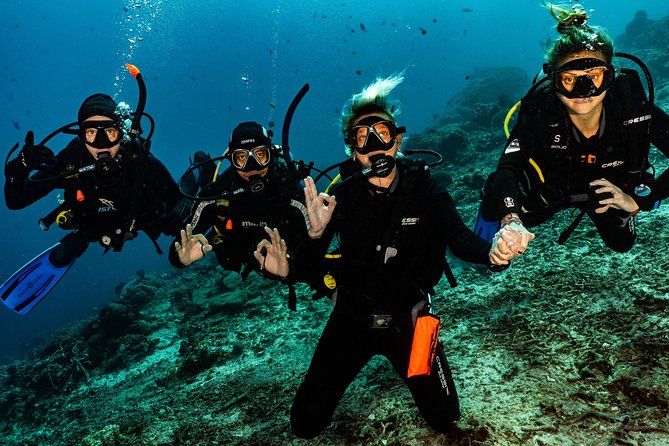
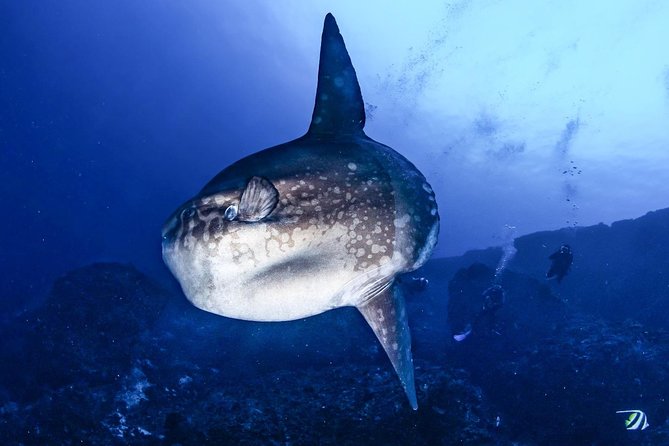
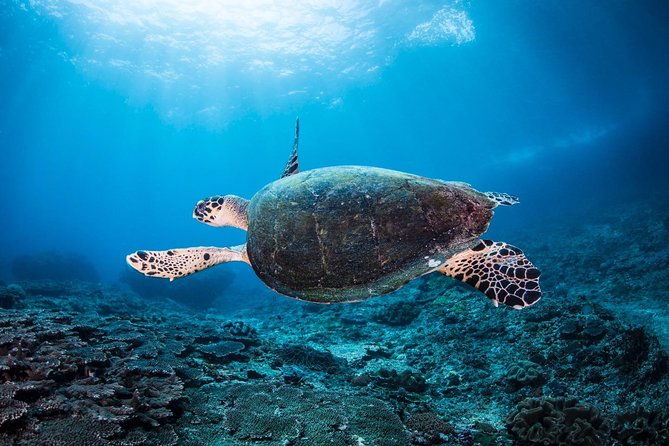
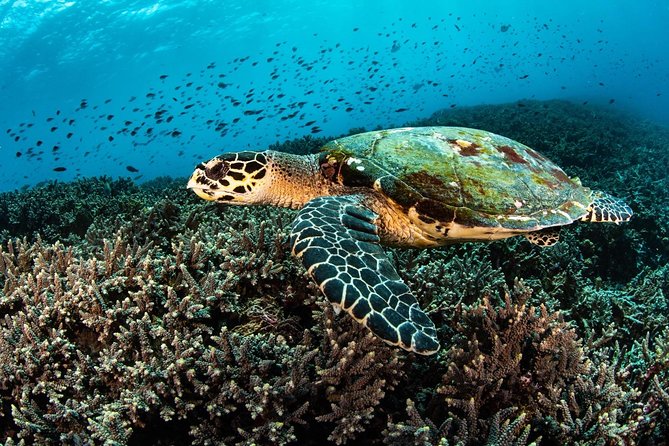
Even though this is an introductory course, it still aims to deliver wildlife. The course description talks about vivid corals and brilliant marine life, and the Day 2 plan is clearly aimed at manta rays at Manta Point.
From instructor-led experiences people described, the wildlife highlights often include:
- manta rays (including sightings tied to Manta Point)
- turtles
- octopus
- box puffer and other reef fish (mentioned in course feedback)
Now, wildlife is never guaranteed. But the planning logic here is strong: you’re not spending both days only in training zones. You’re doing two open-water stops with an instructor close by, so your “learning moments” also get a shot at memorable sightings.

Instructor Style: The Names Worth Noticing
The staff reputation is one of the clearest reasons this course scores near-perfect. Multiple instructors are named directly in the experiences shared.
Here are the instructor strengths that show up most often:
- Hugo: praised for being prepared and attentive when someone had real water fear. One experience specifically notes support when a person felt panicked underwater, plus help for unpleasant situations underwater.
- Sara: called extremely helpful when someone struggled during the underwater moment.
- Valentin / Valentine: mentioned as supportive and safety-focused, plus a fun team vibe on the boat.
- Romane: described as an especially protected experience for beginners, with patient instruction.
- Lorine and other crew members: praised as organized and caring, making the boat time feel smooth.
If you tend to get nervous, this part matters. Having a team that has handled first-time fear without making it worse can change the entire trip.
Where the Schedule Takes You Around Nusa Lembongan
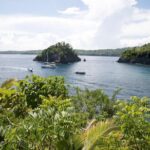
The itinerary lists several coastal points you’ll work from across the two days: Crystal Bay, Mangrove Point at Nusa Lembongan, Toyapakeh, and Jungut Batu Beach. Even if not every stop is a “main wildlife moment,” these names matter because they help you understand the day’s rhythm is tied to the coastline and boat routes.
Here’s how that translates for you:
- You’ll start in Jungutbatu area (meeting point is listed there).
- You’ll spend time at Crystal Bay as part of the main underwater session.
- Mangrove Point and Toyapakeh appear as additional route/area stops in the plan.
- Jungut Batu Beach is part of the overall operation area and meeting/end zone.
If you’re the type who likes to visualize logistics ahead of time, it helps to know you’re not just driving to one spot and calling it a day. You’re hopping between named areas around the island.
Timing, Group Feel, and What the 2 Days Really Mean
This course runs for about 2 days and the course notes you need two days to take it. That timeframe is long enough to create confidence: one day to learn and practise, one day to apply that practise in real conditions.
It’s also described as private—only your group participates. That matters because you get more consistent attention during the learning phase. When equipment fitting and skill practise are the main focus, smaller groups can make the experience feel calmer and more personal.
In terms of pace, expect:
- Day 1: short briefing + pool exercises
- Day 2: the main underwater sequence with a first stop at Manta Point, a boat break, then a second stop at Crystal Bay
The day can be active, but the structure stays clear.
Price and Value: $151.01 and What You Still Pay Extra
The price shown is $151.01 per person for the 2-day course. For a beginner introduction that includes not only instruction but also the full equipment set (including the buoyancy control jacket and regulator) plus the center facilities, it’s reasonably good value.
What you do get for that price:
- wetsuit + weight belt
- instructor-led training
- full scuba gear package
- center amenities like showers and locker/change room
- Wi‑Fi at the facility
What costs extra:
- digital souvenir photos/videos
- optional accommodation at the dive-training center (dormitories and bungalows are available)
- and an extra fee of 300,000 Rp/person to reach Manta Point
That last item is the one to plan for. If manta rays are the main reason you booked, add this to your mental budget so there are no surprises mid-trip.
Also, since the itinerary says the course commonly includes Manta Point and Crystal Bay, you should treat that extra fee as part of the manta-radi experience goal.
Who Should Book This Course on Nusa Lembongan
This is best for you if:
- You want a first-time scuba introduction without figuring out gear alone.
- You’re drawn to manta rays and want a realistic chance at seeing them.
- You appreciate close supervision and a progressive learning curve.
It fits beginners well, including people who feel uneasy in water—some of the strongest course feedback centers on instructors being calm and prepared when anxiety shows up.
It may not be ideal if:
- You’re expecting this to feel like a long, independent exploration. This is structured training with supervision and a max depth limit.
- You’re very sensitive to equipment condition; one past participant noted age in some gear.
The course requires a minimum age of 10 and asks for moderate physical fitness.
Quick Decision: Should You Book This 2-Day Intro Course?
I’d book it if you want your first underwater experience on a short leash: skills practised first, then two supervised open-water sessions, with manta rays as a target and an instructor who’s shown they can help beginners stay calm. The included gear and on-site facilities are a real value boost, especially for a two-day schedule.
I’d also budget for the extras—especially the 300,000 Rp/person needed to reach Manta Point—and I’d ask the team to fit and check your gear carefully before you head in. If you do those two things, this course has a strong setup for a confidence-building first experience with real wildlife moments.
FAQ
How long is the experience?
It’s a 2-day course, and the info provided notes that you need two days to take it.
What is the maximum depth?
The course maximum is 40 feet (12 meters).
Do I need prior scuba experience?
No. It’s designed as an introductory experience with a short briefing and pool practice before the supervised ocean sessions.
What is the minimum age?
The minimum age required is 10 years old.
What’s included in the price?
The course includes a wetsuit and weight belt, a certified instructor, scuba equipment (mask, snorkel, fins, buoyancy control jacket, regulator and other instruments), and center facilities like Wi‑Fi, toilet, shower, locker, and change room.
What costs extra?
Digital souvenir photos/videos are available for purchase. Accommodation is not included, though dormitories and bungalows are available at the center. There’s also an extra fee of 300,000 Rp per person to reach Manta Point.
Where do the main sessions happen?
Day 2 includes a Manta Point session and a second session at Crystal Bay. The listed itinerary also includes Crystal Bay, Mangrove Point, Toyapakeh, and Jungut Batu Beach.
Is this a private activity?
Yes. It’s private, so only your group participates.
What if weather is bad or I need to cancel?
The experience requires good weather. If it’s canceled due to poor weather, you’ll be offered a different date or a full refund. There’s free cancellation up to 24 hours before the experience’s start time for a full refund, based on local time.