REVIEW · NUSA LEMBONGAN
Open Water Course in Nusa Lembongan – Get Certified on remote island (next Bali)
Book on Viator →Operated by Dive Concepts Bali · Bookable on Viator
Breathing underwater changes your brain. On Nusa Lembongan, this SSI Open Water course trains you to reach 18 meters (60 feet) with structured instruction and supervised water time. You’ll work through basics in shallow water, then move into open-ocean training outings around the island.
I like the clear progression: theory, practice in controlled conditions, then real ocean exposure so you’re not thrown in cold. I also like that the program includes the full scuba equipment set and a proper setup on-site, with wifi, lockers, showers, toilets, and a restaurant to reset between sessions. One thing to plan for: weather matters here, and manta-ray focused sites may not always be accessible on every schedule.
In This Review
- Key highlights that make this course worth your attention
- Nusa Lembongan: a smart first step for SSI Open Water
- What you’ll actually learn: SSI skills, shallow practice, then open ocean
- Step 1: Knowledge (so you’re not guessing)
- Step 2: Practice in shallow water (beach or pool)
- Step 3: Open-water training outings (at least four)
- The 3-day flow and what each stop is good for
- Crystal Bay
- Mangrove Point
- Toyapakeh
- Jungut Batu Beach
- Your instructor matters more than you think
- Equipment, facilities, and why this setup reduces friction
- Marine life expectations: manta rays, turtles, octopus, and more
- Price and value: is $461.48 reasonable?
- Who should book this, and who should think twice
- Quick checklist before you go
- Should you book this SSI Open Water course on Nusa Lembongan?
- FAQ
- How deep can I reach with SSI Open Water?
- How many open-water training outings are included?
- Do I get practice in shallow water first?
- What scuba equipment is included?
- What’s the minimum age?
- Is accommodation included?
- Where does the course start?
Key highlights that make this course worth your attention
- SSI Open Water certification to 18 meters with a real training path, not just a one-day test
- At least five shallow-water practice sessions before you head into open water
- Minimum four open-water training descents plus additional supervised training
- Equipment included from mask to tank to fins, so you can travel lighter
- Multiple Lembongan/Penida-area stops like Crystal Bay, Mangrove Point, Toyapakeh, and Jungut Batu Beach
- Instructors earn trust fast, with calm, patient coaching named by students like Silvère, Kaka, Pablo, and Loïc
Nusa Lembongan: a smart first step for SSI Open Water
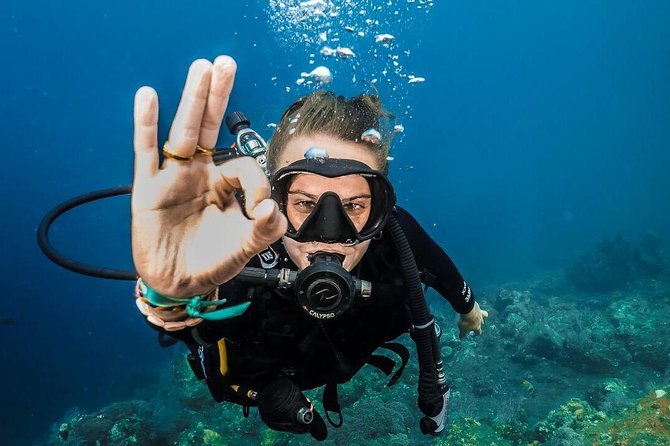
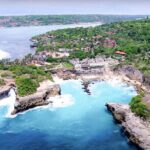
If you’ve ever imagined the moment you can breathe underwater and still feel in control, this is the practical way to make it happen. Nusa Lembongan sits near Bali but feels different—more island pace, more ocean focus, and plenty of places to teach beginners safely.
The big win is the blend of “learning mode” and “ocean reality.” You get structured skill practice first, then enough open-water time to prove you can handle buoyancy, communication, and basic procedures while you’re actually surrounded by real marine life. That matters for confidence. And confidence matters because your brain is learning a whole new set of sensations: breathing through a regulator, reading your depth, and moving without touching the seafloor.
You can also read our reviews of more tours and experiences in Nusa Lembongan.
What you’ll actually learn: SSI skills, shallow practice, then open ocean
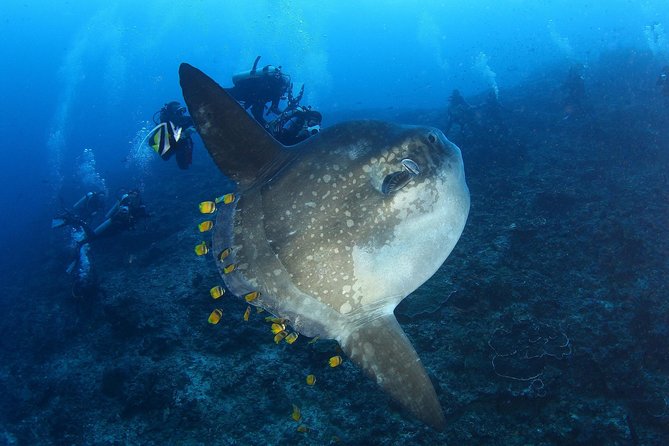
This is the SSI Open Water course, your first scuba certification. The target outcome is simple: you earn SSI certification and build the skills to reach 60 feet / 18 meters later on your own or with future dive buddies.
Step 1: Knowledge (so you’re not guessing)
You’ll develop your knowledge of diving basics—how the system works, how to stay safe, and what to do when something feels off. Even if you’re new, this step helps you understand what your body and gear are doing. It also reduces that scary unknown feeling that makes first timers tighten up.
Step 2: Practice in shallow water (beach or pool)
You’ll do basic exercise training in shallow water, at least 5 sessions. This is where you learn the essentials repeatedly, until it stops feeling like a checklist and starts feeling like a routine.
Practical note: shallow practice is where students usually gain the most “mental control.” You’ll learn how to equalize, control breathing rhythm, manage buoyancy, and practice key movements without the pressure of going deeper too soon.
Step 3: Open-water training outings (at least four)
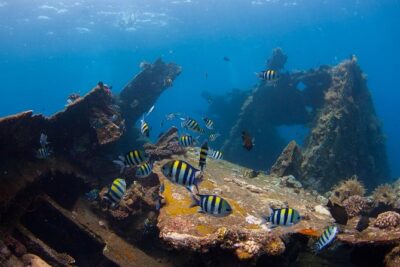
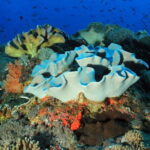
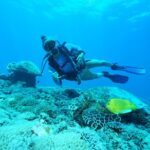
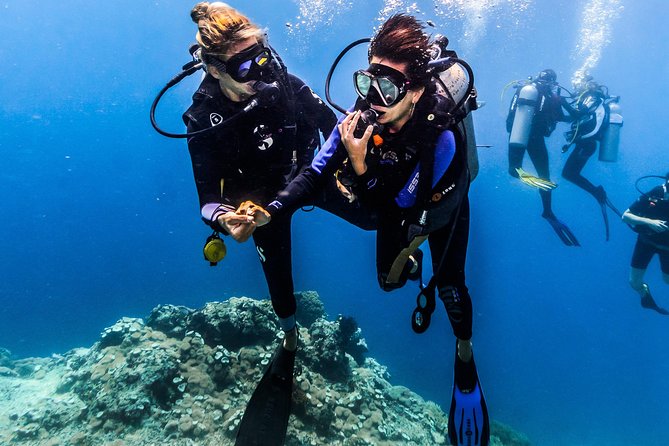
Then comes the open ocean portion: at least four ocean descents, plus training dives to practice technique. This is where you stop thinking only about skills and start noticing the scenery—coral, fish, and the fact that the underwater world has its own tempo.
Also, one of the nicest things about this format is that it’s not just about completing a minimum. Students commonly highlight that instructors adjust to the learner’s comfort level. Names that kept coming up include Silvère and Kaka, with praise for clear explanations and calm coaching when nerves show up.
The 3-day flow and what each stop is good for
The schedule is listed as about 3 days, even though the course description talks about a 2-day course. Either way, you should think of it as: multiple training blocks across a short window on the island, with your deeper water time spread across your program.
You’ll work from these areas:
- Crystal Bay
- Mangrove Point (Nusa Lembongan)
- Toyapakeh
- Jungut Batu Beach
Here’s how these stops tend to matter for a beginner’s course experience, even if conditions shift the exact plan:
Crystal Bay
This is a classic “serious-water” area in this region. For Open Water students, it’s typically where you see the payoff—visibility, ocean life, and the feeling of being in open water rather than a pool. It’s also a place where manta-ray encounters are often part of the marketing, so it’s worth paying attention to weather and timing on your days here.
Mangrove Point
Mangroves usually mean calmer water compared with fully exposed spots. That’s great for practicing comfort and control, especially early in the course or when the group needs a steadier pace. If you’re anxious, this kind of setting helps you get your breathing and movement sorted faster.
Toyapakeh
This area is often used for training outings because it gives you that “real ocean” context without turning the experience into chaos. It’s the kind of stop that helps you translate what you practiced shallow into what you can do while moving in the open water environment.
Jungut Batu Beach
This is where coastal access helps the flow of the course. Beach setups are useful because they keep logistics simpler and let you spend more time focused on skills and comfort rather than constantly reconfiguring everything.
One caution from real life: manta rays are a highlight, but access to specific manta-ray locations can depend on conditions. One student specifically noted it wasn’t possible to go to manta point on their schedule—so keep an open mind and let the course do what it’s best at: teaching you to be a safe, confident diver.
Your instructor matters more than you think
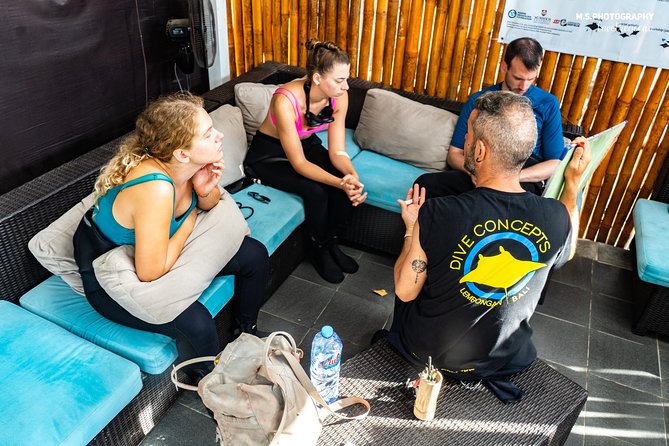
The course experience lives or dies by the instructor’s tone and pacing. In the feedback, several names show up repeatedly, and the pattern is consistent: people felt safe, got clear explanations, and were coached patiently.
Here are the instructor qualities that matter for Open Water students:
- Clear step-by-step teaching so you understand the why, not only the what
- Calm support during stress, especially on the first day
- Personal adaptation, so the training matches your comfort level
- Good communication at the moment, when underwater you can’t afford confusion
If you’re hoping for a confidence boost, this is the course to pick on purpose. Even one student who felt panicked during a first-day outing said their instructor stayed calm and patient. That’s the kind of coaching that turns “I’m not sure I can do this” into “I can learn this.”
Instructors named by students include:
- Loïc
- Silvère / Silvere
- Kaka
- Pablo
If you have a preference, ask in advance. (You can’t control everything, but a good school tries.)
Equipment, facilities, and why this setup reduces friction
This package includes the scuba equipment you need—mask, tank, fins, and the rest of the core kit. That’s not just convenience. It changes the whole experience when you travel: you’re not stuck hunting rental gear that doesn’t fit, or worrying about whether your kit is set correctly.
On-site comfort also helps you recover between sessions. The training facility is described as having:
- wifi
- lockers
- bathrooms, showers, and change rooms
- a restaurant
Between training blocks, those small things matter. You don’t want your day derailed by cold, wet misery or hunting down a place to rinse off and eat. You’ll be glad there’s a proper setup.
A small thing to note: digital souvenir photos/videos aren’t included. If you want those, budget extra.
Marine life expectations: manta rays, turtles, octopus, and more
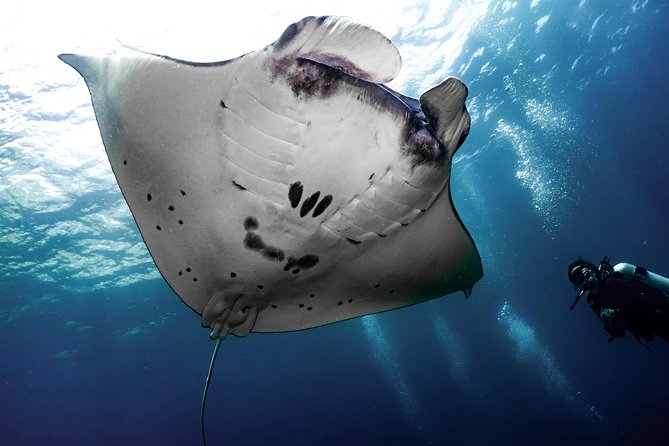
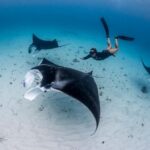
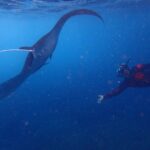
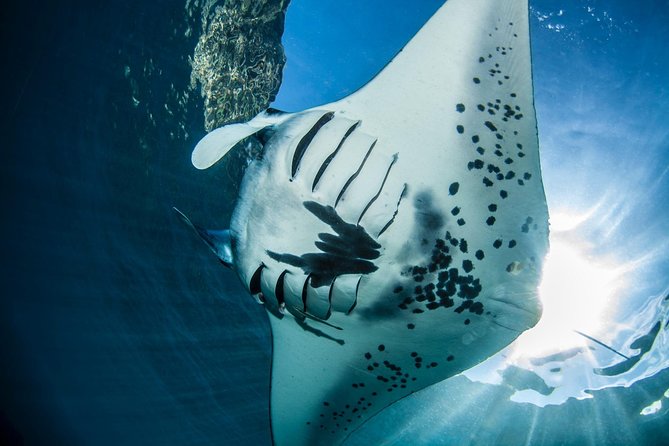
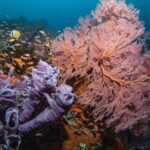
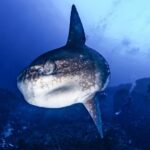
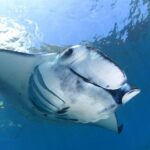
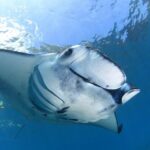
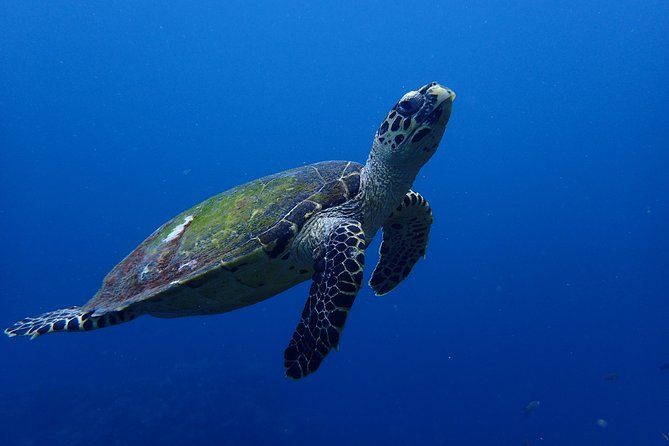
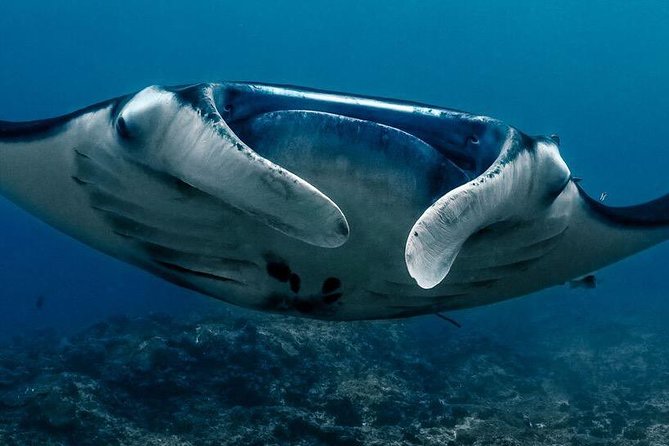
This course is clearly positioned for marine life. The standout highlight is the chance to see manta rays, and students also described encounters with turtles, octopus, sharks (sometimes), plus plenty of fish and coral.
A realistic way to think about it:
- You’re doing an Open Water course, so marine life is part of the reward.
- Manta-ray sightings are exciting, but they’re not guaranteed every single day or at every stop.
- If visibility and conditions are right, you can expect memorable wildlife moments.
The practical upside of learning here is that once you’re certified, you’ll have the experience to enjoy those sights with better awareness. You’ll know how to move slowly, watch your buoyancy, and not kick up the environment. That’s the difference between seeing wildlife and accidentally stressing it.
Price and value: is $461.48 reasonable?
At $461.48 per person for about 3 days, this isn’t “cheap,” but it’s also not random pricing. You’re paying for:
- SSI certification training structure
- a certified instructor’s time and supervision
- multiple shallow sessions plus at least four open-water training outings
- equipment included (mask, tank, fins, and the rest)
Value comes from what’s bundled. Many starter programs nickel-and-dime you with gear rental, gear checks, or extra charges once you’re already on the island. Here, the equipment is included, and the facility is equipped enough that you’re not bouncing around for basic comfort.
One more value factor: it’s a private activity for your group. That means your learning rhythm is yours, not a giant mixed group with different speeds. If you care about comfort and clarity, private can be worth it.
If you’re deciding between options, I’d compare based on the total learning time, included equipment, and the number of supervised open-water training outings—not only the sticker price.
Who should book this, and who should think twice
This course requires a minimum age of 10 years and calls for moderate physical fitness. If you can handle being underwater for training segments, being on your feet between sessions, and staying calm while learning new gear and techniques, you’re a strong candidate.
It’s a great fit if:
- you’re earning your first scuba certification
- you’ve been curious but want real structure and safety coaching
- you like clear instruction and patient support (especially if you tend to get nervous at first)
You might pause and reconsider if:
- you’re not comfortable with the idea of learning a new breathing system and following procedures underwater
- you’re expecting a zero-weather-impact schedule (weather can change plans)
Quick checklist before you go
This is the stuff that makes the course days smoother, even though the program handles most equipment:
- bring swimwear you can rinse and re-wear between sessions
- plan to eat and hydrate like you’re training (because you are)
- if you get anxious, tell your instructor early so they can pace you
- bring a way to capture your own photos if you care—since digital souvenir media costs extra
Should you book this SSI Open Water course on Nusa Lembongan?
I’d book it if you want your first scuba certification in a place where the training feels organized, the gear is handled, and the teaching style is patient. The consistent instructor praise—clear explanations, calm handling of nerves, and adapting to individual comfort—signals this school cares about real learning, not just ticking boxes.
I would think twice only if manta-ray sightings are the main reason you’re going. The program highlights manta rays, but conditions and access can change what’s possible on your exact days. If your goal is certification plus a strong chance at seeing cool marine life, that’s a solid match.
If you’re ready to take the first real step toward that new underwater world, this course is a practical, well-supported way to do it.
FAQ
How deep can I reach with SSI Open Water?
SSI Open Water certification here is for training to reach 60 feet (18 meters).
How many open-water training outings are included?
The course includes at least four open-water ocean descents, plus the required training dives and shallow practice work.
Do I get practice in shallow water first?
Yes. You do basic exercise training in shallow water (beach or swimming pool), with at least 5 sessions.
What scuba equipment is included?
The package includes the necessary scuba gear, from your mask to tank to fins.
What’s the minimum age?
The minimum age to do this activity is 10 years.
Is accommodation included?
No. Accommodation isn’t included, though dormitory and bungalows are available at the dive center.
Where does the course start?
The start point is Dive Concepts Lembongan, Nusa Lembongan, Jungutbatu, Kec. Nusa Penida, Kabupaten Klungkung, Bali 80771, Indonesia, and it ends back at the meeting point.