REVIEW · NUSA LEMBONGAN
Advanced Open Water Course – Advanced Certification in Lembongan (next to Bali)
Book on Viator →Operated by Dive Concepts Bali · Bookable on Viator
Great water skills start here. This SSI Advanced Open Water course in Nusa Lembongan builds on what you learned in Open Water with five supervised training sessions, including one that pushes you close to 30 meters (100 feet). It’s a less classroom-heavy step up, and the island’s marine life and sites help make the work feel worthwhile.
What I like most is the strong mix of certification goals and hands-on practice. You work on real systems—deep profile planning, the compass, and specialty interests like buoyancy control and photography options—so the course actually changes how you manage your scuba day. The second big plus: the operation looks built for comfort, with Wi‑Fi, lockers, and a straightforward setup for getting suited up, organized, and back out again.
One consideration: you’re required to already have Open Water certification, and the weather matters. If conditions don’t cooperate, expect scheduling to shift, and you’ll want to be flexible for a short course.
In This Review
- Key highlights worth knowing
- Why Lembongan is a smart step up from Open Water
- What you earn: SSI Advanced Open Water and a new depth limit
- The two-day flow: five planned underwater sessions across Lembongan sites
- Crystal Bay: settling your control before you go deeper
- Manta Point: motivation with real marine life energy
- Mangrove Point: using the environment for practical navigation
- Toyapakeh: practice time and method, not just scenery
- Jungut Batu Beach: end-of-course momentum and finishing strong
- Deep-adventure skills: planning profiles and handling the body
- Compass navigation: the skill that makes you stop guessing underwater
- Specialty choices: photography, buoyancy control, fish ID, and wreck exploring
- Equipment, instructor attention, and the small comfort wins
- Price and value: why $431.28 can make sense here
- Who should book (and who should plan a little more)
- Weather, flexibility, and timing your Lembongan trip
- Should you book Advanced Open Water in Lembongan?
- FAQ
- Do I need Open Water certification before I can take this course?
- How deep will I be able to qualify for during the course?
- How long is the course, and how many training sessions are included?
- What sites will we visit?
- What’s included in the price?
- Is there a limit on group size?
- What happens if the course can’t run due to weather?
Key highlights worth knowing
- SSI Advanced Open Water to 30m / 100 feet: you’ll qualify for deeper, more confident training under an instructor’s watch.
- Five training sessions in two days: not just “more experience,” but planned skill-building at specific underwater sites.
- Underwater navigation with a compass: you’ll practice time, landmarks, and kick-cycles so you stop guessing underwater.
- Deep-adventure planning + physiology focus: you learn how deeper profiles affect your body and decision-making.
- Comfort-focused dive shop setup: Wi‑Fi, lockers, showers, and changing rooms make the day easier between sessions.
- Small group size (max 5): more attention, less crowding, and quicker feedback loops in the water.
Why Lembongan is a smart step up from Open Water
Nusa Lembongan is a great place to sharpen scuba habits because it feels like a real island scuba circuit, not a generic pool-and-lecture program. You’re learning skills that matter when you’re farther from shore, at more demanding depths, and with more variables in play.
This course also has a practical teaching style. It’s described as less theory-centered than the Open Water course, which matters because you’ll remember what you do, not what you merely hear. If you’re the type who learns best by doing—brief explanation, quick in-water practice—you’ll likely feel at home.
And you’re not stuck on one theme. Along the way, you’ll choose a learning path with your instructor from a list of adventure-style options, so the course can match what you actually want to see or improve.
You can also read our reviews of more tours and experiences in Nusa Lembongan.
What you earn: SSI Advanced Open Water and a new depth limit
By the end of this 2-day SSI Advanced Open Water program, you qualify for deeper scuba training—up to 30 meters (100 feet)—with SSI certification. That matters because it signals you’ve moved beyond the basic competency stage and into more advanced planning and control.
The course is intentionally structured around multiple types of skill work:
- deep-related knowledge and decision-making
- navigation using a compass and practical reference methods
- three additional specialty areas based on your interests
This is where Advanced Open Water is more than a badge. It’s a bridge into future specialty certs and more confident exploration, because you’re practicing how to think like a diver who manages depth and direction—not just buoyancy.
The two-day flow: five planned underwater sessions across Lembongan sites
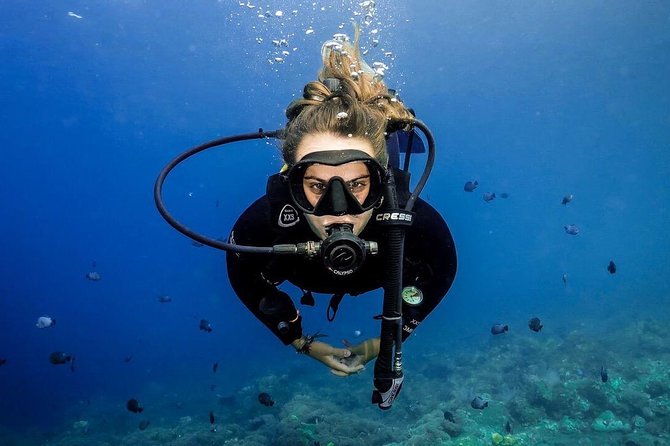
Your days are built around five training sessions, each tied to a specific goal and site. The locations include Crystal Bay, Manta Point, Mangrove Point, Toyapakeh, and Jungut Batu Beach. The short list is a good sign: it suggests your instructor spends time teaching instead of constantly relocating.
Here’s how to think about each stop, and what it usually means for your learning:
Crystal Bay: settling your control before you go deeper
Crystal Bay is a strong early-day anchor. Even when visibility is different from day to day, this type of site tends to be a place where your instructor can focus on calm technique: breathing, trim, buoyancy response, and staying aware of depth.
The practical value for you: if your buoyancy is still “a little floaty” after Open Water, this is where you can make quick corrections before the deeper work.
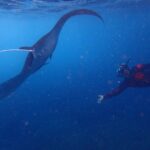
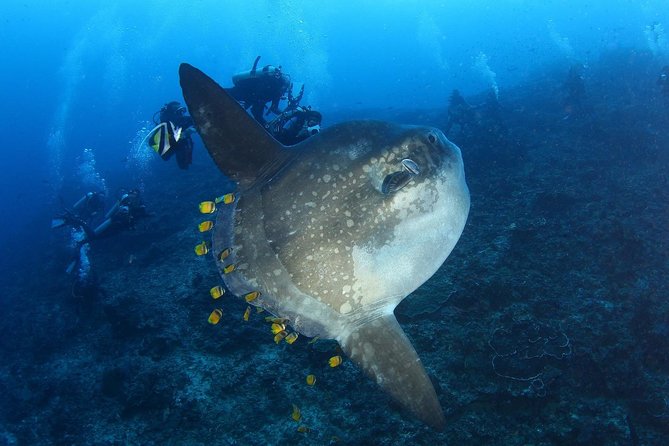
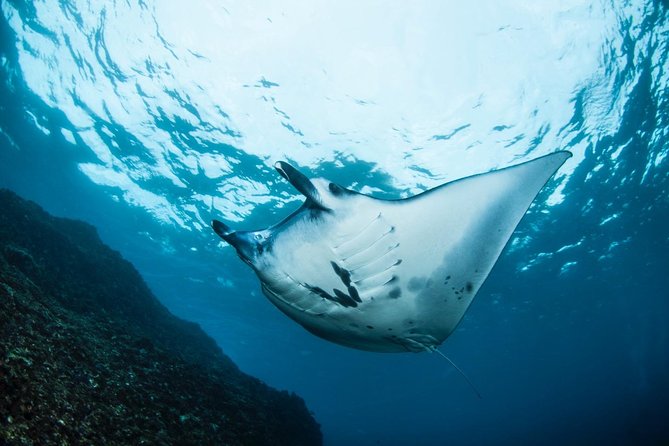
Manta Point: motivation with real marine life energy
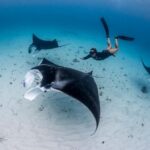
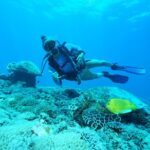
At Manta Point, the underwater atmosphere tends to push your attention forward. When you’re dealing with good wildlife chances, your job becomes staying controlled while your brain wants to chase what’s moving.
The course benefit: your instructor can steer your focus back to skills—positioning, controlled kicks, and staying task-oriented—while you still get the reward of seeing more.
Mangrove Point: using the environment for practical navigation
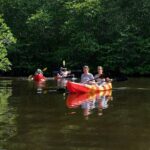
Mangroves change everything. There are more reference features, more visual cues, and more reasons to rely on the compass and time rather than “just follow what you see.”
The navigation value is real here. You’ll practice aligning your movements with a plan, not random swims, which helps you build the confidence you’ll need for less predictable future sites.
Toyapakeh: practice time and method, not just scenery
Toyapakeh is another stop that can support steady skill work. This is where you typically see the training shift from learning the idea to performing it cleanly.
If you struggle with task loading—like remembering compass steps while also managing buoyancy—this is where your instructor’s feedback matters.
Jungut Batu Beach: end-of-course momentum and finishing strong
By the time you reach Jungut Batu Beach, you’ve usually built rhythm. The learning goal becomes maintaining control when you’re tired, focused, and ready to finish.
The subtle value: it’s a good place to confirm that your technique isn’t just working at the start of a day. You should feel a bit more consistent as you close the course.
Deep-adventure skills: planning profiles and handling the body
One of the core parts of Advanced Open Water here is the deep-adventure module. You’ll learn how to plan deeper scuba profiles and how to respond to the physiological effects and challenges of deeper work.
That combination—planning plus body awareness—is what upgrades your safety thinking. It’s not about pushing farther for bragging rights. It’s about learning what changes when you go deeper: how you pace your breathing, how you manage time underwater, and how you keep decision-making sharp.
If you’ve ever felt rushed when depth creeps up, this is the section that helps you prevent that feeling from turning into a problem. You practice the mental math and habits that keep you calm.
Compass navigation: the skill that makes you stop guessing underwater
The course’s underwater navigation adventure module focuses on compass navigation with clear, practical methods. You refine how you use the compass, and you also practice navigation using:
- kick-cycles
- visual landmarks
- time
That list is important because it gives you redundancy. If visibility fades, you don’t collapse. You can still follow your plan using time and your kick count, then confirm with landmarks.
This is also where some students realize their comfort level isn’t really about buoyancy—it’s about direction and orientation. Once navigation clicks, a lot of “scuba anxiety” drops fast because you stop feeling lost.
Specialty choices: photography, buoyancy control, fish ID, and wreck exploring
Besides the deep and navigation work, you’ll complete three other skills connected to specialist areas of interest. The course format is designed so you can choose what matches your curiosity.
Examples of specialty directions mentioned include:
- photography
- buoyancy control
- fish identification
- exploring wrecks
Even if you don’t know yet what you want long-term, this structure is still valuable. You get exposure to different “ways of diving” and you see which tasks you enjoy enough to keep pursuing later.
If you’re thinking ahead to future training, this is also a shortcut. Instead of guesswork, you’ll learn what feels fun and what feels like a grind.
Equipment, instructor attention, and the small comfort wins
This program includes your equipment: masks, snorkel, fins, buoyancy control jacket, regulator, wetsuit, and weight belt, plus other instruments. That’s a big value piece because you’re not hunting rentals or sizing gear mid-trip.
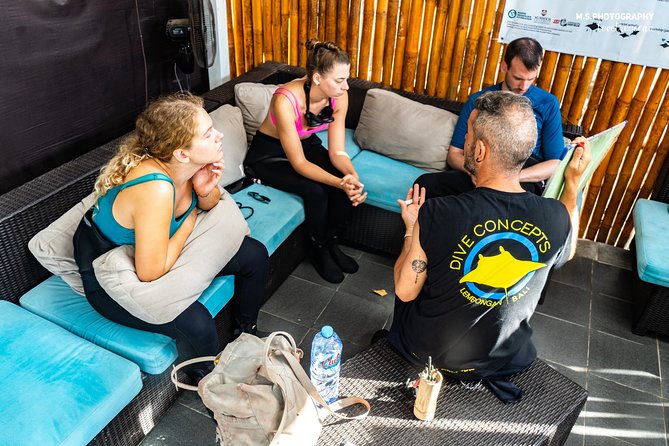
You also get a certified instructor and access to center facilities like Wi‑Fi, lockers, showers, and changing rooms. Those sound like minor perks until you’re doing multiple sessions in two days and you want a stress-free routine between them.
The small group size—up to five travelers—also matters for real instruction. It typically means more time for your instructor to watch your technique closely and correct it before it becomes a habit.
From the instructor names that show up with the program, you may be guided by people like Valentin, Kaka, Hugo, Sara, or Silvère. Either way, the consistent theme in the teaching style seems to be safety-first confidence and detailed skill feedback.
Price and value: why $431.28 can make sense here
At $431.28 per person for roughly two days, the price looks high at first glance. But here’s the value math that matters for you:
- You’re paying for five supervised training sessions.
- You’re getting the full core kit (wetsuit, weight belt, buoyancy control device, regulator, mask/snorkel/fins).
- You’re paying for certified instructor time plus site logistics across the Lembongan/nearby circuit.
- Center facilities are included (Wi‑Fi, lockers, showers, and change rooms).
What’s not included is accommodation and digital souvenir photos/videos. If you’re already staying near the meeting point area, that’s good news—you won’t lose extra days to transfers. If you do need lodging, the operator lists dormitory and bungalow options on-site, but those costs sit outside the course price.
Net: this price is mostly about instruction and equipment coverage, not just boat time. If you’re trying to get your Advanced Open Water credential efficiently with real feedback, it can be a good deal.
Who should book (and who should plan a little more)
This course is designed for people who have already completed Open Water certification. If you’re still brand-new, you’ll do yourself a favor by finishing Open Water first, because this program expects you to handle skills at a higher level.
You should also have moderate physical fitness, since you’ll be suiting up, moving in gear, and handling underwater tasks efficiently. None of that should feel like a fitness test, but it’s not a “sit still” course either.
Best fit:
- you want a structured step toward deeper, more confident scuba
- you like learning navigation and planning skills
- you want a course that’s hands-on more than lecture-heavy
Potential mismatch:
- if you hate time underwater or you get anxious with depth uncertainty, tell your instructor early. You’ll still learn, but your comfort level will depend on how well the program matches your pace.
Weather, flexibility, and timing your Lembongan trip
This experience requires good weather. That’s not a small footnote—Lembongan conditions can shift, and your day may adjust if seas or visibility aren’t suitable.
Because this is a short course, I’d plan your trip with some breathing room. Don’t stack another time-critical activity right beside it. Even when everything goes well, you’ll want margin for equipment prep and schedule flow.
Also, you’ll start and end at the same meeting point in Jungutbatu, with the activity running during the shop’s hours (listed as 8:00 AM to 8:00 PM). If you’re building an itinerary around your course, keep that general window in mind.
Should you book Advanced Open Water in Lembongan?
I’d book this course if you’re ready to move beyond Open Water into deeper planning, compass-based navigation, and skills you’ll actually use on future outings. The included equipment, small group size, and five-session structure are exactly what you want when you’re paying for coaching, not just scenery.
Skip or postpone if you don’t yet have Open Water certification, or if you know you can’t handle weather-related changes. Two days is short, and the course is weather-dependent—so flexibility is part of the bargain.
If you want my decision rule: pick this when you’re serious about earning the SSI Advanced Open Water credential with real skill upgrades, and when you want Lembongan’s sites to do more than entertain you. This is training that aims to follow you underwater, not just across a calendar.
FAQ
Do I need Open Water certification before I can take this course?
Yes. You need to have Open Water certification first. This course is designed as a next step with more experience under a professional instructor.
How deep will I be able to qualify for during the course?
The SSI Advanced Open Water certification qualifies you to dive to depths up to 30 meters (100 feet).
How long is the course, and how many training sessions are included?
The course runs for about 2 days and includes five training sessions.
What sites will we visit?
Your itinerary includes Crystal Bay, Manta Point, Mangrove Point at Nusa Lembongan, Toyapakeh, and Jungut Batu Beach.
What’s included in the price?
The price includes masks, snorkel, fins, buoyancy control jacket, regulator, other instruments, wetsuit, and weight belt, plus a certified instructor and dive center facilities like Wi‑Fi, toilet, shower, and lockers.
Is there a limit on group size?
Yes. The group has a maximum of 5 travelers.
What happens if the course can’t run due to weather?
This experience requires good weather. If it’s canceled due to poor weather, you’ll be offered a different date or a full refund.