This is one of those Bali days where your camera gets worn out before your legs do. The centerpiece is the Beji Guwang Hidden Canyon trek, with time to splash, climb, and hunt for photos in a real natural canyon setting. You’ll also move through major nearby sights, so the day feels like more than just a single activity.
What I like most is the small-group setup (max five people) and the simple hotel pickup and drop-off from Kuta. It helps you get out the door faster and keeps the vibe less chaotic, especially when everyone’s changing shoes and preparing for water.
One thing to plan for: the tour price doesn’t include entrance fees, listed as $25 per person, so your final cost will be higher than $50 once you add that in. Also, the canyon part is active, so bring gear for wet steps and rocks if that’s not your thing.
In This Review
- Key highlights worth planning around
- Hidden Canyon trekking at Beji Guwang: the real reason to go
- How the morning logistics actually set the tone (start 8:15 am)
- Tegenungan Waterfall: the scenic warm-up and photo checkpoint
- Goa Gajah: temple design that feels older than the tourist map
- Gunung Kawi (Candi Tebing): a longer pause at an archaeological site
- What’s included, what isn’t, and how to budget your real cost
- Swim-and-trek preparation: the gear choices that prevent misery
- The guide factor: why small-group days feel safer and smoother
- Pacing through a 10-hour day: how to keep the fun, not the fatigue
- Who should book this Hidden Canyon Trek (and who might skip it)
- Photo tips that match the reality of canyon trekking
- Should you book Bali Hidden Canyon Trekking in Beji Guwang?
- FAQ
- What time does the tour start?
- How long is the experience?
- Is hotel pickup and drop-off included?
- What is the group size like?
- Are entrance fees included in the $50 price?
- What does the tour include?
- Do I need moderate physical fitness for the trek?
- What are the cancellation rules?
Key highlights worth planning around
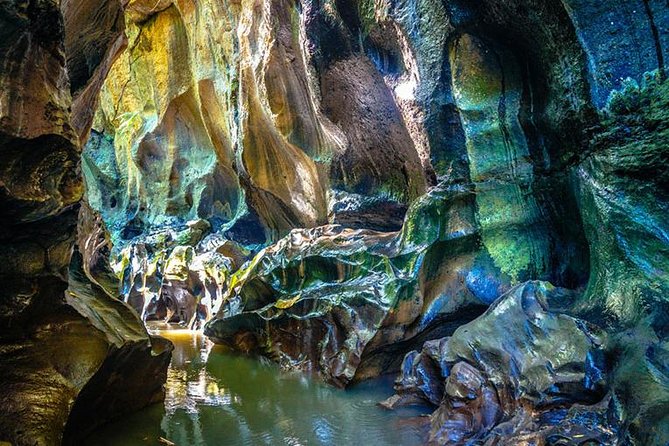
- Hidden Canyon trek at Beji Guwang with a shallow river, towering cliffs, and photo stops along the way
- Active swim-and-trek time where you’ll splash through water and clamber onto rocks
- Up to five people in a personalized pace that’s easier to manage than big buses
- Tegenungan, Goa Gajah, and Gunung Kawi in one long day with multiple strong scenery moments
- Hotel pickup and drop-off from Kuta plus bottled water to keep the day running smooth
Hidden Canyon trekking at Beji Guwang: the real reason to go
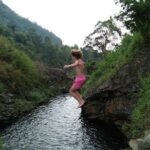
The day is built around one activity: walking into the canyon at Beji Guwang Hidden Canyon and spending time moving through the shallow river. This isn’t a boardwalk viewpoint kind of experience. You’ll be stepping into water, navigating uneven ground, and using the rocks for height and angles when you want those dramatic shots.
What makes it work so well is the mix of action and scenery. The canyon gives you cliffs rising around you, but the river is shallow enough that you can stay engaged without needing advanced swimming skills. You get that sense of being inside the place, not just looking at it from a distance.
The timing also matters. You’ll get about 1 hour at the canyon stop, which is long enough to take breaks, reset, and still feel like you did the activity—not just rushed through it.
If you’re hoping for a purely relaxing trip, this part will likely feel more like a workout. If you like active travel—mud on your shoes, changing positions for photos, and a guide helping you find safe footing—you’ll probably love it.
You can also read our reviews of more hiking tours in Kuta

How the morning logistics actually set the tone (start 8:15 am)
The tour starts at 8:15 am, which is ideal for Bali days like this. You avoid the worst of the heat while you’re doing the canyon portion and the early scenery stops.
Pickup and drop-off are designed to reduce friction: you’re picked up from your Bali hotel in Kuta and returned there after the full day. That’s one less stress item when you’re trying to fit swimming + trekking + temples into a single schedule.
Group size changes everything here. With a maximum of five travelers, you can move at a pace that doesn’t depend on a large crowd. It’s easier for your guide to notice if someone needs a slower route, and it’s easier for you to catch a photo without waiting for ten people to rearrange.
The tour runs about 10 hours total. That’s a full day, so plan for it like a day hike plus sightseeing: you’ll want a good breakfast, and you’ll want to keep track of what you’re wearing since you’ll likely get wet during the canyon section.
Tegenungan Waterfall: the scenic warm-up and photo checkpoint
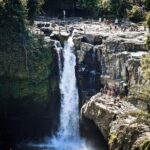
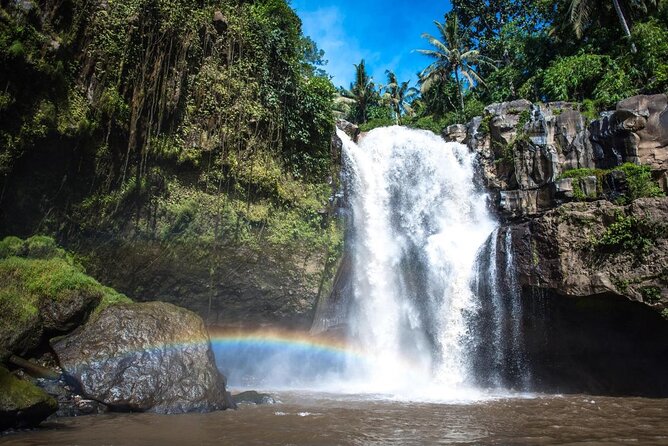
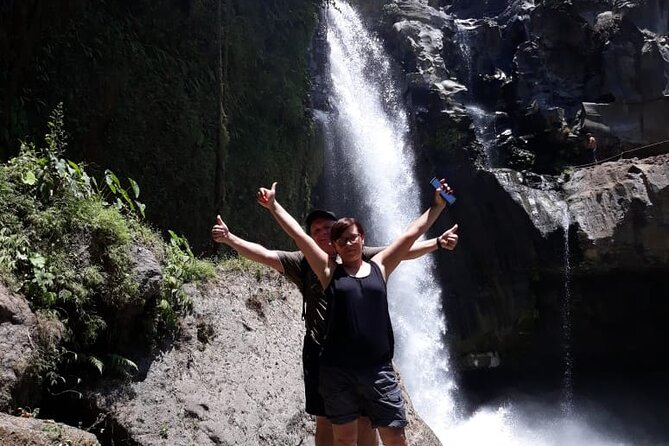
After the canyon, or as part of the same morning flow depending on your day’s route timing, you’ll get to Tegenungan Waterfall. It’s scheduled for about 45 minutes, which is a smart length if you want photos without turning it into a long waiting game.
Tegenungan has a reputation because it’s the kind of waterfall that shows well. You’re not just seeing a distant drop—you can frame it with people, cliffs, and surrounding greenery. Even if you’re not a serious photographer, it’s one of those places where everyone ends up taking a lot of pictures.
The value here is contrast. You go from water-and-rock movement in the canyon to a more open, dramatic waterfall scene. It keeps the day from feeling repetitive.
One consideration: you should expect wet moments or slick ground around water-based attractions. Even if the waterfall itself doesn’t require you to swim, you’ll still want footwear that can handle moisture and uneven areas.
Goa Gajah: temple design that feels older than the tourist map
Next up is Goa Gajah, also known as Goa Gajah Ubud Temple. This stop is about 45 minutes, and it’s a good fit after the physical canyon part because it shifts you from active movement to looking and wandering.
Goa Gajah is described as one of the island’s older temples and famous for phenomenal design. The practical takeaway for you: you’ll want to slow down here and actually look at shapes, carvings, and the way the site is organized. A temple stop can get rushed if you treat it like a quick photo waypoint, but this one works better when you spend a little time.
Because it’s protected as an archaeological site, you’ll likely find that the rules are more about respecting the location and keeping to the appropriate areas. You don’t need to know a lot of religious background to appreciate what you’re seeing—you just need time and a calm pace.
Drawback to note: you may not get a huge amount of free wandering time. 45 minutes passes quickly if you stop for lots of pictures and want to ask questions. If there’s a specific style you’re curious about, consider keeping your questions focused so your guide can answer in the time you have.
Gunung Kawi (Candi Tebing): a longer pause at an archaeological site
Your next temple stop is Candi Tebing Gunung Kawi, sometimes described as Gunung Kawi Temple. You’ll have about 1 hour here, and that extra time matters.
This site is tied to the Pakerisan River area and is listed as an archaeological site protected in Bali. In practical terms, that usually means you’ll be looking at carved structures and site details with care, and you’ll spend time observing rather than just checking off a landmark.
I like the pacing of having 45 minutes at Goa Gajah and then an hour at Gunung Kawi. It gives you room to settle your body after water and trekking, but it also avoids temple fatigue. By the time you’re here, you’ve likely stopped thinking about the canyon and started noticing the architecture and stonework.
The only real consideration is physical stamina. Even if you’re not doing canyon trekking here, you’ll likely be walking around a protected area. Wear shoes that are comfortable for walking on uneven surfaces.



What’s included, what isn’t, and how to budget your real cost
The base price is $50, and what you get for that is pretty straightforward: bottled water, hotel pickup and drop-off, and fuel surcharge.
What you should plan for is the entrance fee. Entrance fees are listed as $25 per person and not included. That means the “real” cost for an adult is closer to $75 total once you add this on top of the tour price.
Is it still good value? For me, the answer is yes if you want this exact combination: active canyon trekking plus several high-interest Bali stops in one day with a small group and transportation handled. If you only care about one waterfall or one temple, it might be better to pick a single focused tour. But if you want one long day that covers a lot of ground without you figuring out the logistics, this format tends to pay off.
Also, food isn’t included. Food and drinks aren’t included, and lunch isn’t specified as part of the package. Bring a plan for meals during the day: you’ll want something simple and filling that won’t slow you down.
Swim-and-trek preparation: the gear choices that prevent misery
You should treat this like an active day that involves water. The canyon is a shallow river trek, with time to splash through and climb onto rocks for photos.
The simplest practical advice: bring footwear made for wet ground. One of the best tips from the experience is that water shoes are recommended. If you don’t want gritty, painful rock steps later, this matters.
Beyond shoes, think in layers:
- Wear clothing you’re okay getting wet.
- Bring a change of clothes in case you’ll feel uncomfortable later in the day.
- Pack a small towel or something quick-drying if you can.
Because the day continues after the canyon with temple stops, you’ll want to look reasonable and comfortable when you shift into sightseeing. Wet clothes plus hot weather can be a long combo, so plan for a quick refresh when you can.
One more note: the tour is listed as moderate physical fitness. That doesn’t mean you need to be a mountain athlete. It does mean you should be comfortable walking on uneven terrain and handling a bit of climbing.
The guide factor: why small-group days feel safer and smoother
A big part of the quality here comes from the guides. In the experience data, guides named Km Sedana Artur, plus canyon-focused trekking support by Capung, are highlighted as making the day memorable and fun while keeping the adventure safe. Another guide name that comes up is Yogi, praised for friendliness and helping make the whole day enjoyable.
Even if you don’t care about guide personalities, this matters for your time. In a canyon trek, footing and route decisions affect everything. A good guide helps you move without overthinking each step, and that directly improves your enjoyment.
Small group size is the amplifier. With only up to five people, your guide can tailor attention to the group instead of playing traffic cop for a larger crowd.
If you’re shy about asking questions, this kind of setup still helps. You’ll likely feel comfortable stopping for clarification on where to go next, what’s safe, and how to handle wet sections.
Pacing through a 10-hour day: how to keep the fun, not the fatigue
This is a 10-hour experience, so pacing is the invisible ingredient. You’re moving between active and calmer parts: canyon trekking, a waterfall photo stop, then temple sites with shorter and longer viewing windows.
Use the time wisely:
- During active segments, focus on steady movement rather than perfect photos. You can get plenty of shots when the route slows down.
- During temple stops, take a few minutes to rest your legs before you start taking pictures.
You’ll likely feel the day more than you expect because you’re mixing water travel, walking, and standing. That doesn’t mean it’s extreme, but it’s not a casual stroll either.
If you want to maximize your comfort, plan your day like you’d plan a hike: water needs, shoe comfort, and being ready for some wetness.
Who should book this Hidden Canyon Trek (and who might skip it)
This tour is a strong fit if you want:
- Active sightseeing instead of just sitting in a car
- A mix of canyon adventure and major Bali stops in one day
- A small group format that avoids feeling rushed by a crowd
- Great photo opportunities at places like Tegenungan, Goa Gajah, and Beji Guwang
You might think twice if:
- You hate getting your feet wet or climbing on uneven rocks
- You’re looking for a low-effort day with minimal walking
- You don’t want extra costs on top of the base price (entrance fees apply)
Kids must be accompanied by an adult, so if you’re traveling with children, make sure everyone is ready for the physical nature of the canyon segment. The activity also asks for moderate physical fitness, so if you’re unsure, it’s worth considering how that fits your comfort level.
Photo tips that match the reality of canyon trekking
You’ll have plenty of chance for photos, but the best results come from matching your camera expectations to the terrain.
In the canyon, you’ll want shots that show scale: towering cliff faces, the shallow river line, and you at rock edges where the guide signals safe footing. The experience is built around those photo moments, so don’t be afraid to slow down briefly when your guide pauses the group.
At Tegenungan, think about angle and timing. Even with a short 45-minute stop, you can get variety by changing your viewpoint once or twice instead of taking the same shot over and over.
For temples like Goa Gajah and Gunung Kawi, use your time for details. The sites are known for design and archaeological value, so close-up angles often beat only wide skyline photos. It’s also the kind of location where a thoughtful pace makes the photos look better, because you’re not just rushing past.
Should you book Bali Hidden Canyon Trekking in Beji Guwang?
I’d book it if you want one memorable Bali day that mixes action with real sightseeing, and you like the idea of a small group with hotel pickup handled for you. The hidden canyon portion is the anchor, and the rest of the stops keep the day from feeling one-note.
Don’t book it if you’re not comfortable with wet, rocky trekking or you’re very budget-tight once you add the $25 entrance fee. Also, if you want a short, relaxed outing, the full 10-hour structure might feel like too much.
If you go in with the right shoes, a change of clothes, and a mindset that this is an active adventure day, you’ll likely leave feeling like the effort was worth it.
FAQ
What time does the tour start?
The start time is 8:15 am.
How long is the experience?
It lasts about 10 hours.
Is hotel pickup and drop-off included?
Yes. Hotel pickup and drop-off are included, with pickup from your Bali hotel in Kuta.
What is the group size like?
The tour is limited to a maximum of five travelers.
Are entrance fees included in the $50 price?
No. Entrance fees are not included and are listed as $25 per person.
What does the tour include?
Included items are bottled water, hotel pickup and drop-off, and fuel surcharge.
Do I need moderate physical fitness for the trek?
Yes. The tour says travelers should have a moderate physical fitness level.
What are the cancellation rules?
You can cancel for a full refund if you cancel up to 24 hours in advance of the experience’s start time. If you cancel less than 24 hours before, you won’t be refunded.