REVIEW · KUTA
Bali Scuba Diving at Nusa Penida Manta Point For Certified Diver
Book on Viator →Operated by Bali Diving · Bookable on Viator
Manta rays are the headline here. This SCUBA day trip from the Sanur area lines up three underwater spots around Nusa Penida, with a serious shot at manta rays at Manta Point. You also skip the hassle of kit shopping and packing, since equipment, lunch, and round-trip hotel transport from several Bali areas are handled for you.
What I like most is the mix of sites and time on the water: you’re not stuck doing just one look-around. I also like that the operation is built for certified divers who can handle current and conditions, and the guides are repeatedly called out for calm, helpful coaching (I’m seeing names like Ketut and Dul come up).
One drawback to plan around: the schedule depends on sea conditions, so the last underwater stop can change, and manta sightings aren’t guaranteed even with the strong odds. If you’re sensitive to motion or currents, you’ll want to take that seriously before you commit.
In This Review
- Key Things That Make This Nusa Penida SCUBA Day Work
- The 7:00 am Sanur Start and How the Day Feels
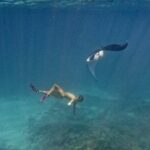
- Manta Point: Your Best Shot at Big Rays
- Crystal Bay: More Creatures, More Current to Respect
- Toyapakeh, SD Point, or Mangrove: Why the Third Stop Changes
- Price and What It Includes: Where the $180 Goes
- Certification Checks and Health Forms (Don’t Skip This Step)
- How Manta Sightings Really Work Here (And How to Improve Your Odds)
- Speedboat Timing, Sea Sickness, and Comfort Tips That Actually Help
- Food, Gear, and Small Details That Add Up
- Who This Trip Suits Best (And Who Should Look Elsewhere)
- Should You Book This Nusa Penida SCUBA Day?
- FAQ
- Is this activity only for certified divers?
- What underwater locations are included?
- Are manta rays guaranteed at Manta Point?
- What time does the tour start and how long is it?
- What’s included in the price?
- What should I bring?
Key Things That Make This Nusa Penida SCUBA Day Work
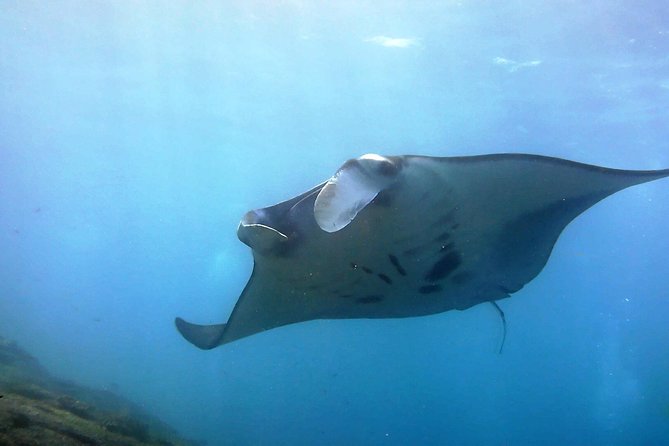
- Manta Point as the first target, aiming for manta rays with about a 75% chance when conditions cooperate
- Three underwater spots in one day, including Crystal Bay plus a flexible third location
- Small group size (max 8), which usually means more attention during check-ins and gear setup
- Everything included on the water, from equipment rental to lunch and mineral water
- Only for certified divers with recent experience, including a minimum of 10 logged dives in the last 6 months
The 7:00 am Sanur Start and How the Day Feels
This tour starts early, with the meeting point around 7:00 am near Sanur. The day runs about 8 hours total, and you’ll be moving from Bali by speedboat to Nusa Penida, then back again for drop-off at the same general meeting location. If you’re the type who likes slow mornings, set expectations now: this is a full day built around getting to the best water windows.
Pickup is available from select areas such as Kuta, Sanur, Legian, Seminyak, and Nusa Dua. That matters because Nusa Penida trips can waste time if you’re doing it all yourself. The tradeoff is you’ll be on someone else’s timetable, so don’t plan to squeeze in another major activity right after.
The operator also keeps the group small, with a maximum of 8 travelers. In practice, this usually means less crowding during gear prep and clearer communication during the day. You’ll still want to be organized—towel and change of clothes are recommended, and sunscreen isn’t included.
You can also read our reviews of more scuba diving tours in Kuta
Manta Point: Your Best Shot at Big Rays
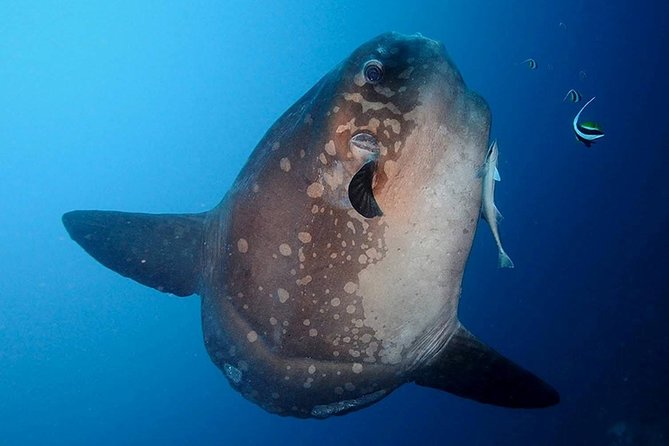
The first planned underwater spot is Manta Point, which is the reason this outing is so popular. The goal is to catch mantas gliding through the cleaning stations and swim paths, not just passively “hoping for something.” You do need to understand the real deal: visibility and water conditions can change fast here, so the mantas are not guaranteed.
The program states a 75% probability of seeing manta rays. That’s a strong odds figure for natural sightings, but it still means you should mentally prepare for a day where mantas don’t show up. If they do appear, the experience is the payoff—big animals moving with purpose, and a very different vibe than snorkeling.
Because this is the first session of the day, it also helps to show up focused. Being relaxed during the briefing and staying within your comfort range makes it easier to enjoy the moment if currents are present or if the entry/exit conditions are a bit more active than you expected.
Crystal Bay: More Creatures, More Current to Respect
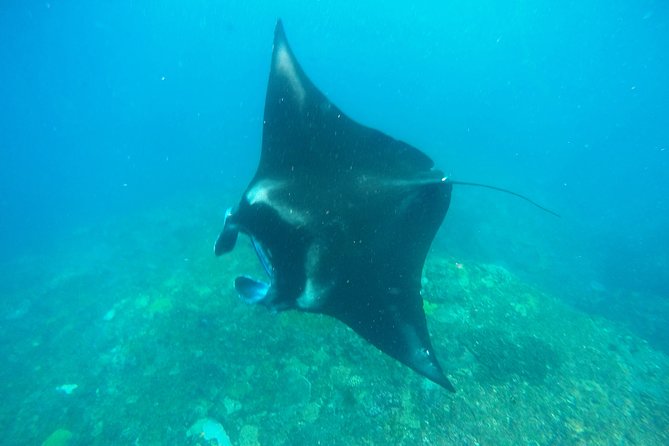
Your second underwater spot is Crystal Bay, a location known for variety. Here’s the important part: Crystal Bay can bring conditions that demand better buoyancy control and a steady mindset. Even when you’re a strong diver, you can feel currents and have to adjust plans on the fly.
This is also where your recent experience matters. The tour requires recent logged diving within the past 6 months and specifically asks for at least 10 logged dives. That isn’t there to be picky—it’s because Nusa Penida conditions can put you outside beginner comfort zones quickly.
One practical takeaway: choose gear and setup that you can manage instantly. If you get flustered when there’s movement, the second spot is where that shows. If you stay calm and follow the guide’s hand signals, Crystal Bay can deliver a wider range of marine life than many standard day plans.
Toyapakeh, SD Point, or Mangrove: Why the Third Stop Changes
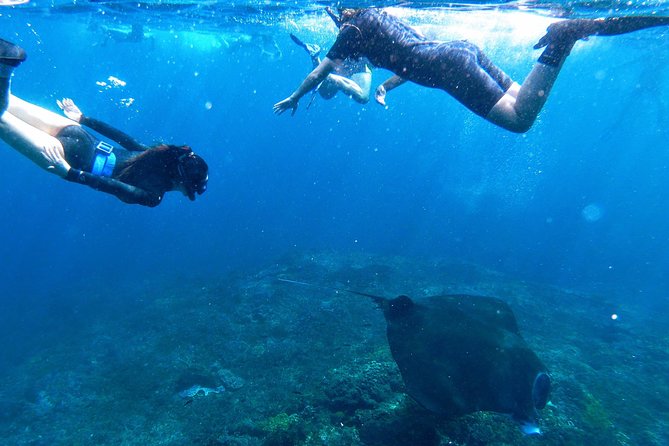
The third planned spot is flexible. Depending on the day’s conditions, it can be Toyapakeh, SD Point, or Mangrove. This is common in Nusa Penida because weather, swell, wind, and current determine what’s safe and what’s worth your time that day.
The “flexibility” part is why I like this itinerary for certified divers. Instead of forcing a fixed schedule that might get watered down by rough conditions, you’re more likely to get a worthwhile last session. The downside is you won’t know the exact final site until closer to the day, which can be annoying if you’ve done a lot of research and built expectations around one specific spot.
If your priority is manta rays, remember that mantas are targeted at Manta Point, so the third stop is more about rounding out the day with additional marine life and habitat variety. If you’re the kind of diver who loves coral and smaller wildlife, having a flexible location that adapts to conditions can actually be a win.
Price and What It Includes: Where the $180 Goes
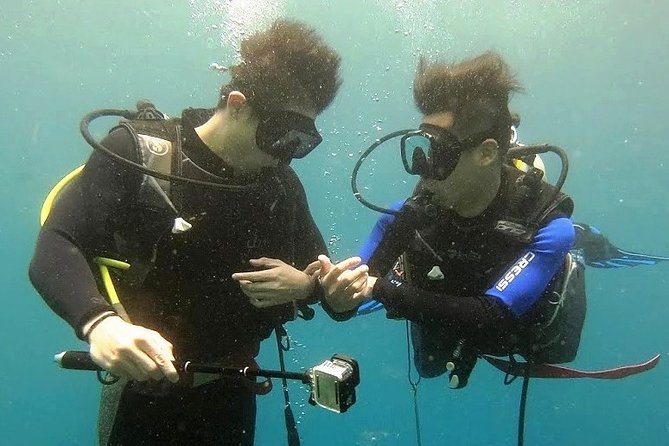
At $180 per person, this outing isn’t cheap, but it’s not overpriced for what you get—especially if you add up the “extras” that many cheaper trips leave out.
Here’s what’s included:
- Hotel pickup and drop-off from select Bali areas
- Equipment rental
- Lunch and mineral water on the boat
- An experienced dive guide
- 3 sessions by speedboat
- Reef tax / environmental management charge
- Diving insurance
What isn’t included:
- Towel and sunscreen
That bundled approach is the value. For example, if you were to self-arrange transport plus gear plus guide plus a basic day plan, it usually costs more than $180 and takes more time. The fact you’re getting three underwater spots also matters—this is a full day built around maximizing water time, not just one short visit.
One more quality clue: the tour includes reef-related fees. That doesn’t change your day underwater, but it signals the operator is covering environmental requirements tied to access and protection. For reef-focused travel, it’s a small thing that feels like the trip is designed to last.


Certification Checks and Health Forms (Don’t Skip This Step)
This is for certified divers only. You’ll need to show proof of certification, and the tour requires evidence of dive certification from participants. The program also includes a health questionnaire before you go in the water.
If you have any pre-existing medical conditions like asthma or heart conditions, you may be prevented from diving. The guidance is to consult your doctor. This is one of those “annoying but necessary” steps. It protects you, and it protects the guides, who are responsible for a safe day.
There’s also an age minimum: the program says minimum age is 14. If you’re planning this for a teen, make sure the certification and logged-experience requirements are truly met.
Finally, there’s a travel tip: diving within 24 hours of flying isn’t recommended. If you’re building your itinerary around flights, give yourself buffer time or plan the SCUBA day after you’re fully settled.
How Manta Sightings Really Work Here (And How to Improve Your Odds)
The program can’t guarantee mantas. But it does provide a useful probability: 75%. That’s a solid target, and it tells you the operator expects mantas to show up often when conditions align.
So what can you control?
- Be ready for the conditions at your first spot (Manta Point).
- Keep your breathing steady and your buoyancy clean.
- Follow the guide’s instructions quickly, instead of second-guessing.
The guides matter too. Names like Ketut and Dul show up in feedback as people who help divers settle in fast. That matters because when animals appear, you don’t want to be troubleshooting equipment or panicking about current.
Even if mantas don’t show, you’re still getting three underwater sessions across multiple sites, and the marine life at Crystal Bay and the flexible third stop can be genuinely rewarding. It’s a better plan than pinning your entire day on one single moment.
Speedboat Timing, Sea Sickness, and Comfort Tips That Actually Help
The trip to Nusa Penida is done by speedboat, and that means motion is part of the deal. One recurring practical note is to take caution for sea sickness. Even fit divers can feel rough seas if the ride is choppy.
What you can do:
- Bring what you normally use for motion sickness, if you have a history of it.
- Eat lightly before boarding, if you’re prone to nausea.
- Ask for seats that reduce bouncing if you have that option at check-in.
Also, think about what happens on return. After a long morning plus a full day, you’ll want to be comfortable on the boat back. Packing a change of clothes is a simple upgrade, and the tour recommends you do exactly that.
The speedboat day is also why the schedule starts early. More calm water windows can mean better conditions for the first planned spot, which is where mantas are targeted.
Food, Gear, and Small Details That Add Up
This tour handles equipment rental, which is a big deal if you’re traveling with limited luggage. You avoid the hassle of sourcing a shop in Bali, paying separate fees, and dealing with gear that may not match your comfort.
Lunch is provided, plus mineral water, so you’re not left hunting for food after you’re already tired from the boat ride. The program even mentions vegan and vegetarian options are available if you tell them during booking. That’s worth noting because many day trips either skip specialty meals or handle them as an afterthought.
On the boat, hydration is crucial. The included mineral water helps, but it’s still on you to sip steadily, especially if you’re prone to headaches after time in sun and wind.
One small thing: towels and sunscreen aren’t included. Don’t forget them. Even if you have a towel, add sunscreen to your packing list because reef-friendly or not, you’ll want skin protection on the surface.
Who This Trip Suits Best (And Who Should Look Elsewhere)
This is best for divers who are confident in conditions and have recent experience. The requirement of minimum 10 logged dives and recent dives in the last 6 months is a clear signal: this isn’t a try-it-once day.
If you:
- hold a certification
- can handle buoyancy and current comfortably
- are okay with the last spot changing depending on conditions
…then you’ll likely love this format. It’s built for people who want variety and longer time with marine life.
If you’re:
- just getting back into diving,
- light on logged experience,
- or worried about sea sickness and rougher surface conditions,
you might feel stressed rather than excited. In that case, consider a plan with calmer sites or shorter sessions that match your comfort level.
Also remember the real manta expectation. You’re targeting them hard, but you’re not guaranteed. If you need certainty, you’ll have a hard time; if you love the thrill of real nature, you’ll probably appreciate the odds and the quality of the overall itinerary.
Should You Book This Nusa Penida SCUBA Day?
I’d book it if your goal is a full day of underwater variety with strong manta odds, plus the convenience of transfers, equipment, reef fees, and lunch all handled in one package. The small group size and the focus on certified divers with recent experience point to a safer, smoother day on the water.
I wouldn’t book it if you want an easygoing day that feels beginner-friendly, or if you’re very worried about sea conditions and motion. The program itself can’t control weather, and Nusa Penida can throw curveballs—especially in the boat ride and the choice of the final stop.
If you’re a qualified diver ready for a serious Nusa Penida itinerary, this is the kind of day that makes Bali’s underwater side feel real, not just like a side quest. Just pack a towel, bring sunscreen, and set your expectations for mantas to be exciting odds, not a promise.
FAQ
Is this activity only for certified divers?
Yes. You’ll need evidence of dive certification, and you must meet experience requirements. The program also requires a minimum of 10 logged dives with recent diving in the past 6 months.
What underwater locations are included?
The first spot is Manta Point, the second is Crystal Bay, and the third is Toyapakeh / SD Point / Mangrove depending on that day’s conditions.
Are manta rays guaranteed at Manta Point?
No. The program states that mantas can’t be guaranteed due to natural conditions, but the probability is listed as 75%.
What time does the tour start and how long is it?
It starts at 7:00 am and runs about 8 hours total, with the activity ending back at the meeting point.
What’s included in the price?
Included are hotel pickup and drop-off from select areas, a reef tax/environmental management charge, free equipment rental, an experienced guide, diving insurance, lunch and mineral water, and 3 sessions from a speedboat.
What should I bring?
Bring a towel and a change of clothes (recommended by the tour). Towel and sunscreens are not included, so you’ll want to pack them yourself. Vegan and vegetarian lunch options are available if you request them at booking.