REVIEW · KUTA
Fun Dive Nusa Penida Bali – For Certified Divers
Book on Viator →Operated by Blue Season Bali · Bookable on Viator
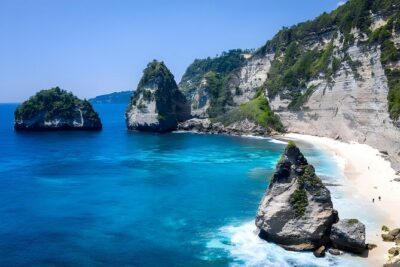
Early mornings, big marine life potential. That’s the deal on this certified Nusa Penida day trip from Sanur.
I like the small-group setup (max 10 people), which makes it feel more controlled when you’re dealing with real currents around the island. I also like that the trip is built around three different reef stops—often Manta Point, Crystal Bay, and SD (Sekolah Dasar)—so you’re not just crossing your fingers in one place.
One thing to keep in mind: Manta Point isn’t guaranteed, and conditions can change fast. If the sea state is unsafe, they’ll swap to another site—and the policy says there are no refunds for trips that don’t include Manta Point.
In This Review
- Quick highlights before you go
- The value: what you’re really paying for
- Morning run from Kuta area with a quick boat transfer
- Safety expectations for certified participants (and why they matter)
- The typical plan: three reef stops with lunch in the middle
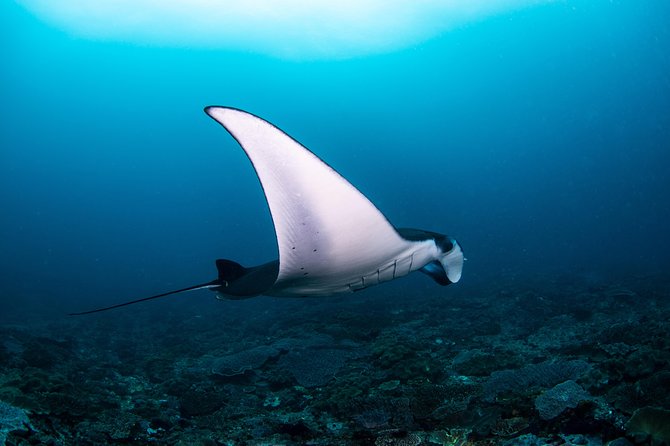
- Manta Point: the hotspot, but conditions decide
- Crystal Bay: corals and clear-water odds
- SD (Sekolah Dasar): drift-style reef action along the north coast
- Boat comfort and gear setup: the “small stuff” that keeps you calm
- Guides and DM-style support: what shows up in the reviews
- Weather reality: why Manta Point can change last-minute
- Who this is best for (and who should skip it)
- The practical packing list mindset
- Should you book? My take on the decision
- FAQ
- What time is pickup?
- How long is the trip?
- How many underwater sessions are included?
- Where do they usually take you?
- Is Manta Point guaranteed?
- What scuba experience do I need?
- Is equipment included?
- Is lunch included?
- Is dive insurance included?
- What if I have motion sickness?
- What’s the cancellation policy if weather is bad?
Quick highlights before you go
- Three separate underwater sessions planned in one day, with lunch in between
- Max 10 people, so your in-water attention stays high
- Real safety screening: minimum training, recent certification use, and experience with deeper/current conditions
- Manta Point timing depends on swell, so plan for alternatives
- All the basics included: equipment, towels, lunch, and insurance
- Staff support often mentioned by name, including guides like David, Guna, Pierre, Rendi, Wayan, Dayat, and Brandy
The value: what you’re really paying for
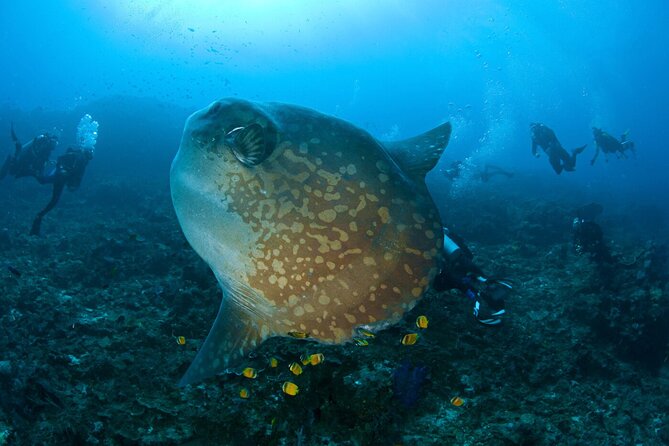
At $278.28 per person, the price only feels high if you compare it to a DIY boat day with zero gear and no insurance. Here, you’re paying for a full operating system: transport, a high-speed boat, scuba equipment, lunch, and dive insurance included in the package.
That matters more on Nusa Penida than in calmer places. You’re leaving early, running multiple reef stops, and working in an area that can bring strong currents without much warning. When the operator covers the “infrastructure” side, you get to focus on the one job you actually want to do: see marine life and stay safe.
The day also runs like a professional schedule, not a vague “we’ll try” outing. Pickup starts around 6:30–7:00 am, you’re back by about 3:00 pm, and the boat ride to your first reef stop is roughly 45 minutes. If you like your travel days organized, this fits.
You can also read our reviews of more tours and experiences in Kuta.

Morning run from Kuta area with a quick boat transfer
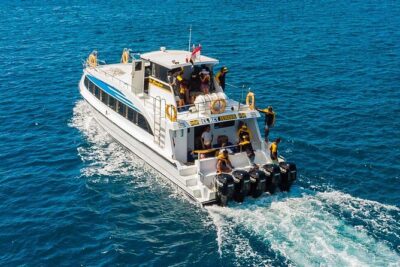
Even though the pickup is tied to the Kuta/Sanur area, the rhythm is simple. You’ll get picked up around 6.30–7.00 am in an air-conditioned vehicle. Then it’s a short transfer—about 5 minutes—to board the high-speed boat.
That short transfer is a small detail, but I like it. It reduces the “stuck in traffic in wet clothes” feeling that can happen on long island hops. Plus, starting early is practical here: better light, calmer logistics, and often more stable morning sea conditions.
The boat portion is about 45 minutes to the first reef stop. You’ll want to treat that as part of the experience, not a boring pause. The ride gives you the time gap to hydrate, settle your gear, and mentally switch from land mode to underwater mode.
Safety expectations for certified participants (and why they matter)
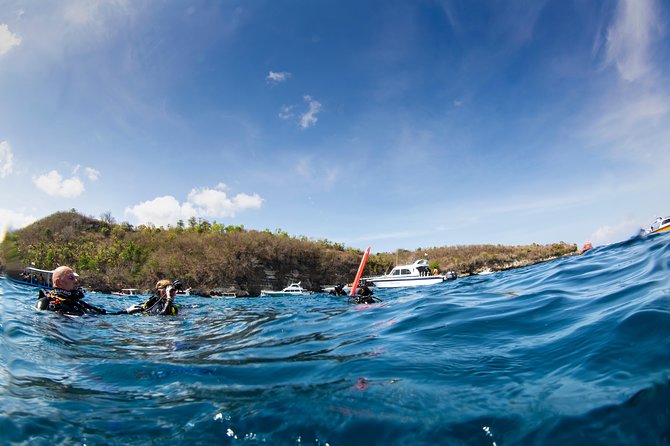
This trip is for people who already have the training for Nusa Penida’s conditions. The requirements are firm, and that’s a good sign, not a nuisance.
You’ll need:
- At least 30 logged underwater sessions
- Advanced Open Water certification
- Experience with deeper and current-assisted underwater work
- Been active recently: you must have had an underwater session in the last 6 months
They also require you to fill out a medical form, and if you answer yes to any question, you’ll need a doctor’s note.
The practical reason for all this is simple: Nusa Penida’s visibility and wildlife can be stunning, but conditions can include strong currents. A current-ready plan reduces risk and helps the guide keep everyone together. If you meet their thresholds, you’re more likely to feel challenged in a good way, not overwhelmed.
The typical plan: three reef stops with lunch in the middle
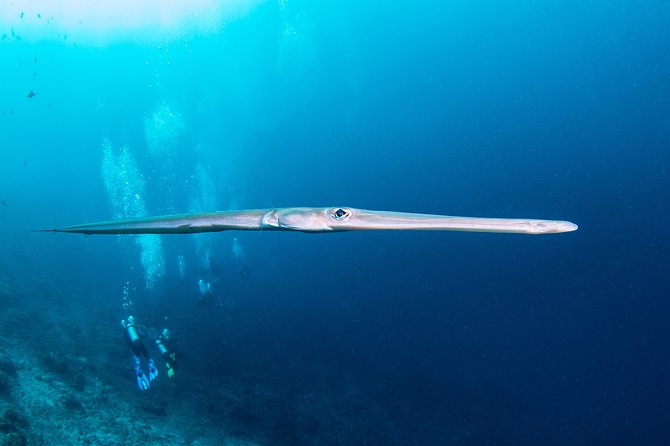
This day trip is structured around three underwater sessions. Lunch happens between sessions, and you return to the Sanur dive base around 3:00 pm.
Here’s what those reef stops usually aim to deliver:
Manta Point: the hotspot, but conditions decide
Manta Point is the headline for many scuba schedules to Nusa Penida. It’s known for a high chance of seeing manta rays. If you’re lucky, you might also spot reef octopus on the large limestone formations, plus bamboo sharks.
The big catch is that Manta Point can experience swell, and the operator notes that surface motion can cause seasickness for sensitive people (and small children). They also say they might not always be able to visit it due to surface conditions.
Here’s the straight talk: don’t plan your day around one single outcome. They’ll choose an alternative site if conditions make Manta Point unsafe. And per the policy provided, no refunds are offered for trips that don’t include Manta Point.
If you’re motion-sensitive, it’s worth preparing before you go—hydration, light meals, and basic seasickness planning.





Crystal Bay: corals and clear-water odds
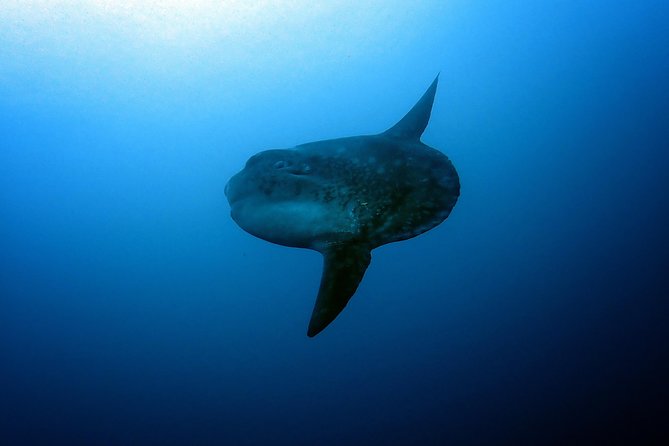
Crystal Bay is another common stop, and it’s described as a favorite all year around, especially during Mola Mola season. The selling point is superb corals and very clear waters, which is exactly what you want when you’re trying to enjoy the reef, not just “get through” a current.
For certified participants, clear water changes the whole mood. You spend more time looking around instead of checking your depth and footing. You also get better photo conditions, assuming you bring a camera housing that you’re comfortable with.
SD (Sekolah Dasar): drift-style reef action along the north coast
SD is named after the village school on the coast. The site is known for being one of the most popular drift-current reef swims at Nusa Penida. It runs along the northern coast, and the way it’s described suggests you’re not simply hovering over one patch—you’re following the reef’s lines and terrain.
This is also one reason the certification requirements matter. Drift-current work is a specific skill set. If you’ve got the training and recent practice, you can enjoy the flow rather than fight it.
If you haven’t done current-assisted work before, this isn’t the right day to learn. Stick to what the operator is asking for.
Boat comfort and gear setup: the “small stuff” that keeps you calm
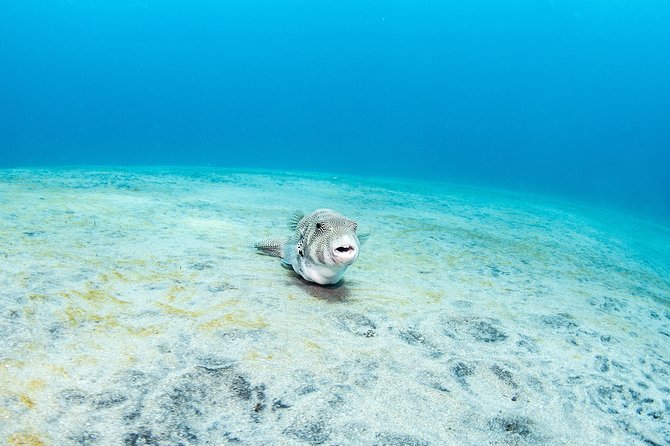
The reviews highlight that the team runs the day with strong professionalism, and that often shows up in how the boat feels and how gear is handled.
One review notes a comfortable boat with plenty of shade and a good setup for dive gear. Even if you’re not thinking about shade, you will feel it. Penida days can be long, and waiting between sessions is easier when you’re not baking.
You also get towels, bottled water, coffee/tea, and a welcome drink at the dive base. Lunch is included too. That list matters because it reduces the “find food, then race back” pressure during a packed day.
Also included: scuba equipment and dive insurance. In a place where currents and conditions can change, “your kit is provided and inspected” is a real value lever.
Guides and DM-style support: what shows up in the reviews
The strongest repeated theme in the feedback is care and communication. People call out guidance that’s both professional and patient, even for divers returning after a break.
Specific names show up:
- David and Guna are mentioned for professionalism and friendliness, along with patience
- Pierre is praised for explaining each underwater session well and making everyone feel safe
- Rendi and David are also credited with making the experience unforgettable
- Wayan, Dayat, and Brandy are thanked for a smooth, organized experience, including a focus on underwater photography
Even without seeing their exact coaching style, the pattern is clear: they’re attentive in the water and focused on making sure you understand what you’re doing.
That matters on Nusa Penida, where the “how” (current awareness, entry/exit control, buoyancy, timing) is as important as the “what” (manta rays, octopus, corals).
Weather reality: why Manta Point can change last-minute
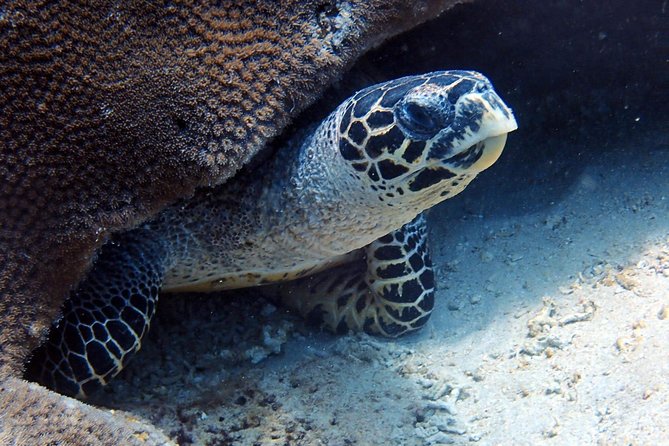
The operator is clear that Nusa Penida can bring strong currents, and that Manta Point can involve swell. They’ll pick alternative sites based on what day you get.
This is one of those trips where you should treat conditions as part of the plan, not a failure. If the sea state is unsafe, you don’t want to be the person pressuring the group to do something risky.
The no-refund note for missing Manta Point is worth absorbing before you book. If you’re booking purely for the manta-ray lottery, you may want a backup mindset.
Who this is best for (and who should skip it)
This is a good fit if:
- You’re already Advanced Open Water level or above
- You have recent underwater experience (within the last 6 months)
- You’ve logged enough sessions to handle currents and deeper profiles
- You want a structured day with three different reef stops, not a one-site gamble
It’s not a good fit if:
- You get motion sick easily and can’t handle swell at the surface
- You don’t meet the minimum training requirements
- You have a flight in the next 24 hours (they say it’s not suitable due to scuba regulations)
In other words, this isn’t for “maybe I’ll be brave today.” It’s for people who already know what Nusa Penida demands.
The practical packing list mindset
You’re not being asked to bring much that isn’t normal for a day on the water, but you should think in categories.
1) Comfort for a long day
You’re out early and returning by 3 pm. Use the included water and towels, but bring what helps you feel human while you wait between sessions.
2) Motion and heat planning
Manta Point may involve swell. You can’t control the sea, but you can control how prepared you are.
3) Photo and buoyancy confidence
One set of reviews specifically mentions underwater photography support, so if you plan to shoot, make sure you’re comfortable with your current-level buoyancy and timing. The more relaxed you are underwater, the better your photos tend to be.
Should you book? My take on the decision
I’d book this if you’re a certified participant who wants a full, high-probability day across multiple reef types on Nusa Penida—especially if you meet the current/depth experience requirements and you’re comfortable with the idea that Manta Point depends on conditions.
I’d hesitate if manta rays are the only reason you’re there and the risk of missing Manta Point feels unacceptable. You’ll still get an experienced, planned day at Crystal Bay and SD when conditions don’t cooperate.
One smart decision rule: if you can roll with alternatives and you’re serious about safe current-friendly underwater work, this trip’s structure and included value make it a strong choice.
If you’re simply collecting checkboxes, pick a different day plan. Penida rewards the people who show up ready.
FAQ
What time is pickup?
Pickup is typically around 6:30–7:00 am.
How long is the trip?
The full day is about 9 hours (approximately), with return to the Sanur dive school at around 3:00 pm.
How many underwater sessions are included?
The plan is three underwater sessions.
Where do they usually take you?
Common reef stops include Manta Point, Crystal Bay, and SD (Sekolah Dasar), depending on sea conditions.
Is Manta Point guaranteed?
No. Manta Point can be affected by swell, and it’s not always possible. An alternative site may be chosen, and no refunds are given if Manta Point is not included.
What scuba experience do I need?
You need at least 30 logged underwater sessions, Advanced Open Water certification, experience with deeper and current-related underwater work, and a session within the last 6 months.
Is equipment included?
Yes. Scuba equipment use is included.
Is lunch included?
Yes. Lunch is included between sessions.
Is dive insurance included?
Yes. Dive insurance is included.
What if I have motion sickness?
Manta Point can involve swell, and sensitive people may experience seasickness. The operator specifically flags this risk for those sensitive to motion sickness and for small children.
What’s the cancellation policy if weather is bad?
You can cancel for a full refund if you cancel at least 24 hours in advance. If the trip is canceled due to poor weather, you’ll be offered a different date or a full refund.