REVIEW · NUSA LEMBONGAN
PADI Open water Course in Lembongan – Get certified & dive anywhere in the world
Book on Viator →Operated by Bali Diving Academy · Bookable on Viator
A three-day scuba certification in Lembongan can sound simple, but the details matter. This course is built around small groups (max 4) and a strong safety-first teaching approach, so you get more one-on-one attention while you learn. I also like that the theory is PADI e-learning plus instructor review, which keeps your first training days focused and efficient.
The main drawback to plan for is that the schedule depends on ocean conditions. If weather is rough, your course may shift to another date (or be refunded only in weather-cancel cases), so be flexible.
In This Review
- Key Points Worth Knowing
- Meeting Point in Jungut Batu and a Clean 8:00 Start
- The 3 Days: How Theory Turns Into Underwater Control
- Day 1 in Confined Water: Learn Gear and Buoyancy Without the Pressure
- Days 2–3: Open-Water Sessions Around Nusa Penida
- Small Groups and Instructor Support: Why This Matters for First-Timers
- Equipment, Comfort, and What You’ll Do on the Boat
- Price and Value: What $425 Buys in Real Learning Time
- Who Should Book This Course in Lembongan
- Should You Book It?
- FAQ
- How long is the PADI Open Water course in Lembongan?
- Is the theory part online?
- What does the certification allow you to do?
- Where does the course take place?
- What is the group size?
- What fitness level do you need?
- What is the cancellation/refund situation?
Key Points Worth Knowing
- Max 4 students means calmer pace and quicker feedback when you’re learning buoyancy and control
- PADI e-learning theory you can do before you arrive or during the 3 days
- Day 1 is confined-water skills so you practice gear use in a controlled setting
- Days 2–3 are open-water training with four open-water sessions that apply your new techniques
- Safety emphasis is a core promise, and multiple instructors in past groups have been praised for staying calm and thorough
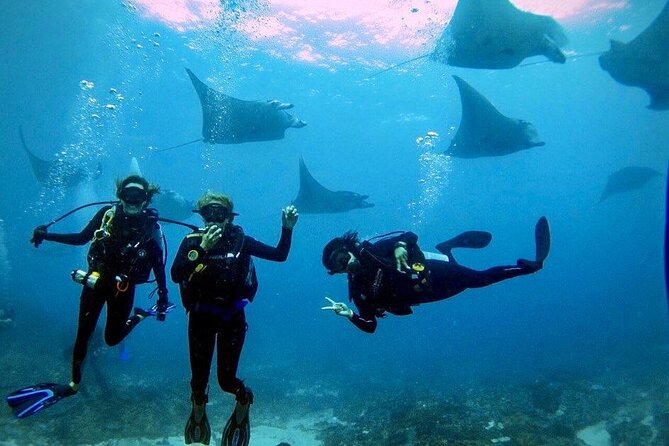
- Reef wildlife is a real highlight, with students reporting sightings like turtles and octopus
Meeting Point in Jungut Batu and a Clean 8:00 Start
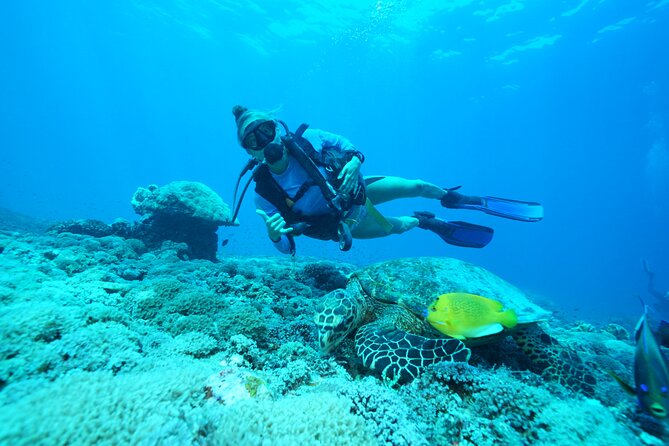
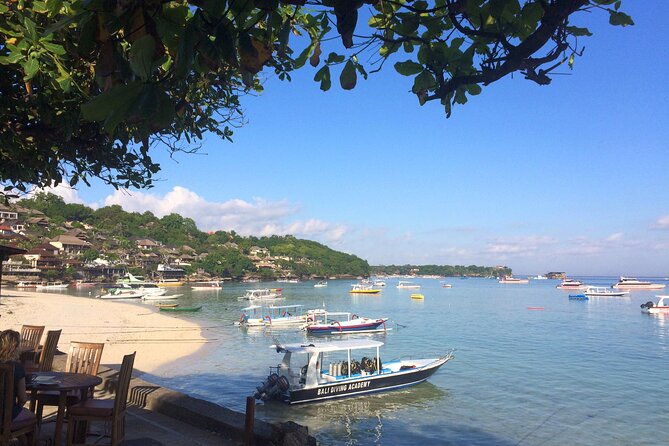
Your course starts at Bali Diving Academy Lembongan in Jungut Batu (inside the Nusa Lembongan area). The daily start time is listed as 8:00 am, and that matters more than you’d think. Early departures often mean smoother water and more consistent visibility, plus it keeps the whole day from stretching into late evening.
Lembongan is a great base for learners because it’s close to the classic sites around Nusa Penida. That also means your first “real water” training days can feel connected to the scenery you came for, not just classrooms and gear drills.
If you’re the kind of person who likes to have a routine, this is one: show up on time, get briefed, gear up, practice, then go again tomorrow. The course structure is designed to build confidence in steps, not all at once.
You can also read our reviews of more tours and experiences in Nusa Lembongan.

The 3 Days: How Theory Turns Into Underwater Control
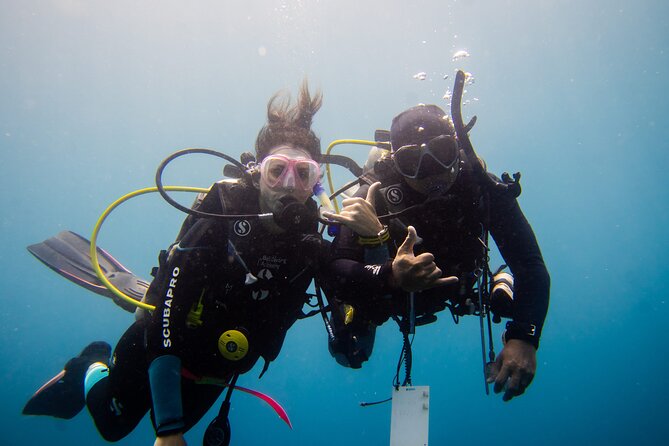
This is a 3-day PADI Open Water certification course. The overall logic is simple: learn the concepts first, practice the skills safely, then use them in open water.
Here’s how the days typically break down:
- Theory (PADI e-learning + instructor review): You can do it before you start, or during the 3 days. Either way, your certified instructor reviews it with you.
- Day 1: Confined water training (pool session style) where you learn core scuba basics in a controlled environment.
- Days 2–3: Open-water sessions (open-water training 1 through 4), where you apply those skills and start exploring the local marine environment.
Why this structure is valuable for you: if the theory stays theory, it can feel abstract. If the skills stay skills, they can feel shaky. This course forces both to click together—ideas in the morning, gear and breathing control in the water, then open-water practice the next day.
Also, you’ll want to be mentally ready for the learning curve. First-day buoyancy and breathing control can feel strange, and that’s normal. The course is built to help you get comfortable with the basic mechanics before anyone asks you to do more adventurous tasks.
Day 1 in Confined Water: Learn Gear and Buoyancy Without the Pressure
The first training day is your “safe practice” day. Confined water sessions focus on the fundamental mechanics of scuba—things like using your equipment correctly and getting your buoyancy stable.
For many people, this is where anxiety drops. Not because the training is easy, but because it happens in a controlled space where mistakes aren’t punished by waves, distance, or limited visibility. You can take your time, repeat skills, and learn what to do when something feels off.
This is also where you’ll start building the mental checklist that keeps you calm later: breathe steadily, stay aware of depth and position, and focus on control rather than speed.
From the positive teaching stories, a recurring theme shows up: instructors who are patient, calm, and systematic. For example, past students praised Carlos for being patient and competent, and others highlighted instructors like Tom for being reliable and calm during the course.
That tone matters. If you’re learning for the first time, the difference between rushed and methodical teaching is huge.
Days 2–3: Open-Water Sessions Around Nusa Penida
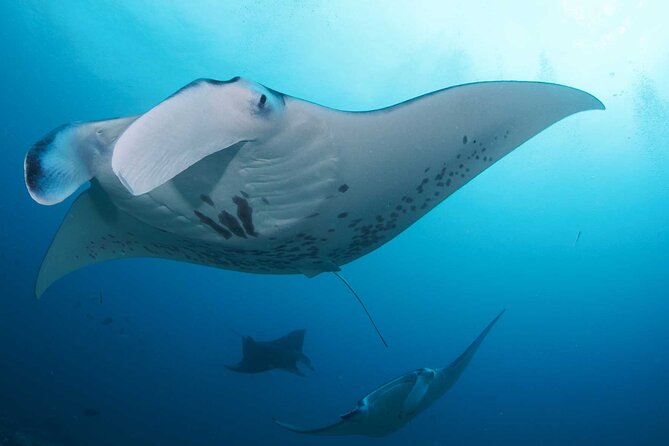
Once you’ve practiced in confined water, the course moves into open water for four open-water sessions. This is where the certification stops being a school exercise and turns into actual underwater experience in real ocean conditions.
You’ll spend time in the water applying your skills while also experiencing what makes this region popular. The Lembongan base is designed for access to Nusa Penida, and that’s where the “big scenery” energy tends to come from.
What you should expect underwater during these sessions:
- More movement and light changes than in a pool
- The need to manage buoyancy while swimming near the reef area
- A focus on safe procedures and controlled practice, not freestyle performance
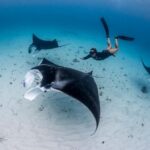
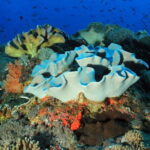
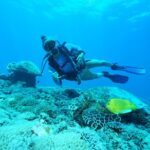
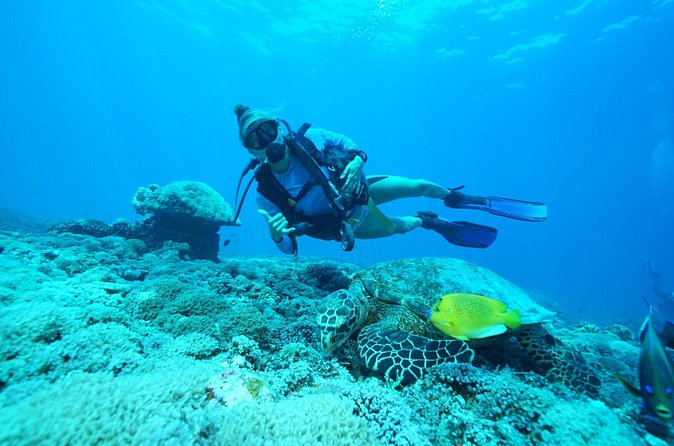
In past courses, students reported marine sightings during the end of their training, including turtles and octopus. You might see similar wildlife, but you should treat encounters as nature’s bonus, not a guaranteed item on your itinerary.
A practical note: open-water days can feel longer than you expect, even when the schedule stays on track. Your brain is learning skills and handling environmental variables. If you stay patient with yourself, you’ll likely enjoy it more.
Small Groups and Instructor Support: Why This Matters for First-Timers
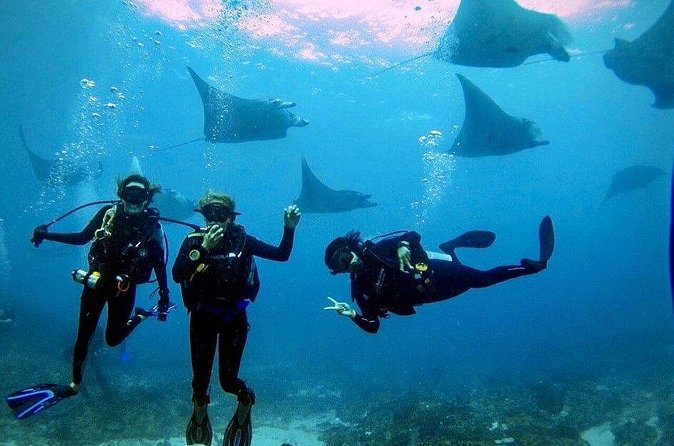
This course caps groups at four travelers, and that’s a big deal for learning. Smaller groups usually mean:
- Your instructor can correct your technique faster
- You spend less time waiting and more time practicing
- Your training stays personal, not conveyor-belt
Past student feedback repeatedly points to strong instructor personalities. Names that came up include:
- Mark, praised as an epic instructor
- Rai, described as helpful, fun, and supportive
- Sammy, noted for being patient and teaching well
- Sib and Claire, highlighted for safety focus and making students feel comfortable
- Sy b i l l e (spelled as Sybille in the course notes), praised as thorough and professional
- Assistants or dive masters named Callie, Gisela, and Laurelia for hands-on help
Even if your instructor isn’t one of these people, the pattern is consistent: students valued safety-first clarity and calm guidance.
For you, the value is simple: in early training, confidence is mostly built by reassurance and repeat practice. A small group makes that easier.

Equipment, Comfort, and What You’ll Do on the Boat
The course connects land training with the underwater sessions, and that usually means gear changes, repeated briefings, and boat time. One student specifically mentioned top of the line equipment, which is exactly what you want when you’re learning.
When you’re new, you don’t just need gear that works. You need gear that behaves predictably while you learn. That includes:
- Comfortable fit
- Regulator performance you can trust
- Proper weighting so you can maintain buoyancy without fighting your body
Boat time can be part of the experience, but it’s also a logistics reality. With only four students, your group time is likely more coordinated, which can reduce stress. Still, you’ll benefit from basic prep: hydrate, bring sun protection, and expect a few hours where you’re dressed for sun and ocean.
If you’re sensitive to motion, you might plan for that. The notes don’t promise anything specific, so pack smart and keep expectations realistic for open water conditions.
Price and Value: What $425 Buys in Real Learning Time
At $425 per person for about 3 days, this isn’t a bargain-basement price. But it also isn’t just “pay for a certificate.” You’re paying for:
- PADI Open Water certification training structure
- Online theory support via PADI e-learning and instructor review
- Confined water skill training
- Four open-water sessions in the ocean
- Safety-focused teaching and small-group attention (max 4)
The value equation improves if you want your training to feel calm and guided, not chaotic. In a large group, you can lose time waiting for checks or corrections. With a small cap, you can spend more time practicing the exact skills that actually make certification meaningful.
If you’re already comfortable in water and you want to speed through, you might still do fine. But if you’re anxious or brand new to scuba basics, the small-group approach becomes the best part of the price.
Who Should Book This Course in Lembongan
This PADI Open Water course is a strong fit if you:
- Want a globally recognized certification from a structured program
- Prefer small-group instruction
- Are okay doing theory through PADI e-learning (either before or during the course)
- Like the idea of training near Nusa Penida, where the marine experience is part of the motivation
The course notes ask for moderate physical fitness. That doesn’t mean you need to be an athlete, but you do need to be comfortable enough to learn breathing control, follow instruction, and handle normal movement in water.
It’s also a good option if you want a team that makes you feel supported. Multiple students praised instructors for patience and safety focus, including calm teaching styles from names like Rai and Tom.
Should You Book It?
I’d book this if you want the core certification experience done thoughtfully: theory support, careful skill training in a controlled setting, then open-water sessions where you apply it for real. The biggest reasons to choose it are the max 4 group size and the repeated emphasis on safety and calm instruction from specific instructors.
Hold off if you know you can’t be flexible with timing due to weather. Ocean conditions matter for training, and the course is described as dependent on good conditions.
FAQ
How long is the PADI Open Water course in Lembongan?
The course runs for about 3 days.
Is the theory part online?
Yes. Theory is done through the PADI e-learning platform, and it’s reviewed with your certified instructor. It can be completed before the start or during the course.
What does the certification allow you to do?
By the end of the course, you’ll be certified to use scuba at depths up to 18 meters.
Where does the course take place?
The start point is Bali Diving Academy Lembongan in Jungut Batu, and the experience includes ocean training with a noted stop at Nusa Penida.
What is the group size?
The course has a maximum of 4 travelers.
What fitness level do you need?
You should have a moderate physical fitness level.
What is the cancellation/refund situation?
The experience is listed as non-refundable and cannot be changed for any reason. If the experience is canceled due to poor weather, you’ll be offered a different date or a full refund.
If you want, tell me your experience level (first-timer, swimmer comfort, any fear of water) and when you’re going. I can help you decide if this pace and structure will feel comfortable for you.