REVIEW · NUSA LEMBONGAN
Try Diving in Nusa Lembongan – Penida. For beginners (with 2 ocean dives)
Book on Viator →Operated by Bali Diving Academy · Bookable on Viator
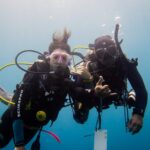
Beginners, meet Nusa Lembongan’s underwater classroom. This try-scuba experience is built for first-timers: you start with pool training and learn core skills like breathing control and neutral buoyancy, then you move on to two guided ocean sessions around Nusa Lembongan and Nusa Penida. The big draw is that you get serious time with an instructor right when you need it most, not just a quick check-in and hope-for-the-best.
I also like how much the day supports you on the surface. Gear is provided, and you’re kept fed and hydrated on the boat with a lunch box, water, and hot drinks—simple stuff, but it makes a long day feel easier and safer for nervous beginners. Another plus: you’re in a small group (max 8), so you’re not lost in the shuffle.
One thing to keep in mind: the course expects you to build confidence fast. If you’re very anxious, pay attention during the first few minutes of coaching—some people love the patient vibe, while one account mentioned the instructor seemed short-tempered when confidence took longer than expected.
In This Review
- Key highlights you’ll actually feel
- Beginner scuba training in Nusa Lembongan: what makes it work
- The 8-hour rhythm: pool skills, then 2 guided ocean sessions
- What you should watch for during the pool session
- On-boat comfort: lunch box, water, hot drinks, and real downtime
- Packing strategy: why you can travel lighter
- Marine-life expectations: manta rays, mola molas season, and reef stops
- Reality check: visibility and animal sightings vary
- Safety and instruction: small-group care plus beginner-friendly skill building
- The real-world lesson from mixed feedback
- Price and value: why $125 can be a good deal for first-timers
- Booking timing: plan ahead, especially for popular days
- Who should book this course—and who might skip it
- Should you book: my practical go/no-go advice
- FAQ
- What’s included in this beginner scuba experience?
- How long is the experience?
- What time do I meet, and when does it end?
- Do I need prior scuba experience?
- What group size should I expect?
- What marine life might I see?
- What’s the cancellation policy if weather changes?
Key highlights you’ll actually feel
- Pool first, then ocean: you practice basics in a controlled setting before going out
- Small group cap (8 people): more personal help while you learn
- No-gear stress: equipment is included, so you can pack light
- Lunch box + hot drinks on the boat: you don’t end up running on empty
- Big-life chances, not promises: manta rays are possible year-round, while mola molas are more seasonal
- Known reef stops: routes may include Manta Bay, Crystal Bay, Gamat Bay, Toya Pakeh, and Sental
Beginner scuba training in Nusa Lembongan: what makes it work
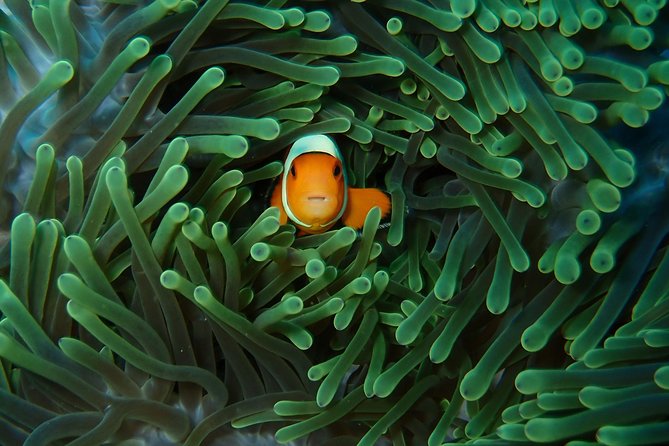
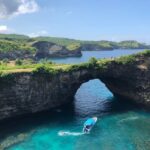
Nusa Lembongan and Nusa Penida are famous with underwater fans for one reason: the marine life can be dramatic. If you’re visiting from Bali, this area is one of the easiest places to go from land-tour mode to real underwater skills without needing tons of experience first.
The course is designed around absolute beginners. That means the focus is less about impressing anyone and more about learning how your body behaves underwater. You’ll practice breathing, basic control, and neutral buoyancy—the skill that helps you stop flailing and start moving smoothly. That matters because good control keeps you comfortable and also helps you avoid bumping coral.
The other part I like is the safety framing. The operator highlights a 100-percent safety record. While no program can remove every risk, this kind of reputation usually points to careful procedures, calm instruction, and good gear checks. And since you’re learning from close guidance, you’re not expected to “figure it out” on your own.
You can also read our reviews of more scuba diving tours in Nusa Lembongan
The 8-hour rhythm: pool skills, then 2 guided ocean sessions
Here’s how your day typically flows, with times you can plan around:
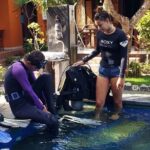
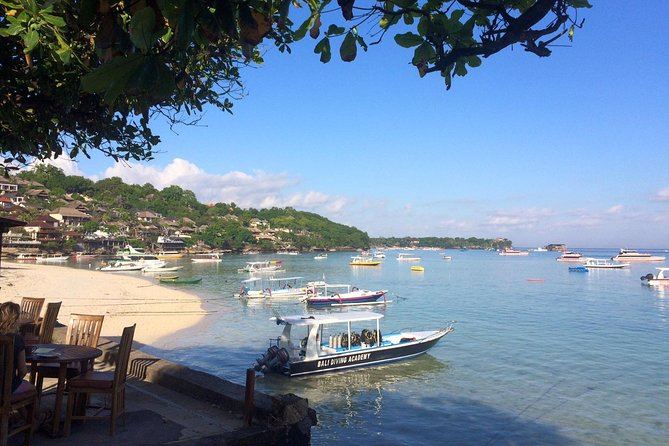
- 8:00 am: meet at the meeting point in Jungut Batu (Nusa Lembongan) for paperwork and gear setup, plus the pool session
- 10:00 am: first ocean session
- Surface interval (~1 hour): tea and coffee, plus a lunch box
- Second ocean session: guided again with an experienced instructor nearby
- 3:00–3:30 pm: back to the meeting point
Why this timing works for beginners: your first ocean session comes after you’ve already built the basics in the pool. That reduces the classic first-day panic spiral, where you’re busy trying to remember everything at once.
Between sessions, you get a real break. The schedule includes tea, coffee, and your choice of lunch box during the surface interval. That’s not just comfort—it helps you stay focused and not feel shaky when you go back down for the second session.
What you should watch for during the pool session
The pool is where you learn what your body is doing. You’ll likely be practicing skills until you can do them with less effort. For you, the win is simple: don’t just “pass.” Aim to leave the pool feeling like you understand your breathing rhythm and how to stay neutral.
If you’re a slower learner, it’s worth speaking up early. The program is beginner-focused, but some instructors respond faster than others. Clear communication can prevent stress later.
On-boat comfort: lunch box, water, hot drinks, and real downtime
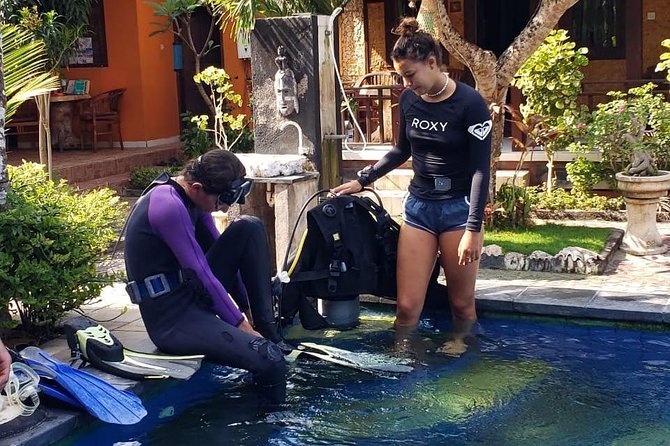
One of the most underrated parts of any beginner underwater course is what happens between learning moments. This program includes a lunch on the boat, and it isn’t just a sad snack.
You’ll have:
- a lunch box (local lunch)
- water available
- hot drinks during the surface interval
That keeps you from feeling overheated or underpowered. It also matters because you’ll spend time in the sun and on the boat, then shift into careful task mode underwater. If you start the day hungry or dehydrated, learning becomes harder.
Packing strategy: why you can travel lighter
The operator says you don’t have to pack the kit. That’s a big deal if you’re already carrying swimwear, towels, and day-trip clothes while traveling around Indonesia.
So what should you pack in your bag? The course data doesn’t list items, so I won’t guess. But in general, you’ll want the basics for a wet, sun-heavy day and a change of clothes for afterward. Since the equipment is handled for you, you can keep your personal packing simple.


Marine-life expectations: manta rays, mola molas season, and reef stops
This area can deliver big animal sightings. But it’s important to understand the difference between a good chance and a guarantee.
Here’s what the program notes:
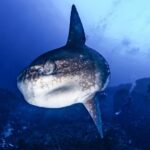
- Mola molas are a major draw in July to October.
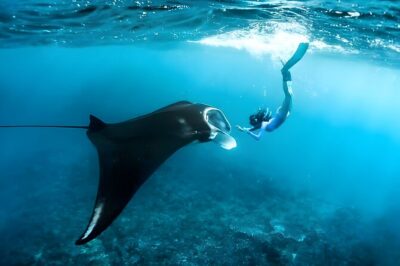
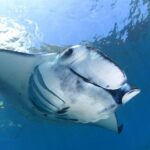
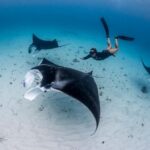
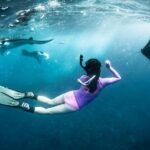
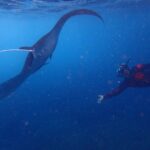
- Manta rays can be seen all year round, but seeing them depends on the dive/underwater site and daily conditions.
- Reef areas around the islands can have clear water and colorful coral.
You’ll also hear names of well-known underwater spots in the region. The operator lists several, including:
- Manta Bay
- Crystal Bay
- Gamat Bay
- Toya Pakeh
- Sental
On top of that, real-life success stories exist. One write-up mentioned manta rays and turtles plus a strong lunch, tied to careful, coral-minded instruction. That’s exactly the kind of combo you hope for: learning + actual wildlife.
Reality check: visibility and animal sightings vary
Even in a famous region, conditions change. Currents, wind, and water clarity can shift day to day. So if you’re coming with an all-or-nothing mindset—like you’ll be crushed if you don’t see mantas—try adjusting expectations now.
A better plan is: treat every underwater session as both training and an opportunity. You’re learning skills that let you enjoy what’s in front of you, even when the big names don’t show up.
Safety and instruction: small-group care plus beginner-friendly skill building
The operator positions the experience as responsible and safe, and the course is built around close supervision. With a maximum of 8 people, the instructor can spend time watching your breathing, your body position, and how you’re reacting to the water.
That matters most at the start. Early underwater moments are when beginners often struggle—not because they’re “bad at it,” but because their brain is adapting to a new environment. The course addresses this by teaching in sequence: pool → first ocean session → short break → second ocean session.
The real-world lesson from mixed feedback
Most accounts emphasize the instructors as passionate and focused on avoiding negative effects on marine life and coral. That’s a good sign for beginners because it usually comes with gentle coaching and discipline around buoyancy.
Still, one person’s note warned that patience can vary when confidence lags after a short time underwater. If you tend to get flustered easily, I’d do two things:
- go in ready to learn slowly, not to “perform”
- speak up early if you need reassurance
A calm instructor helps you learn. But your communication helps too.
Price and value: why $125 can be a good deal for first-timers
At $125 per person, this isn’t the cheapest activity on Nusa Lembongan. But it can be good value because you’re paying for a full beginner package, not just a guided outing.
You’re getting:
- pool session training (skill foundation)
- two guided ocean sessions
- equipment provided
- lunch box plus water and hot drinks
- small-group size with close instructor attention
- mobile ticket (easy to manage)
A lot of beginner experiences charge more once you add equipment rentals and guided time. Here, those basics are already part of the day. That matters if you’re traveling light and want one organized, all-in plan.
Booking timing: plan ahead, especially for popular days
The experience is booked on average 20 days in advance. That doesn’t mean you can’t book later, but it’s a clue that spots can fill when conditions are favorable. If you have a tight trip window, I’d reserve early.
Who should book this course—and who might skip it
This is best for:
- absolute beginners who want structured underwater instruction
- people who like small groups and direct coaching
- anyone who wants a full day with training, food, and equipment handled
- visitors planning to combine Nusa Lembongan and Penida wildlife with real skills
You might reconsider if:
- you’re physically uncomfortable with a moderate activity level (the course calls for moderate physical fitness)
- you strongly prefer a slower learning pace and need lots of repeated reassurance
- you’re already certified and want many more than two ocean sessions
If you’re already scuba-certified, this course won’t replace a full skills program. Think of it as a confident first step that prioritizes safety and solid basics.
Should you book: my practical go/no-go advice
If you’re new to scuba and you want your first underwater experience to be structured, this one makes a lot of sense. The pool-to-ocean plan is the key: it reduces surprise stress. The included gear and boat food (lunch box, water, hot drinks) are the quiet value boosters that keep beginners comfortable.
I’d book this when:
- you can arrive at 8:00 am ready to learn
- you’re okay with animal sightings being possible but not guaranteed
- you want close instructor attention in a max-8 group
I’d be cautious if:
- you’re extremely nervous and don’t handle coaching pressure well
- you’re traveling during a window where weather might be rough for boat days (the experience notes it requires good weather)
On the weather side, the program states that if it’s canceled due to poor conditions, you’ll be offered another date or a full refund. That’s exactly what you want as a backup plan.
If you want one beginner course that tries to remove the unknowns, this is a strong pick.
FAQ
What’s included in this beginner scuba experience?
The experience includes a pool session for basic scuba skills and then two guided ocean sessions. Equipment is provided, and you’re also given lunch on the boat plus water and hot drinks.
How long is the experience?
It runs about 8 hours total.
What time do I meet, and when does it end?
You meet at 8:00 am, and the activity returns to the meeting point around 3:00–3:30 pm.
Do I need prior scuba experience?
No. The course is tailored to absolute beginners and doesn’t require prior skill. You’ll learn basics first in the pool.
What group size should I expect?
The maximum group size is 8 travelers.
What marine life might I see?
Mola molas are highlighted for July–October season. Manta rays can happen all year, but sightings depend on the dive site and daily weather conditions. Coral reefs and clear water are part of the underwater experience, and turtles have been seen according to participant feedback.
What’s the cancellation policy if weather changes?
You can cancel up to 24 hours in advance for a full refund. The experience requires good weather; if it’s canceled due to poor weather, you’ll be offered a different date or a full refund. It also requires a minimum number of travelers, with a different date or full refund if that minimum isn’t met.