REVIEW · KUTA
Balinese Village Experience
Book on Viator →Operated by Bali Buddies · Bookable on Viator
Your morning starts with incense and local tea. This Balinese village day in Pacung Sangeh is interesting because you join a family in their compound and learn how daily worship works, including making canang sari offerings with your village host. I also love that the pacing is practical: you get hotel pickup from south Bali, then you spend the day doing real cultural stuff instead of bouncing between photo stops.
One possible drawback: this is a guided, structured day. With a maximum of 10 people, you’ll be with the group and follow the plan closely, so it’s not the kind of tour where you drop off and wander on your own.
In This Review
- Key things to know before you go
- Pacung Sangeh village life: family compound time, not a staged show
- Hotel pickup from Kuta and the flow of a 7-hour day
- Morning tea and Balinese cakes: how you ease into local rhythm
- Making canang sari offerings: learning by doing
- Cleansing and blessing at a sacred water temple
- Lunch at a scenic warung: typical food in a real setting
- Price and value: what $70 buys you in south Bali
- Who should book this Balinese village experience
- Should you book this tour?
- FAQ
- What time does the Balinese village tour start?
- How long is the experience?
- Does the tour include hotel pickup in south Bali?
- Is the admission ticket included?
- How big is the group?
- What is the cancellation and refund policy?
Key things to know before you go
- Family-compound access: You’re welcomed into a real home setting, not just a roadside attraction.
- Hands-on canang sari: You learn the daily offering practice as part of the day, not as a quick demo.
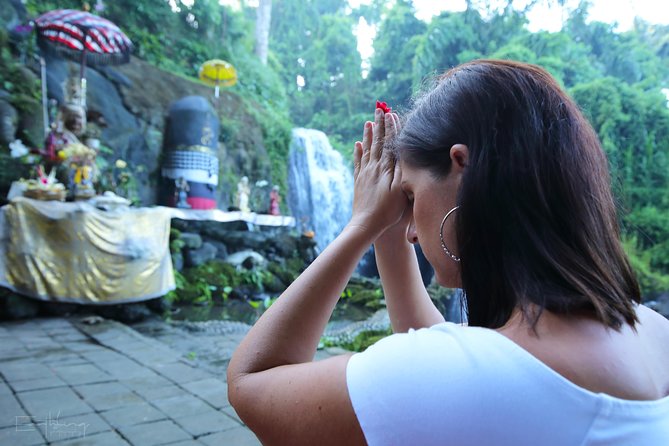
- Sacred water blessing: The highlight ritual happens at a holy water temple, tied to cleansing and blessing moments.
- Scenic warung lunch: You’ll eat typical food, including Balinese cakes, in a simple local setting.
- Small group size: Up to 10 people keeps the experience more personal and easier for questions.
Pacung Sangeh village life: family compound time, not a staged show
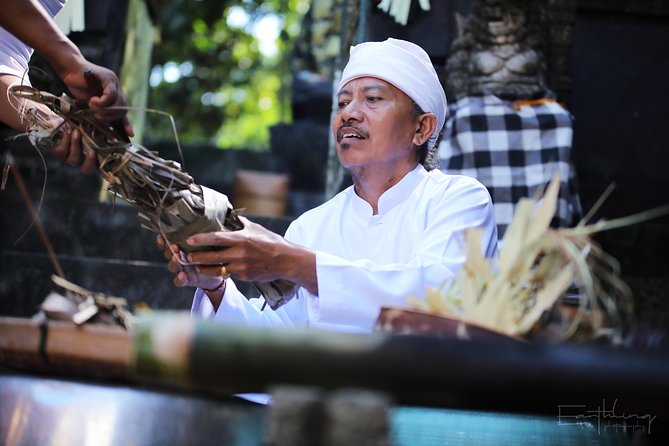
The best part of this tour is that it starts with a family. You don’t just watch someone else perform culture. You’re welcomed into the compound and shown how daily life connects to faith. The day’s host comes from the village and grew up there, so explanations feel grounded in everyday routine rather than a rehearsed script.
You also start the day in a calm, human way. There’s morning tea with cakes and coffee, served in a setting that feels like you’ve joined a normal morning inside the home. That matters because Bali’s Hindu practices aren’t separate from daily living here. They show up in what people do, where they move through the house, and how they care for visitors.
Then comes the part that tends to make people remember the day: you learn the flow of offering-making. You’ll head through the practical steps for creating the daily offerings known as canang sari. Even if you’ve never seen them before, it’s easy to follow because you’re taught in context—what it’s for, when it’s used, and why it’s considered part of keeping life balanced.
The tone stays personal. The day is built around your guide’s role as a village insider, so you’ll likely get real answers to the kind of questions that pop up when you see something firsthand. It’s also a good contrast to the routine of a resort day, since you’re moving through ordinary life rhythms rather than a set entertainment program.
You can also read our reviews of more tours and experiences in Kuta.



Hotel pickup from Kuta and the flow of a 7-hour day
This is the kind of tour that makes logistics feel almost boring—in a good way. You start at 8:30 am, and you’re picked up by a professional driver for the transfer to the meeting point with your guide. The tour also includes 2-way transfers, dropping you back direct to most south Bali hotels, which saves you from sorting rides and timing on your own.
The day runs about 7 hours. That’s a sweet spot: long enough to learn offering-making and attend the blessing ritual, but not so long that you feel exhausted by late afternoon. Because it’s a small group (up to 10 people), you’re less likely to feel herded. Still, you should expect a schedule. You’ll be moving from the family compound to the temple blessing setting, with meals placed into the plan.
If you’re coming from Kuta, you’ll appreciate the smoother start. Bali traffic can be unpredictable, and a guided pickup reduces your stress. The fact that you can use a mobile ticket also helps. You don’t need to hunt for printed documents, and it makes check-in simpler once you arrive.
Practical note: since you’ll be out all morning into the day, it helps to plan your energy. Bring a little water, wear comfortable shoes, and keep your daypack light. You’ll want to focus on the ceremonies and conversations, not on struggling with extra stuff.
Morning tea and Balinese cakes: how you ease into local rhythm
Before any temple stop or offering practice, the tour sets a relaxed tone. You’re welcomed with Balinese morning tea, plus cakes and coffee. It’s not a random snack break. It’s a gentle introduction to how hospitality works in a family setting.
I like this part because it shifts you from tourist mode into learning mode. When you sit down first, you can ask questions without feeling rushed. And you get a taste of what “typical” can mean here—simple, local flavors that match the day instead of a hotel buffet vibe.
One detail worth taking seriously: these cakes and tea happen as part of the flow of the day, not between attractions. That means you get to experience more than a meal. You experience how the family starts the day and includes visitors in that rhythm.
If you’re on a family trip, this early stop is often a win. Kids tend to handle it better when there’s food, coffee, and friendly interaction before the spiritual work begins. The ceremony later can be intense in a good way, but the warm-up makes it feel less like an abrupt jump into something formal.
Making canang sari offerings: learning by doing
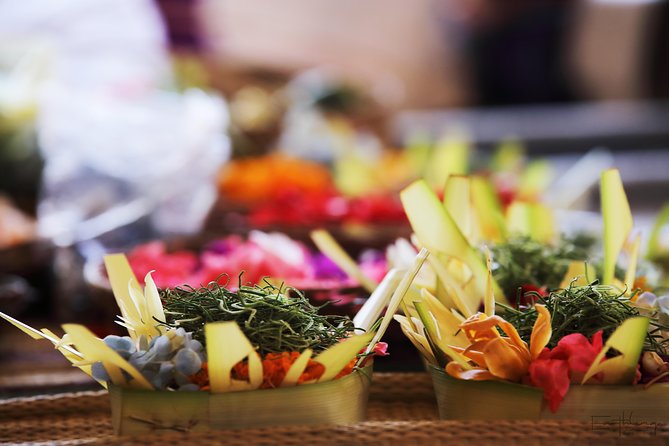
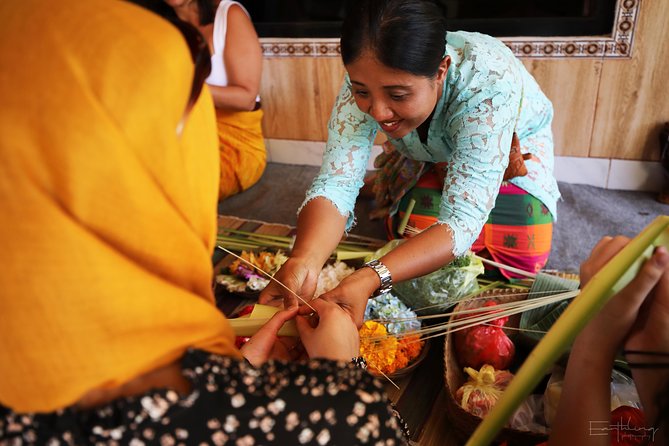
Canang sari is the daily offering practice of Balinese Hinduism, and this tour treats it like the centerpiece it is. You’ll learn how to make the traditional daily offerings. Instead of standing at a distance, you’re guided through the process so you can actually participate.
What makes this valuable is the context. Offering-making isn’t just about assembling materials. It’s about understanding the intent—how faith shows up in daily life. When your guide explains what you’re making and where it fits in the rhythm of the day, you start to see the logic behind it.
The structure helps too. You generally begin by watching what your guide does, then you copy the steps with help. That’s how you avoid the common problem of “hands-on” tours that are really just watching someone else work while you hold a prop. Here, the focus stays on your participation, and the explanations tend to be clear enough that even first-timers can follow along.
The experience also has a spiritual side that doesn’t feel theatrical. It feels practical. You’re learning a craft used daily, and it’s taught by someone who grew up in the culture. That authenticity is a big part of why the day lands as more than a one-time photo moment.
If you’re sensitive to spiritual rituals, you can still participate respectfully. You don’t need to treat it like a performance. Think of it as learning a living tradition, the way you’d learn a cooking technique in someone’s home.
Cleansing and blessing at a sacred water temple
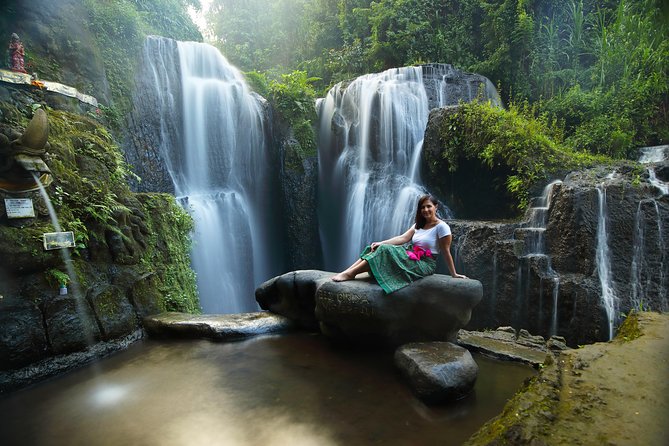
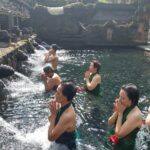
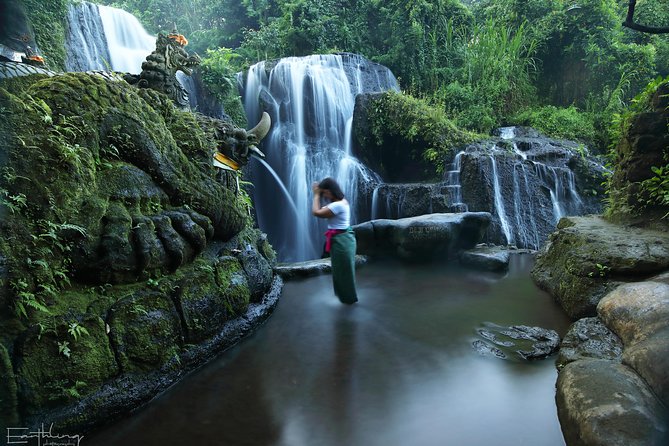
After the offering-making, the day heads toward the sacred water temple for a blessing ritual. This is where the spiritual arc of the tour comes together. You’re not just learning about beliefs in theory. You see them connected to a ritual space and a ceremony moment.
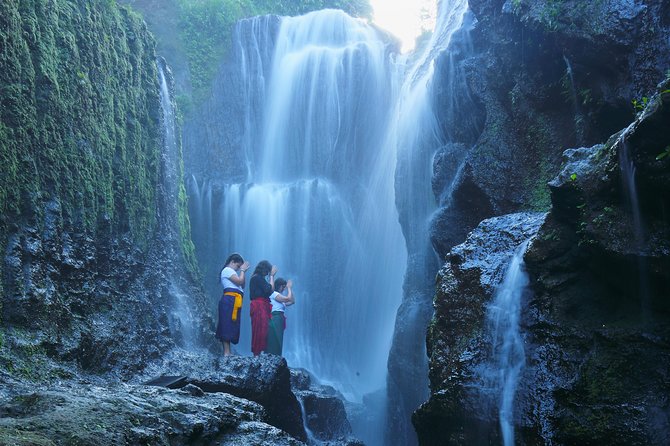
From what you can expect on the ground, the blessing setting can include a beautiful holy water area with a waterfall and caves feel, which adds a strong sense of place to the ceremony. The environment helps you understand why these sites matter. Water, stone, and ritual are tied together here, and the setting makes the whole experience feel more meaningful than a simple “visit a temple” checklist.
You may also take part in a cleansing ceremony. That’s the kind of moment where a patient guide helps a lot, especially if you’re doing it for the first time. The ceremony isn’t about showy actions. It’s about participation, respect, and understanding the intent behind what you’re doing.
A good way to prepare mentally: go in with the attitude of learning. Ask questions, but also give yourself time to watch and follow the guidance. If you’re traveling with children, this part can be memorable because it’s active and guided rather than abstract.





Lunch at a scenic warung: typical food in a real setting
The day includes lunch, served at a scenic warung. That’s a big deal for value and for experience. A warung is a local eatery, usually simple, usually run by people who treat food like part of life, not part of a tourist show.
You’ll get typical Balinese food. The tour also includes Balinese cakes, and those show up both in the morning tea setup and again as part of the food experience during the day. The result is a day that feels like you ate with the family rather than just between stops.
If you care about food variety, you’ll likely enjoy how the meal fits the cultural theme. It’s not only a break. It’s part of learning how everyday life works—what people eat, how a warung feels, and how meals connect to the day’s activities.
One practical note: the data doesn’t mention specific dietary accommodations. If you have strong allergies or strict dietary needs, you should plan to ask in advance through the tour provider so you’re not stuck improvising at the table.
Price and value: what $70 buys you in south Bali
At around $70 for about 7 hours, this tour has good value if you’d otherwise pay separately for a driver, admission, and meals. The price is not only about access to the village and temple. It also includes 2-way transfers and an admission ticket.
In plain terms, you’re paying for three “costs” wrapped into one:
- transportation from Kuta/south Bali (pickup and drop-off),
- guided cultural time with a local host,
- and food included in the schedule (morning tea items and lunch at the warung).
The small group size matters for value too. When a tour caps at 10 people, the guide can spend real time with you instead of repeating answers to a huge crowd. That often makes the explanation part feel better, especially when you’re learning something specific like canang sari.
There’s also the emotional value—hard to price, easy to feel. A day spent in a family compound and a sacred water ceremony tends to stick in your memory more than another “see a temple and move on” outing.
Who should book this Balinese village experience
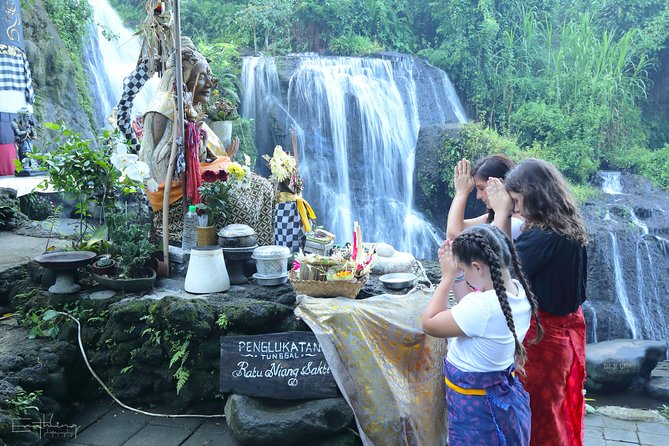
This tour is a strong match if you want culture that’s hands-on and grounded in daily life. It works particularly well for families, because the day includes food, friendly interaction, and a ceremony approach that can feel age-appropriate when guided well.
It’s also ideal for you if you’re curious about Bali’s Hindu practices beyond postcard temples. Learning canang sari and then seeing a blessing ritual at a sacred water temple gives you a clearer picture of how faith shows up every day.
You might want to think twice if your travel style is mostly about downtime and free wandering. This is a guided day with set activities. It’s not designed for solo pacing through villages or dropping in and out at your own tempo.
Should you book this tour?
I think this is worth booking if you like structured learning and real-life access. The combination of hotel pickup, small group size, and a day built around family welcome, offering-making, and a sacred water blessing is a rare mix.
Book it if:
- you want a cultural day that goes beyond surface stops,
- you like hands-on activities like canang sari,
- you prefer guided logistics when staying in south Bali.
Skip it if:
- you want lots of unplanned free time,
- you’re not comfortable with spiritual ceremony settings.
If your main goal is to feel what village life in Bali looks like from the inside, this is one of the better bets in the Kuta area.
FAQ
What time does the Balinese village tour start?
The tour starts at 8:30 am.
How long is the experience?
It runs for about 7 hours.
Does the tour include hotel pickup in south Bali?
Yes. Pickup is offered and includes 2-way transfers, with drop-off direct to most south Bali hotels.
Is the admission ticket included?
Yes. The experience includes an admission ticket.
How big is the group?
The tour has a maximum of 10 travelers, keeping it smaller and easier to ask questions.
What is the cancellation and refund policy?
This experience is non-refundable and cannot be changed for any reason. If the tour is canceled because the minimum number of travelers isn’t met, you’ll be offered a different date or a full refund.
If you’d like, tell me your travel dates and whether you’re going with kids or adults only, and I’ll help you decide if the timing and vibe match your day.