REVIEW · KUTA
Best of Ubud with Jungle Swing Experience
Book on Viator →Operated by Putu Bali Driver · Bookable on Viator
Ubud can feel like a blur of scooters and souvenir shops, so this kind of structured day helps you get your bearings fast. The big draw here is the way the route threads together local craft villages, major cultural stops (including Ubud Palace and Gunung Kawi Sebatu), and wildlife time at the Sacred Monkey Forest Sanctuary.
You’ll spend the day with a dedicated driver/guide, moving at a calm pace between Tohpati for batik, Celuk for gold and silver, and Batuan for painting and traditional life. You’ll also get time at the Ubud Traditional Art Market, which is practical if you want crafts without forcing it into the rest of your sightseeing.
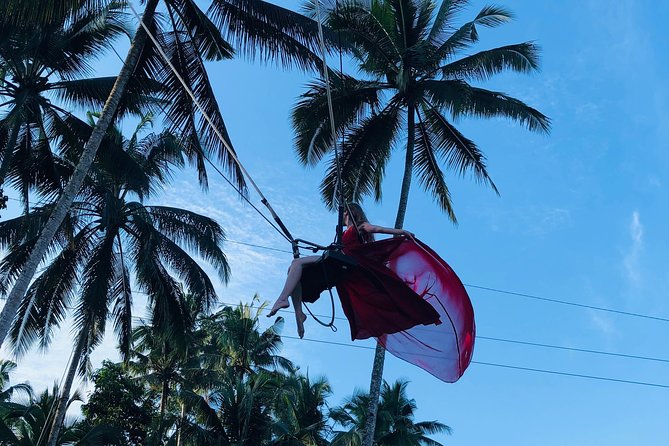
One thing to keep in mind: the experience title mentions a Jungle Swing, but the schedule details you provided focus on crafts, temples, rice terraces, and monkey forest. Before you book, confirm how the swing is timed and what exactly is included.
In This Review
- Key Things To Know Before You Go
- Price and What You’re Actually Buying
- How the Private Route Works in Ubud (Without the Headache)
- Craft Village Stop: Tohpati, Celuk, and Batuan (Where Skill Is the Attraction)
- Tohpati for Batik Art
- Celuk for Gold and Silver Art
- Batuan for Painting and Traditional Life
- Pura Desa Adat Batuan: A Balinese House Compound You Can Actually Understand
- Tegalalang Rice Terraces and Bali Irrigation Basics (Views Plus Useful Context)
- Gunung Kawi Sebatu Holy Water Temple (A Calmer, More Sacred Break)
- Ubud Palace (Where You’ll See Power and Tradition Side by Side)
- Sacred Monkey Forest Sanctuary: Macaques in the Wild
- Ubud Traditional Art Market (Shopping Without Losing the Day)
- Logistics That Affect Your Comfort (More Than You Think)
- Who This Tour Best Fits
- Should You Book This Ubud Private Day?
- FAQ
- What time does the tour start?
- How long is the experience?
- Is this tour private?
- What’s included in the price?
- What isn’t included?
- Can I cancel and get a refund?
Key Things To Know Before You Go
- Private, full-day format means you’re not sharing the day with strangers, and your guide can pace things to your questions.
- Craft villages first: Tohpati (batik), Celuk (gold and silver), and Batuan (painting and local compound life) set a cultural tone early.
- Gunung Kawi Sebatu adds a more spiritual stop with spring holy water pools and ancient shrines.
- Tegalalang area rice terraces give you views plus a quick look at Bali irrigation systems.
- Ubud Traditional Art Market is built in, so shopping doesn’t hijack your schedule.
- Monkey Forest time rounds out the day with macaques in their natural setting.
Price and What You’re Actually Buying
At $55 per person for a private full-day with pickup, air-conditioned transport, a dedicated driver/guide, and several paid stops covered, this is one of those deals that can make sense fast. The value isn’t just the ticket price. It’s the “you don’t have to figure it out” part: you get a planned route, you get transportation, and you get a guide to translate what you’re seeing into something you can appreciate.
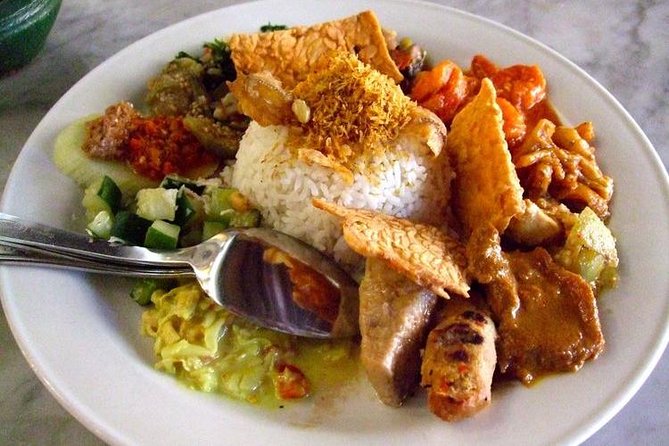
That said, you do need to budget for what’s not included. Meals and drinks aren’t covered, and the listing specifically leaves out lunch. Souvenirs are also on you. If you arrive hungry or plan to snack constantly, your day can add up.
The private format also matters. This isn’t an all-day bus tour where you spend your energy waiting. With a private setup, you’re far more likely to enjoy every stop instead of just “collecting” photos.
You can also read our reviews of more tours and experiences in Kuta.



How the Private Route Works in Ubud (Without the Headache)
This day starts with pickup and runs about 6 to 7 hours. The start time is listed as 8:00 am, which is a smart choice in Ubud. Earlier hours usually mean less crowd pressure and more comfortable walking at outdoor spots like rice terraces and temples.
The route is organized in a way that makes sense geographically and culturally. You begin in the art and craft villages (where the focus is on process), then you move into religious sites (where the focus shifts to architecture and daily ritual), and later you head toward views and wildlife.
Your driver/guide is also listed as part of what you’re paying for. On days like this, that’s not a luxury. It’s what helps you avoid wandering through a village thinking you’re missing the point.
Craft Village Stop: Tohpati, Celuk, and Batuan (Where Skill Is the Attraction)
The tour begins with the art villages around Ubud, and that’s a big reason I like this structure. Instead of bouncing around random viewpoints, you get a clear theme: how Balinese artisans make things that people still use and buy today.
Tohpati for Batik Art
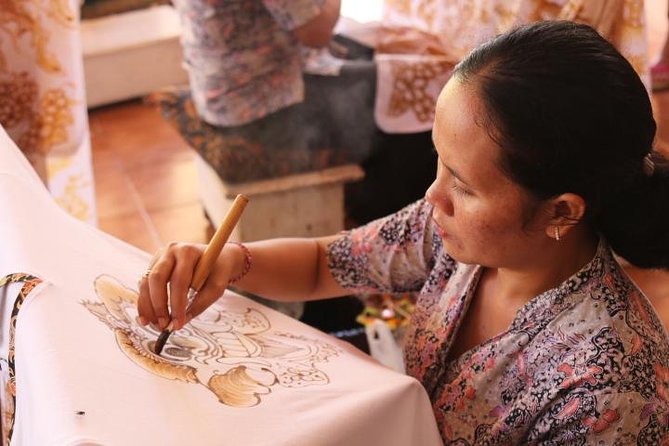
You’ll head to Tohpati Village for batik. Batik is more than decoration. It’s a craft built on repeated steps and careful dye work, and even if you don’t buy anything, watching the focus and tools helps you see why batik has staying power.
Practical tip: wear something you don’t mind getting a bit dusty. Village walking is usually not polished-city-smooth.
Celuk for Gold and Silver Art
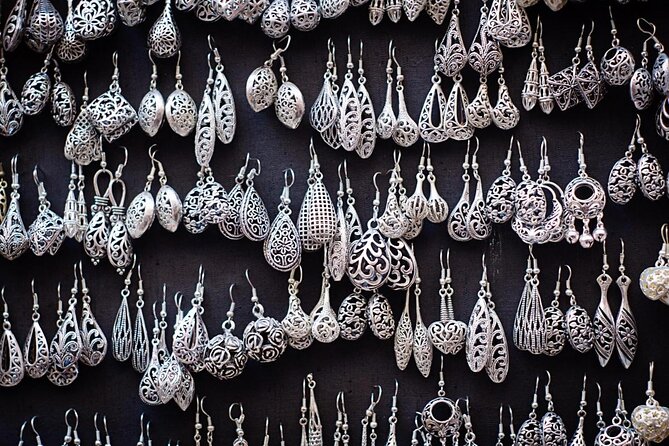
Next is Celuk Village, known for gold and silver work. This is where you’ll likely notice how craftsmanship changes form depending on the final product. Even if you’re not shopping, it’s a nice shift from batik’s surface design to metalwork’s precision.

Batuan for Painting and Traditional Life
Then you go to Batuan Village. You’ll also visit a traditional Balinese house compound as part of the stop, which is useful because it frames the art in context: who lives there, how the compound works, and what daily activities look like.
One drawback to be aware of: craft villages can feel sales-heavy in some areas. A private guide can help you focus on what you’re seeing instead of drifting into buying mode. If you’re not looking to shop, say so at the start. It helps.
Pura Desa Adat Batuan: A Balinese House Compound You Can Actually Understand
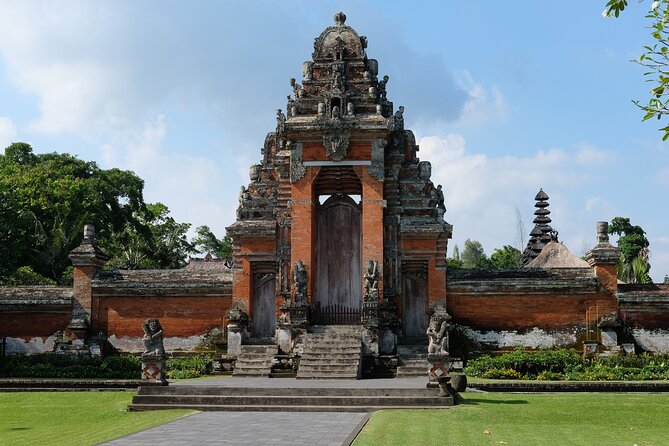
After Batuan’s village time, you visit Pura Desa Adat Batuan. This part of the day leans into local daily rhythm rather than just big monuments.
You’ll get time at a traditional Balinese house compound to learn about day-to-day activities of the local community, then continue to the temple site. Even if religious details aren’t your thing, compound-style visits help you connect the dots between temple life and everyday life. You’re not only seeing a building. You’re seeing why the building matters.
Practical tip: bring a light layer. Temple areas can be warm and humid, but you may also find shaded spots where the air changes.
Tegalalang Rice Terraces and Bali Irrigation Basics (Views Plus Useful Context)
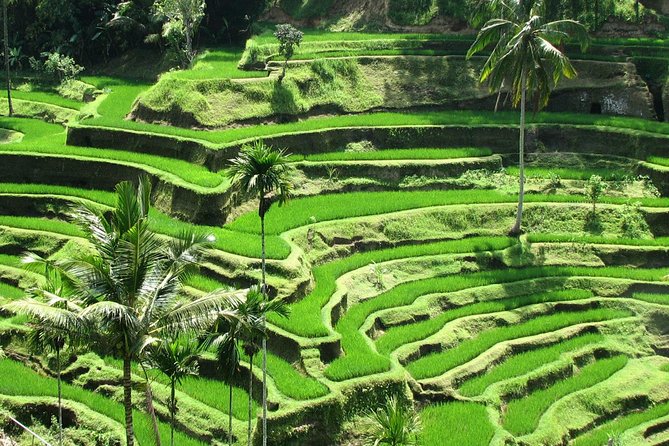
Next up: Tegalalang rice terraces, described as an area where you can see the rice terraces from viewpoints around Ceking Village. Rice terraces are often photographed, but the value here is that you also learn about Bali’s irrigation system.
That matters because terraces aren’t just scenery. They’re a working water-and-land system, and understanding irrigation gives you a mental map for why the terrace patterns look the way they do.
For the best experience:
- Take your time at each viewpoint. Terraces aren’t meant for one rushed photo.
- Bring water and protect your eyes. Bright sun plus reflective greenery can be intense.
If you’re sensitive to heat, start slow in the morning and take shade breaks when you can.
Gunung Kawi Sebatu Holy Water Temple (A Calmer, More Sacred Break)

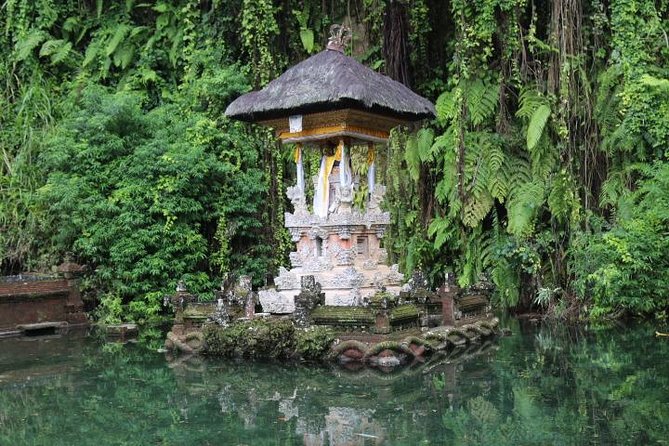
About 10 minutes from Tegalalang, you reach Sebatu Village and visit Gunung Kawi Sebatu, a spring holy water temple with ancient shrines and crystal-clear pools fed by natural spring water.
This is a different mood from the rice terraces. The terraces are about landscape and engineering. Gunung Kawi Sebatu is about ritual space, sacred water, and the quiet energy of a temple area.
Admission here is listed as included, which simplifies your budgeting. It also helps you avoid the common problem where one stop becomes “surprise-pay” once you’re already tired and hot.
Practical note: holy water temples often have rules on where you can stand and how you should behave. Follow the guide’s directions closely, and you’ll usually have an easier time.
Ubud Palace (Where You’ll See Power and Tradition Side by Side)
The overview includes a stop at Ubud Palace, described as majestic. Even without extra details, it’s easy to see why it belongs on a best-of route. The palace is a central cultural anchor in Ubud, and it gives you a sense of how royalty and ceremony shaped the town’s identity.
What I like about including a palace stop in a craft-and-temple itinerary is that you avoid getting stuck in only one kind of culture. You move from artisans’ work to sacred spaces, and then into the “public” symbol of local heritage.
Sacred Monkey Forest Sanctuary: Macaques in the Wild
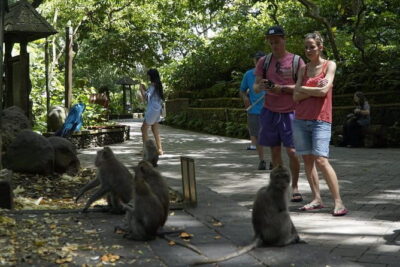
Later in the day you’ll go to the Sacred Monkey Forest Sanctuary to see macaques in their natural environment.
This is one of those stops where the experience can go two ways: either you enjoy the wildlife atmosphere, or it becomes stressful if you’re too close to monkeys that are bold and curious. A guide helps here because you can follow safe viewing habits and avoid turning the day into chaos.
Practical advice before you arrive:
- Secure anything small and tempting (phones, sunglasses, bags) that can attract attention.
- Keep your distance and don’t try to feed or touch.
- Wear shoes you don’t mind getting a bit dirty, since the sanctuary is a walk-through setting.
Ubud Traditional Art Market (Shopping Without Losing the Day)
You’ll also visit the Ubud Traditional Art Market, with time allocated to browse and potentially buy crafts. Admission is listed as free here.
This stop is valuable because it gives you a focused place to shop. Instead of hunting in random streets on an empty stomach, you get a planned window to buy small souvenirs and keep moving.
If you do buy items:
- Compare prices quickly but don’t bargain aggressively. You’ll have a smoother time.
- Buy things that tie to what you learned earlier (batik patterns, small metalwork pieces, painted souvenirs), since the earlier village stops will make those purchases feel more meaningful.
Logistics That Affect Your Comfort (More Than You Think)
A few details make a real difference in how this day feels:
- Pickup and drop-off from your Ubud accommodation keeps transitions simple. You don’t need to coordinate transport between villages.
- Private transport in an air-conditioned vehicle is a big deal in Ubud heat and traffic. You’ll likely appreciate the breaks between stops.
- Parking fees and ticket coverage are included, which reduces last-minute friction.
- Public Liability Insurance (PLI) is included. It’s not something you feel day-to-day, but it’s part of the “grown-up” safety setup.
Also, the minimum booking is 2 people per booking. If you’re traveling solo, this matters. You may need to pair with someone or choose a different format.
Who This Tour Best Fits
This is a strong match if you want:
- A private full-day that mixes culture, craft, and scenery without you doing the routing work.
- A day where a guide helps you understand what you’re looking at, especially across multiple art villages.
- Time at both major cultural anchors (Ubud Palace) and places with a more spiritual or calm atmosphere (Gunung Kawi Sebatu).
It’s also good if you’re not trying to do a marathon. A 6–7 hour structure is long enough to feel like you saw Ubud, but short enough to still keep energy for an evening.
If you’re the type who wants only one or two “big” attractions and nothing else, this may feel like many different stops in one day. But that’s also what makes it a best-of style experience.
Should You Book This Ubud Private Day?
I’d book it if you want a structured, private day that covers craft villages, temples, rice terraces, and monkey forest time, with transportation handled and multiple entry costs handled. At $55 per person, the inclusion of pickup/drop-off, private air-conditioned transport, and tickets makes it easier to justify than hopping between spots on your own.
I’d pause and double-check before booking if the Jungle Swing is a must-do for you. The route details you provided emphasize crafts, temples, terraces, market, and monkey forest, so confirm how the swing fits your timeline and whether it’s included as described.
If you want to get a feel for Ubud’s culture beyond the obvious photo stops, this tour gives you that. The biggest selling points are the private attention and the way the day flows through different types of Balinese life, not just one highlight.
FAQ
What time does the tour start?
The start time is listed as 8:00 am.
How long is the experience?
It runs about 6 to 7 hours.
Is this tour private?
Yes. It’s a private tour/activity, so only your group participates.
What’s included in the price?
Included are a driver/guide, hotel pickup and drop-off, private transport in an air-conditioned vehicle, ticket(s), parking fees, and Public Liability Insurance (PLI).
What isn’t included?
Meals and drinks are not included, and lunch is not included. Souvenirs are also not included.
Can I cancel and get a refund?
Yes. You can cancel for a full refund up to 24 hours in advance of the experience start time.