REVIEW · KUTA
Private Inclusive Tour: The Best Of Ubud With Jungle Swing
Book on Viator →Operated by Online Bali Driver · Bookable on Viator
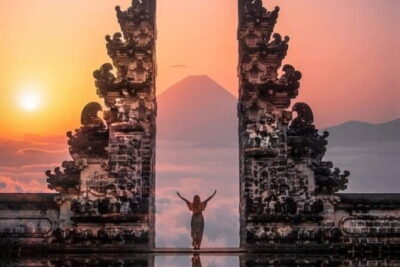
East Bali turns scenic hours into photo magic. This private door-to-door tour strings together jungle and temple stops with a big-photo highlight at Lempuyang Temple’s Gate of Heaven (plus the water-garden vibe around Tirta Gangga and Ujung). I like that the day is built for real viewing time, not just fast checkmarks.
The two parts I especially like are the calm-water atmosphere at the Tirta Gangga / Ujung area and the classic Bali photo moment at the Gate of Heaven. One consideration: the day depends on good weather, and if conditions are rough you may need a different date.
I also like the practical pacing. Your driver works around you, with room to pause for pictures and a schedule that stays manageable across a long day. And because it’s private, you’re not stuck matching someone else’s speed—stop when you want, move when you’re ready.
The one drawback to plan for is time in the car. East Bali sights take effort to reach from Ubud and south Bali, so wear comfy shoes and expect a full 7 to 8 hours.
In This Review
- Key highlights at a glance
- Private, door-to-door pacing for a 7–8 hour East Bali day
- Tibumana Waterfall: your first jungle reset near Ubud
- Celuk Village (silver-making): craft you can actually watch
- Tegalalang rice terraces: walking views and farmer contact
- Gunung Kawi Sebatu Temple: stone shrines with dynasty ties
- d’Alas Jungle Swing: the high-photo hour (and what to expect)
- Ubud Palace and the Traditional Art Market: finish in the cultural center
- What about Gate of Heaven and the water gardens?
- Value for $53: where your money goes (and how to get the most out of it)
- Weather and timing: the unglamorous part that controls the day
- Who this tour suits best
- Should you book this private Best of Ubud with Jungle Swing tour?
- FAQ
- How long is the tour?
- What is included in the price?
- Is lunch included?
- Do I need cash for entrance fees?
- What stops are included during the day?
- Do you pick up from hotels in Ubud?
- What happens if the weather is bad?
- Reviews snapshot (so you know what matters)
Key highlights at a glance
- Private, door-to-door pickup from Ubud and much of south Bali, so you start and end easily
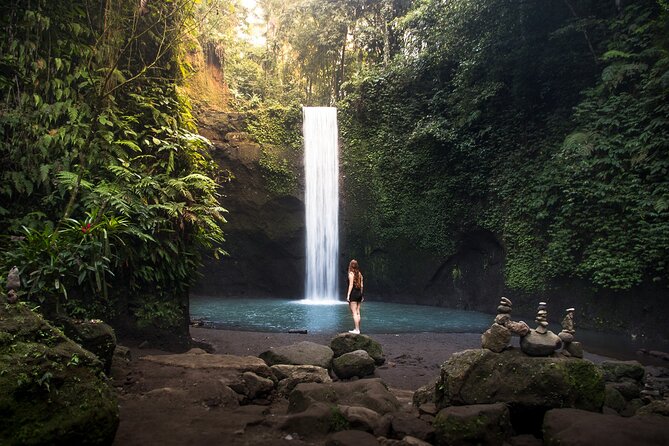
- Tibumana Waterfall: close-in jungle waterfall with a deep pool you can swim in
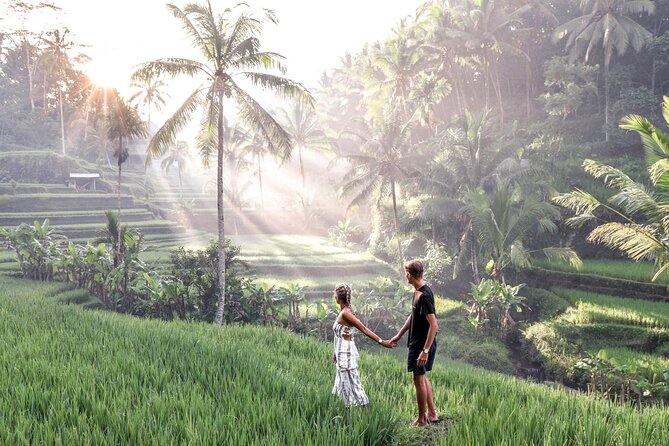
- Tegalalang rice terraces: walkways and viewpoints over terraced farms
- d’Alas jungle swing: a dedicated 1-hour stop for high, story-worthy photos
- Gunung Kawi Sebatu Temple: 11th-century rock-cut shrines tied to the Udayana dynasty
- Ubud Palace and the Traditional Art Market: cultural center finish with free stops
Private, door-to-door pacing for a 7–8 hour East Bali day
This is the kind of tour that feels like a “yes” to your own itinerary. You don’t have to herd your way through Bali on someone else’s timeline. Instead, you get a private car and a driver/guide, with pickup and drop-off from hotels in Ubud and much of south Bali.
The day is designed to pack several memorable places into a 7–8 hour window. That’s long enough to feel like a real outing, but not so long that you’ll be completely done by the first hour. I like this balance because it lets you actually look—at water pools, stone shrines, terrace views, and that big sky moment on the swing.
One other practical perk: the tour includes bottled water and entrance tickets, which cuts down on the usual “wait, where do we pay?” stress. You can focus on enjoying the stops instead of hunting for cards, lines, and confusing ticket booths.
You can also read our reviews of more private tours in Kuta
Tibumana Waterfall: your first jungle reset near Ubud
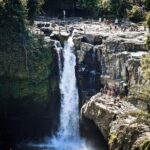
The tour starts at Tibumana Waterfall, one of the closest and most impressive waterfalls near Ubud. The setting matters here. You’re not just looking at a waterfall from a distant viewpoint—you’re in a jungle environment that feels tucked-in and calm compared with more famous, busier spots.
The listing calls out a deep pool for swimming, and that’s one reason this stop is a favorite. If you pack swimwear or at least quick-dry layers, you can turn a photo stop into a genuine break. Just be sensible: waterfall areas can be slick, so keep footing careful even if you’re not planning a full swim.
What I’d watch for: bring a simple plan for how you’ll handle wet gear. There’s no mention of lockers or changing rooms, so assume you’ll want to keep a dry bag ready. Also, if you’re traveling with anyone who’s not comfortable around water, you can still enjoy it as a scenic pause—swimming is optional.
Celuk Village (silver-making): craft you can actually watch

Next up is Celuk Village, known for traditional metalwork. This stop is a smart move because it breaks the scenery rhythm. After waterfall greenery, you get craft-focused, hands-on culture.
You’ll see the silver smith producing jewelry in a traditional way. That’s the kind of detail that changes how you see Bali souvenirs. You’re not just buying something shiny—you’re seeing the labor and process behind it.
This is also one of those stops that works well even if you’re not a big shopping person. You can watch for a full hour, take photos of work methods, and then decide what—if anything—you want to buy. Since the tour lists admission here as free, it’s a low-cost cultural detour that doesn’t eat up extra money.
A small consideration: Celuk is centered on craft sales. If you’re sensitive to constant selling, just stick close to the viewing areas and be clear when you’re done browsing.
Tegalalang rice terraces: walking views and farmer contact
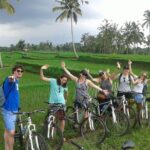
Then you’re in Tegalalang Rice Terrace area, one of Bali’s most photographed scenes. This stop is about more than looking. The schedule sets aside about 1 hour, which is long enough to walk around terrace edges and take in layered views.
The listing specifically mentions experiencing walking around the rice terraces and meeting local farmers. That matters. It’s the difference between “look, snap, leave” and “pause and understand what you’re seeing.” Rice terraces in Bali aren’t just scenery; they’re a working landscape shaped by local knowledge.
What can be tough: terraces can be hot, and paths can be uneven. Wear shoes you trust on dirt and stone. Also, if you want your best photos, plan to pause more than you think. It’s easy to rush because you’ll be tempted by every angle.
If you’re traveling with someone who doesn’t love walking, you can still enjoy the viewpoint sections, but the terrace experience improves if you’re comfortable moving slowly.
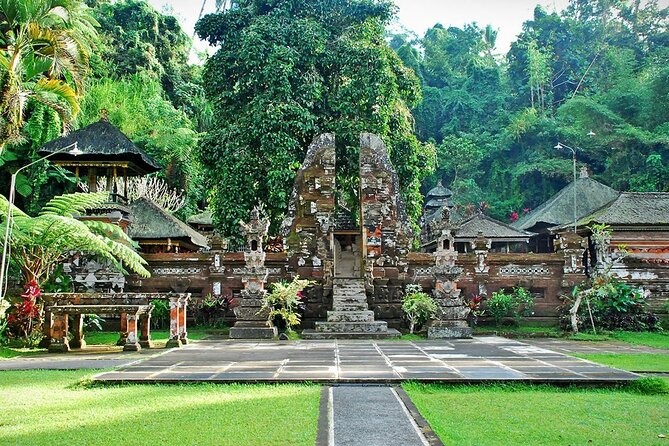
Gunung Kawi Sebatu Temple: stone shrines with dynasty ties

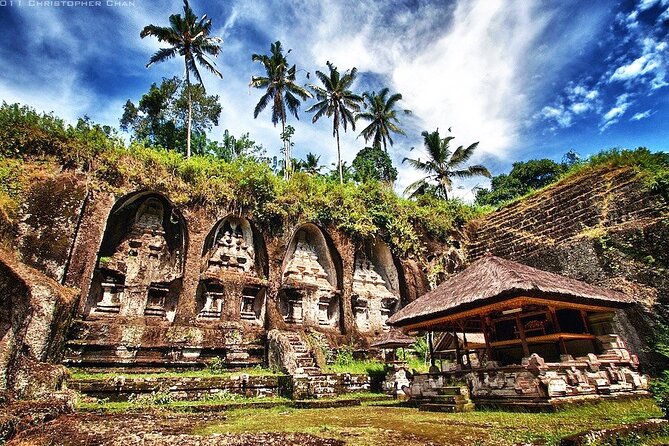
After terraces, the tour heads to Gunung Kawi Sebatu Temple, a funerary complex from the 11th century. This is a historical stop, but it doesn’t need to feel heavy.
The listing notes 10 rock-cut shrines dedicated to the Udayana dynasty. That one detail—Udayana—helps you connect the stonework to a specific lineage instead of seeing it as random rocks in a forest.
This stop is a good contrast to the swing and the terraces. It’s quieter and more about observation. You’ll want to take your time reading the space: the way the shrines are carved, how the area feels, and where you can look without blocking others.
One drawback to consider: temples and rock-cut sites often involve uneven ground. Go slow, and keep an eye on footing. Also remember that temples tend to have dress expectations. The tour doesn’t list a dress code, so bring something that helps you stay comfortable and respectful.


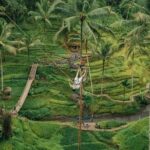

d’Alas Jungle Swing: the high-photo hour (and what to expect)
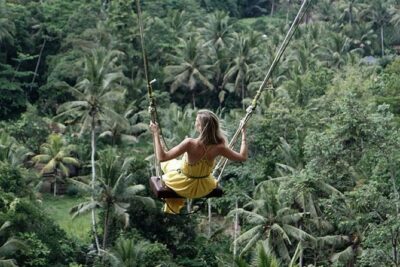
Yes, you’re swinging in Bali. The itinerary includes d’Alas Swing, and you’ll get a full 1-hour stop with the swing fee included.
This is the kind of photo moment that makes the day feel extra. It’s not just about views; it’s about the pose. The listing frames it as experiencing soar-high in the jungle swing and taking your best picture for memories.
What I recommend: treat the swing like a mini photo session rather than a single-second event. If you care about getting a good shot, arrive mentally ready to wait a bit and take a few angles. If weather shifts, it can affect how smoothly the session goes—again, the overall experience depends on good weather.
Also, if you’re nervous about heights, this stop can still work. You can watch first, then decide. But the listing does include it as an admission-like experience with a dedicated time slot, so you’ll want to check your comfort level before committing.
Ubud Palace and the Traditional Art Market: finish in the cultural center
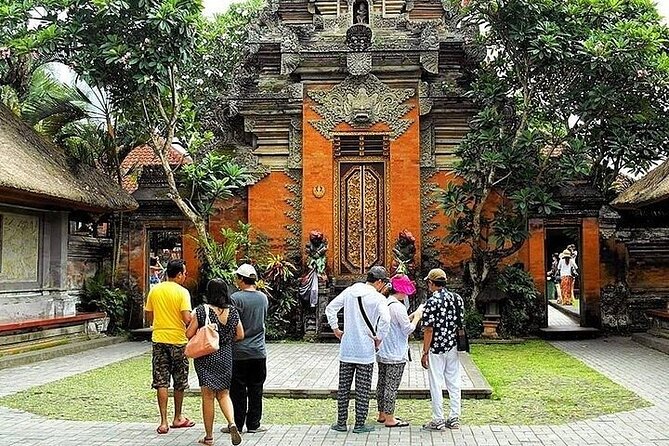
The last part of the day brings you back to central Ubud with two free stops:
- Ubud Palace (Puri Saren Agung): an historic building complex with intricate stone carvings and courtyards
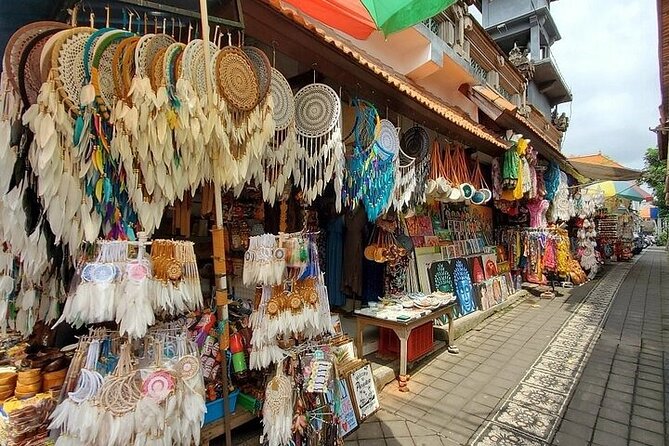
- Ubud Traditional Art Market: a chance to witness Bali art in the market setting
These are both good “wrap-up” places because they slow down the day and give you a sense of Ubud beyond scenery. The palace is more architectural—carvings, courtyards, and the feel of a cultural center. The market is more social and practical: you’ll get a real sense of how art and daily shopping overlap.
I like ending here because you can decide whether you want last-minute gifts or just a final browse. Since they’re listed as free on the itinerary, you can keep your budget under control while still getting cultural variety.
A quick practical note: markets can be busy and you may get approached about purchases. If you want to keep it simple, move with purpose, set a spending limit in your head, and enjoy the art you do find.
What about Gate of Heaven and the water gardens?
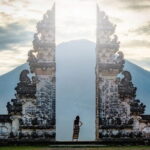
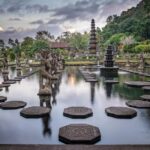
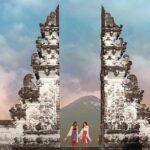
The tour’s description emphasizes East Bali’s major photo and sightseeing theme: Lempuyang Temple’s Gate of Heaven, plus the calm water environments of Tirta Gangga Water Garden and Ujung Water Palace.
Here’s my practical advice: because your day’s exact stop order can vary, confirm your final schedule after booking. If Gate of Heaven and the water gardens are included in your routing, plan your camera strategy early. These places are photo-forward, but the best results come from patience and timing.
For water gardens, think “quiet reflections” and slow looking. For Gate of Heaven, think “posed moment” and a clear plan for where you’ll stand and how you’ll handle crowds. The overall point is the same: this tour isn’t trying to be a museum bus. It’s trying to give you time for your best images and real atmosphere.
Value for $53: where your money goes (and how to get the most out of it)
At $53 per person, this is priced like a solid day outing for a private setup. The real value isn’t just the price tag; it’s what’s covered:
- Private car
- Driver or guide
- Bottled water
- All entrance tickets (as stated in the inclusions)
- Jungle swing fee included
That means you’re paying for transportation and a structured route, not a pile of extra surprises later. For places like waterfalls, temples, terraces, and a swing, entrance costs and activity fees add up fast if you do it on your own.
To get the best value, I suggest you do two things:
- Decide in advance what you want photos of most. If you’re all-in on the swing and the temple moment, you’ll appreciate the time reserved for them.
- Plan your snack and meal strategy. Lunch is not included, so you’ll need to eat on your own. If you want to avoid stress, grab a snack before pickup and keep it light.
Weather and timing: the unglamorous part that controls the day
This experience is listed as requiring good weather. In Bali, that can mean rain affecting visibility, ground conditions, and whether outdoor activities run smoothly. If conditions aren’t ideal, you may be offered a different date or a full refund.
So plan like a grown-up (yes, I mean it). Bring:
- Light rain cover or poncho
- Shoes you can handle wet paths in
- A small towel if you want to handle waterfall splash
- A dry bag or zip bags for phones and wallets
Also, keep expectations realistic: even with a private tour, you’re still driving between multiple areas. It’s not a single-site experience. It’s a full-day circuit, and the schedule works best when everyone stays flexible.
Who this tour suits best
This is a great fit if you want:
- A private, door-to-door day without the headache of planning transport
- A mix of religious/cultural sites plus photo moments (including the swing)
- Time to actually see things, not just stop, pose, and vanish
It’s especially strong for first-timers to Ubud who want classic Bali variety: waterfall nature, craft culture in Celuk, iconic rice terraces, and Ubud’s own palace-and-market atmosphere.
If you’re a hardcore history scholar, you might still enjoy the temple and palace context—but the tour is built more for experiences than for deep academic lectures. If you hate driving days, this one may feel long. But if you can handle 7–8 hours, it’s a practical way to hit several highlights in a single shot.
Should you book this private Best of Ubud with Jungle Swing tour?
If you want one day that covers waterfall + terraces + a swing + temples + Ubud center, and you like the idea of a private driver handling the route, I think it’s a good booking. The included entrance tickets and swing fee make it feel more complete than the cheaper “just transport” options.
Book it if:
- You’re excited by photo stops and want time for posing
- You value cultural context at temples and the Ubud palace/market finish
- You’re okay with a full, long day and some driving
Skip or double-check the plan if:
- You’re very weather-sensitive and can’t move dates
- You want a super-relaxed day with minimal driving
- You care about the exact set of East Bali highlights (Gate of Heaven / Tirta Gangga / Ujung) and want them confirmed in writing
FAQ
How long is the tour?
It’s listed as approximately 7 to 8 hours.
What is included in the price?
The tour includes a private car, driver/guide, bottled water, all entrance tickets, and the jungle swing fee.
Is lunch included?
No. Lunch is not included, so you’ll need to plan food on your own.
Do I need cash for entrance fees?
The inclusions say entrance tickets are included, but the tour description also advises bringing Indonesian money for entrance fees and food. Bring some cash for any extra purchases.
What stops are included during the day?
The itinerary lists Tibumana Waterfall, Celuk Village, Tegalalang Rice Terrace, Gunung Kawi Sebatu Temple, d’Alas Swing, Ubud Palace, and the Ubud Traditional Art Market.
Do you pick up from hotels in Ubud?
Yes. Pickup and drop-off are offered from hotels in Ubud and much of south Bali. Pickup outside the included area may cost extra depending on hotel location.
What happens if the weather is bad?
The experience requires good weather. If it’s canceled due to poor weather, you’ll be offered a different date or a full refund.
Reviews snapshot (so you know what matters)
This is rated 4.9 with 14 reviews, and it’s 100% recommended. The best recurring themes are that the cultural and religious sites feel genuinely interesting, and the tour provides strong information from your driver/guide so the places make more sense as you move through them.