REVIEW · KUTA
Discover Scuba Diving Tulamben Bali For Non-Certified Divers
Book on Viator →Operated by Blue Season Bali · Bookable on Viator
Tulamben is one of Bali’s best bets for a first underwater day, thanks to the USAT Liberty Shipwreck sitting surprisingly close to shore. I like that this experience is set up for non-certified swimmers: classroom-style basics, pool skill drills, then open-water time over a wreck with a shallow starting point. One thing to think about: you’ll start early and you do need to follow the medical-form and flight-timing rules.
What stands out for me is the focus on comfort and competence. You get a gear trial and paperwork in Sanur, then you practice skills in a pool before you go out with a professional PADI guide. In the feedback I’m using as guidance, instructors named Andy, Devin, Phoebe, and Guna show up as examples of the patient, safety-first approach.
The possible drawback is simple: this is a long day built around two underwater sessions, and your time in the water will depend on how you manage air. If you’re the kind of person who gets antsy with an early pickup, plan for a full day and a relaxed attitude once you’re in the water.
In This Review
- Key Things to Know Before You Go
- Why Tulamben’s USAT Liberty Shipwreck Works for First-Time Scuba
- Morning Pickup and Sanur Gear Trial: Where the Day Starts
- Pool Skills and Theory: The Confidence Builder You’ll Feel Later
- Two Ocean Sessions at the USAT Liberty Site
- What You’ll See: Corals, Sea Fans, Barrel Sponges, and Possibly a Turtle
- Transport, Timing, and the End-of-Day Reset
- Price and Value: What $206.48 Really Buys You
- Who Should Book This, and Who Should Think Twice
- Should You Book This Tulamben Scuba Try?
- FAQ
- Do I need to be scuba certified for this experience?
- How long is the full day?
- What’s the pickup and drop-off setup?
- What wreck site will you visit?
- Is equipment provided?
- Do you get training before the ocean?
- How long are the ocean sessions?
- What about lunch?
- Do I need to complete a medical form?
- What happens if weather is poor?
Key Things to Know Before You Go
- USAT Liberty’s shallow top at about 5 meters makes the wreck feel reachable for new scuba students
- Pool training plus theory helps you get your bearings before you enter open water
- Two separate ocean sessions (30–45 minutes each) with lunch break in between
- Shore entry and calm conditions are a big comfort factor for first timers
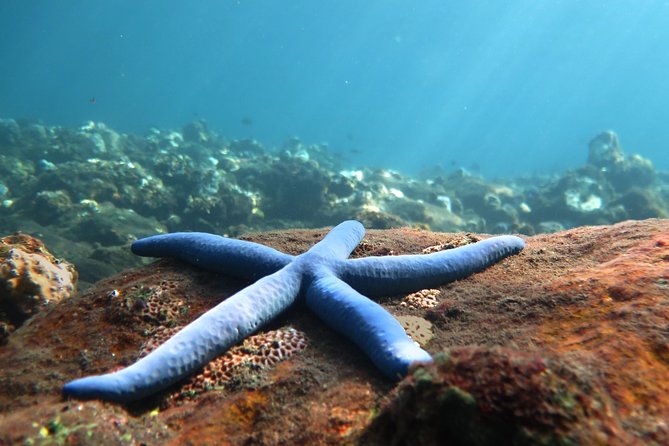
- Coral growth and marine life on the wreck include sea fans and barrel sponges
- Medical form and flight timing rules can affect eligibility
Why Tulamben’s USAT Liberty Shipwreck Works for First-Time Scuba
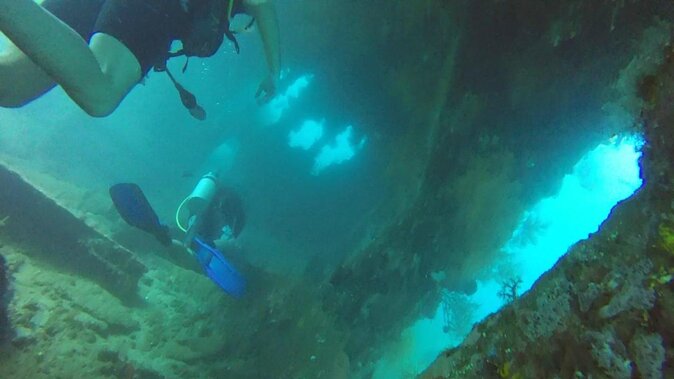
The big reason scuba fans make the trip to Tulamben is the USAT Liberty Shipwreck. It sits just about 40 meters from the beach, so you aren’t committing to a long boat ride before you even feel confident. Add the fact that the wreck’s top sits around 5 meters and the structure slopes down to roughly 30 meters, and you get a site that can match different comfort levels.
I also like the story of the wreck because it’s not just trivia—it explains what you’ll see. The ship ended up in shallow water due to a mix of torpedoes and a volcanic eruption, leaving a dramatic hull structure in relatively accessible depths. For first-time scuba students, that means you can focus on the experience of floating and exploring without constantly wondering whether the location is too hard.
This kind of underwater plan is built around reducing friction. Easy shore entry helps you skip the stress of water entry from a boat, and the day is paced with instruction first, water second, so you can build confidence step by step.
You can also read our reviews of more scuba diving tours in Kuta
Morning Pickup and Sanur Gear Trial: Where the Day Starts
Your day typically begins with pickup between 6:30–7:15 am. You’ll head to a scuba center in Sanur first for paperwork and an equipment trial, which is exactly what you want on a first underwater outing. Getting fitted and comfortable with the setup before you leave town makes the later water time far less stressful.
The transfer from Sanur to Tulamben is about 2.5 hours by mini bus. In real life, that travel time matters: it sets the rhythm for your whole day, so it helps to sleep well the night before and bring a small snack strategy if you’re a light eater in the morning (you do have lunch later, but the schedule is long).
You’ll also start hydrating early. The included touches—bottled water, plus coffee and/or tea and a welcome drink at the center—are small, but they help you stay steady before your first open-water practice.
Pool Skills and Theory: The Confidence Builder You’ll Feel Later
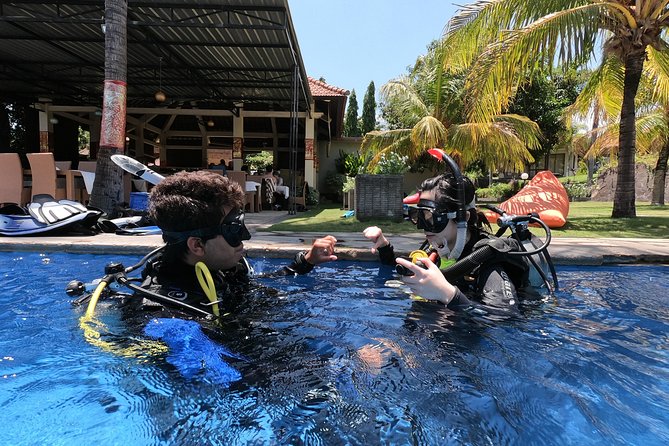
When you reach Tulamben, you don’t rush straight into open water. First comes a pool session with your instructor to learn basic skills, then theory that covers what you need to know before you head into the ocean. I like this structure because it turns scuba from something you’re hoping to survive into something you can actually understand.
The pool part is where you practice the mechanics that matter most: controlled breathing, comfort with your equipment, and the simple actions you’ll use later underwater. This matters because your brain will already be working—new buoyancy cues, new body sensations, new hand signals—so you don’t want to also be learning gear basics in the ocean.
After you master the skills in the pool, you go out for your first underwater session. That sequence keeps the day from feeling like a test. It also means that if you’re nervous, you have a clear plan: practice, then apply.
Two Ocean Sessions at the USAT Liberty Site
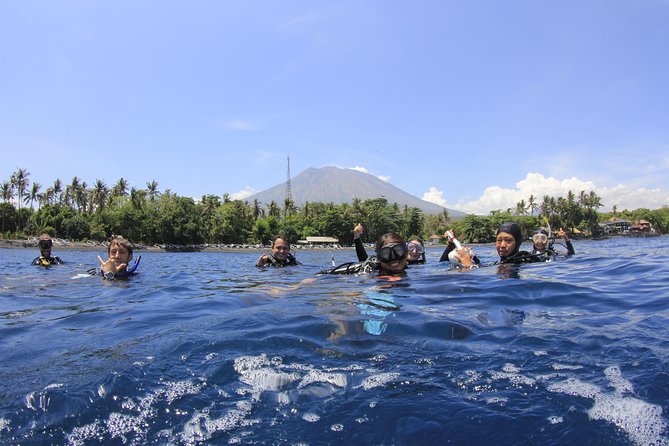
This experience includes two underwater sessions in the ocean, each lasting about 30–45 minutes. The length depends on air use, which is normal—your air consumption is influenced by comfort level, movement, and breathing pace.
Between sessions you’ll head to lunch at a restaurant. I think this break is underrated. After your first underwater time, your body needs a reset, and the schedule gives you that. It also gives your instructor a natural moment to confirm how you’re doing before the second session.
What I’d look for (and what this plan is designed around) is the combination of calm conditions, good visibility, and a wreck site that doesn’t demand extreme depth. The USAT Liberty’s layout helps here: the top section is shallow (around 5 meters), and the wreck extends down toward about 30 meters. In practical terms, that means your underwater experience can start in a depth that’s more manageable while still letting you explore the ship’s structure.
One more comfort win: the wreck is known for being accessible near shore. For non-certified students, that access reduces the number of variables you have to manage on day one.
What You’ll See: Corals, Sea Fans, Barrel Sponges, and Possibly a Turtle
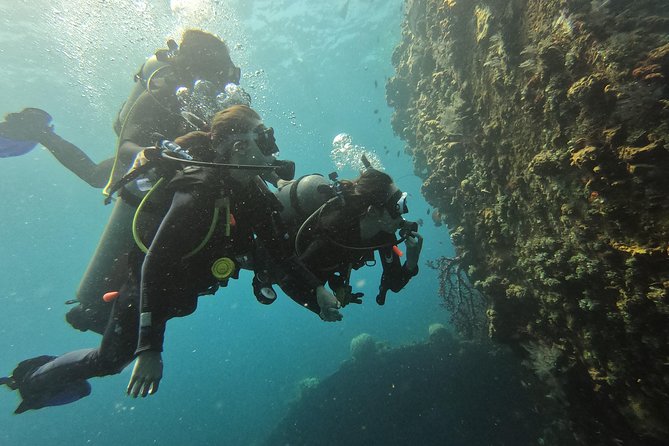
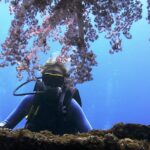
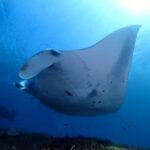
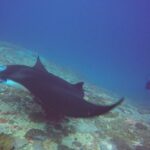
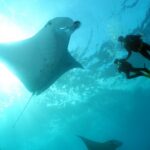
This wreck is famous because it’s not just metal. It’s covered with healthy corals, sea fans, and great barrel sponges, so you’re not looking at a lifeless structure. Instead, you’re looking at a reef-like underwater habitat built on top of WWII history.
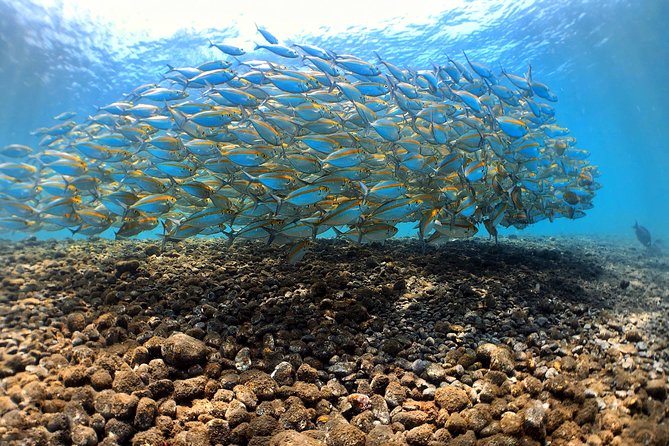
The site also supports a lot of fish life. The plan notes that you can expect to see many different fish, and there’s a chance you may cross paths with a turtle. I recommend you treat that turtle possibility as a bonus, not a promise—what matters most is that the wreck habitat makes the viewing interesting even if you see only fish and coral.
Depth matters for what you notice. Near the shallower sections, you may get a clearer sense of the wreck’s shape and the way the structure sits in the water column. Lower down, visibility and currents can change the feel of the scene, so your comfort and training level will shape how much of the wreck you get to explore.




Transport, Timing, and the End-of-Day Reset
After the two sessions, you’ll have time to shower and change. That’s a simple inclusion, but it matters in Bali, where you’ll likely spend the rest of your day in heat and traffic. Having a chance to rinse off before heading back makes the experience feel less like you’re just getting soaked and sent home.
The day usually runs long. You’ll typically arrive back at the scuba center around 5:00 pm, then you’ll be dropped back to your accommodation. If you’re staying in the Kuta area, this pickup and drop-off setup is helpful because it removes the need to coordinate local transport after a tiring day.
The schedule also means you should keep evening plans light. Even if you sleep through the travel, your body will have done work—breathing differently, staying neutrally buoyant, and focusing on controlled movements for two separate underwater sessions.
Price and Value: What $206.48 Really Buys You
At $206.48 per person, this isn’t a barebones outing. The value comes from what’s bundled into the price.
You get:
- Pickup and drop-off from selected areas/hotels
- Air-conditioned vehicle transport
- A gear trial and use of scuba equipment
- Towels and bottled water
- Coffee and/or tea plus a welcome drink at the center
- Lunch
- A professional PADI guide
- Scuba insurance
For a first-time student, the big cost drivers are usually instruction, equipment, transport, and safety coverage. Since those are included here, your money is going mainly toward the structure of the day—training, guides, and the wreck sessions—rather than add-ons.
Also remember the tradeoff: you’re paying for a group-based experience. Private guide or private car aren’t included. That can be totally fine if you want the best value and don’t need a tailored, one-on-one schedule.
Who Should Book This, and Who Should Think Twice
This experience is clearly aimed at non-certified divers. The plan notes that most travelers can participate, and it’s specifically set up with pool instruction, theory, and two ocean sessions. If you’re nervous about taking the first step, I like that you don’t go straight into the ocean. You earn the right to go in by practicing skills first.
It’s also a strong match if you want WWII history plus real reef growth. The USAT Liberty wreck isn’t just a “wreck photo” site—it has corals and sponges, so your underwater experience can feel like nature as much as history.
Think twice if you have either of these constraints:
- Your flight timing is tight. It’s not suitable for flights of less than 24 hours due to diving regulations.
- You have a medical issue that affects scuba eligibility. You’ll need to complete a medical form, and if you answer yes to any question, you’ll need a doctor’s note.
Finally, the day depends on weather. If conditions aren’t good, you’ll be offered another date or a full refund, which is important for planning around Bali’s shifting conditions.
Should You Book This Tulamben Scuba Try?
If your goal is a first-time scuba experience centered on the USAT Liberty Shipwreck, I think this one is a strong choice. You’re getting the key ingredients—pool skills, a professional PADI guide, gear included, lunch included, and easy shore access—at a price that bundles the real essentials. The structure also helps you manage anxiety because you know exactly what’s coming: paperwork, gear trial, pool practice, then two ocean sessions.
Book it if you want an organized, instruction-led day over an accessible wreck with plenty to see. Skip it if your schedule is too tight for an early start, your flight arrival is within 24 hours, or your medical history requires special clearance you’re not ready to document.
If you’re planning ahead, you’ll likely want to reserve early too, since this experience is commonly booked about 28 days in advance.
FAQ
Do I need to be scuba certified for this experience?
No. This is designed for non-certified divers, with pool skills and theory before you go into the ocean.
How long is the full day?
It runs about 11 hours (approx.), from morning pickup through the return in the late afternoon.
What’s the pickup and drop-off setup?
Pickup is offered from selected areas/hotel locations, typically between 6:30–7:15 am, and you’ll be dropped back after you return to the dive center around 5:00 pm.
What wreck site will you visit?
The main underwater highlight is the USAT Liberty Shipwreck near Tulamben.
Is equipment provided?
Yes. The price includes the use of scuba equipment, plus towels and other day basics like bottled water.
Do you get training before the ocean?
Yes. You’ll do paperwork and an equipment trial in Sanur, then practice basic skills in a pool and review the theory before your ocean sessions.
How long are the ocean sessions?
You’ll have two ocean sessions, each about 30–45 minutes, depending on how much air you use.
What about lunch?
Lunch is included between the two ocean sessions.
Do I need to complete a medical form?
Yes. You must complete a medical form. If you answer yes to any question, you’ll need a doctor’s note.
What happens if weather is poor?
This experience requires good weather. If it’s canceled due to poor weather, you’ll be offered another date or a full refund.