REVIEW · JIMBARAN
Uluwatu Kecak Tickets A Spectacular Show
Book on Viator →Operated by PBRB · Bookable on Viator
Bali does cliffside theater better than most places. This Uluwatu Kecak and fire dance experience puts you in an open-air amphitheater overlooking the Indian Ocean at sunset, with flaming torches and a story told by a large group of male dancers chanting rhythmic chak sounds. I like that you can plan your evening with a choice of two performance times and still keep things simple. One big reason I’m a fan of this setup is that prebooking helps you avoid the kind of ticket-line crush that can stretch for an hour.
The show itself is the main event: costumed dancers, fire elements, and the Ramayana story unfolding through synchronized movements, chant, and dramatic stage moments. I also like that you’re paying specifically for the performance side of the experience, so you know what you’re getting in your ticket. One consideration: the package includes only the Kecak tickets, not Uluwatu Temple entry, which costs extra (Rp. 50,000 adults; Rp. 35,000 children).
In This Review
- Key highlights to know
- Uluwatu Kecak on the Clifftop: What Makes This Night Work
- Tickets That Cut Through the Line (And Save You Money Stress)
- Your Pre-Show Window at Uluwatu Temple: Use It for Views, Not Waiting
- Inside the Amphitheater: What the Kecak Show Feels Like
- Timing: Choosing Between Two Performance Sessions
- Price and Value: Why This Ticket Feels Fair
- Who Should Book This (And Who Might Skip It)
- Practical Tips for Better Seats, Photos, and a Smoother Night
- Should You Book This Uluwatu Kecak Ticket Package?
- FAQ
- FAQ
- What’s the duration of the Uluwatu Kecak show?
- Where does the experience start?
- Is Uluwatu Temple entry included in the ticket price?
- How do ticket pickup and entry work?
- How much does it cost?
- Is the show affected by weather?
- What is the cancellation policy?
Key highlights to know
- Skip the worst queue by picking up prebooked tickets near the amphitheater
- Sunset views + flaming torches make the performance feel extra cinematic
- Kecak chant and Ramayana storytelling delivered by a large group of male dancers
- Fire-dancing elements and a fire-monkey warrior character add punch beyond chanting
- Two performance choices so you can fit it around dinner plans
- Limited group size with a maximum of 100 travelers
Uluwatu Kecak on the Clifftop: What Makes This Night Work
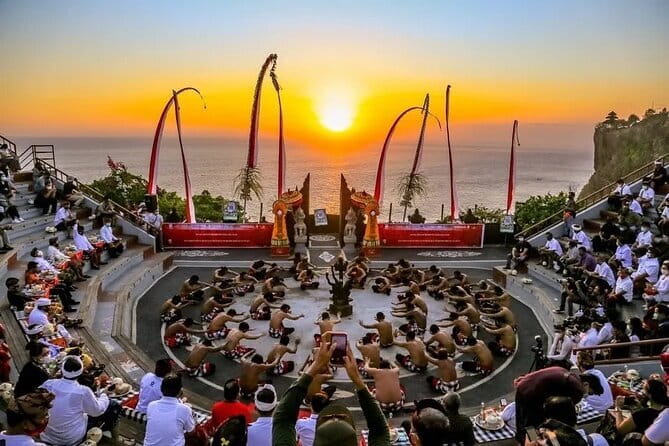
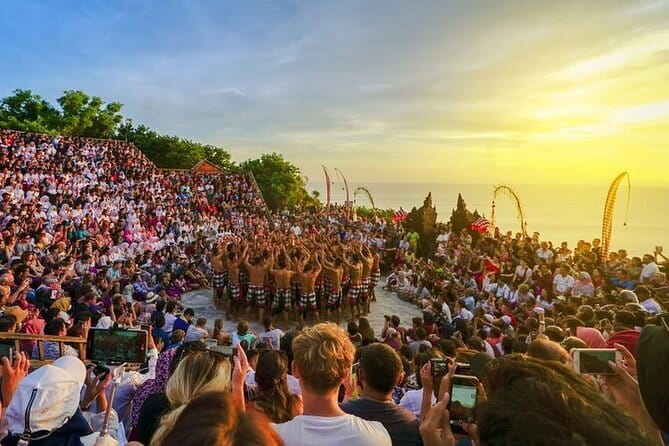
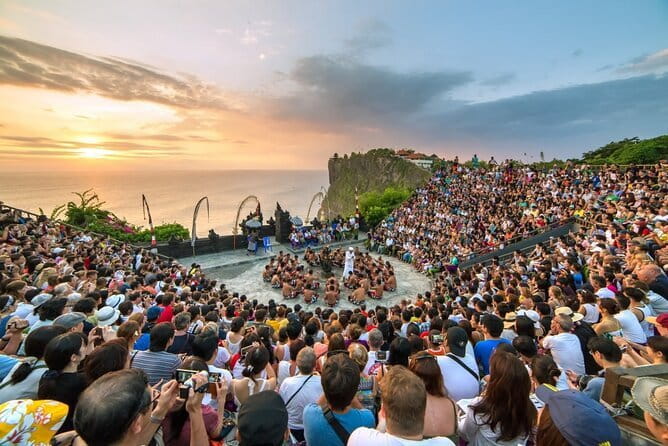
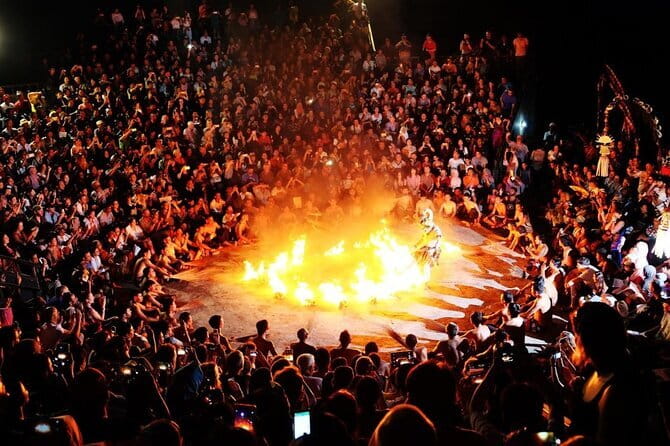
This is one of those Bali experiences that feels like it was designed for a specific time of day: sunset. The Uluwatu Temple sits high above the Indian Ocean, and the performance happens in an open-air amphitheater. When the sky goes orange and then darker, the chanting and flames hit harder. You’re not just watching a cultural show; you’re watching it with the ocean and evening light doing half the job for you.
What I like about the format is that it’s easy to read from your seat. The cast is sizable, and the signature sound is clear right away. The men chant rhythmic chak in unison while the story moves through dramatic group gestures. That makes it less intimidating if you don’t know the Ramayana details—your eyes and ears still get the rhythm.
Also, the show isn’t only “chanting and costume.” The performance includes fire elements and characters tied into the dramatic arc of the tale. The overview even calls out a beatboxing male voice choir and a fire-dancing monkey warrior, which tells you this is meant to feel energetic, not museum-quiet.
You can also read our reviews of more tours and experiences in Jimbaran

Tickets That Cut Through the Line (And Save You Money Stress)
The value here is not just the show—it’s how you get in. At Uluwatu, the ticket lines can be long, and waiting in the sun or humidity is not a fun way to spend your evening. This ticket option lets you pay online in advance, then pick up your tickets at a meeting point near the amphitheater. That matters if you’re trying to time everything around sunset.
The practical win is that you’re not scrambling for cash right at the venue or worrying about exchange rates at the last moment. The price you see is the price you plan around, and the pickup process is designed to be quick.
A detail I consider especially helpful: some people have been guided to the right meeting point and timing by staff communication, including references to a guide named Aldi and a direction video associated with Mufti. Whether it’s a video or a message, the point is the same: you get enough information to find the pickup spot fast, which reduces the chance of showing up late and ending up with the worst seats.
Your Pre-Show Window at Uluwatu Temple: Use It for Views, Not Waiting
Your stop begins at Uluwatu Temple (Pecatu, South Kuta). The day plan is simple: arrive, explore the temple area, then settle into the amphitheater for the performance as evening approaches. The temple entrance ticket is separate—adults pay Rp. 50,000 and children pay Rp. 35,000—so build that cost into your mental budget.
If you only care about the show, you might think you can rush in and go. But the temple setting is a big part of what makes Uluwatu feel different from other Bali stages. You’ll get cliff-edge ocean views and the sacred atmosphere that comes with the temple environment.
One thing you should treat as real: monkeys. The feedback and practical tips around Uluwatu commonly warn about monkeys getting into bags. If you carry a purse, phone pouch, or anything you can’t afford to lose, keep it secured and zipped. Don’t dangle straps where a monkey can grab. It’s also smart to hold on to valuables rather than placing them where you’d need to move quickly.
Inside the Amphitheater: What the Kecak Show Feels Like
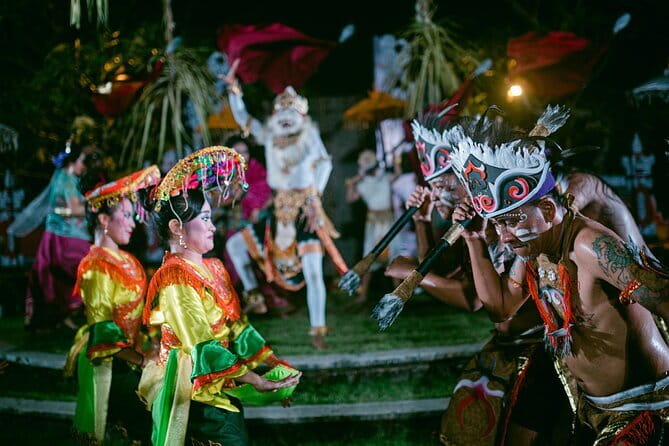
Once the amphitheater fills, the show becomes a mix of sound, story, and spectacle. The Kecak performance is led by a large group of male dancers who chant rhythmic chak in unison. That chanting isn’t background noise—it’s the engine. It sets the tempo, supports the drama, and gives you something to follow even if you’re not tracking each plot beat.
The narrative is tied to the Ramayana. Storytelling in this kind of performance tends to be conveyed through gestures, group formations, and the way scenes shift from one moment to the next. So the experience works even when your Bali vocabulary ends at hello.
As the sky darkens, the stage lighting and flames take over. The overview specifically mentions flaming torches, and that detail matters. Fire elements look best when the ambient light fades, which is exactly what happens around sunset. This is why planning your seat time matters more than you’d think. If you arrive too late, you might miss the transition from daylight to “flames-on” atmosphere.
The performance also includes additional flair beyond the standard Kecak concept: a beatboxing male voice choir is mentioned in the show description, and there’s a fire-dancing monkey warrior element. Put those together and you get a performance that feels more modern and theatrical than a quiet chant-only ritual.
Timing: Choosing Between Two Performance Sessions
You get a choice of two performances. That’s not just flexibility—it’s how you match the show to the rest of your trip. If you plan dinner early, pick the session that leaves you breathing room after. If you want the most dramatic sunset lighting, aim for the later option close to sundown.
One session time that shows up in provided information is a 6pm sunset show. If that time works with your schedule, it’s a straightforward choice because it aligns with the whole point of the venue: sunset on a cliff with torches blazing.
Duration is listed as about 2 hours (approx.). Think of it as a full evening block: you’ll want time to get from the pickup point to your seating and still settle in before the main action really ramps up.





Price and Value: Why This Ticket Feels Fair
The ticket price is listed at $17.50 per person. On its own, that can feel a bit high if you compare it to paying for a show ticket at a smaller venue. But Uluwatu’s popularity creates the tradeoff: long lines and limited good seating near sunset.
This package is essentially paying for two things:
- Guaranteed entry through prebooking
- Less hassle compared with queuing at busy times
That second point is real value. Even if you don’t mind crowds, spending an hour in line can scramble your evening plan. Here, you’re buying back time and reducing stress. People often remember the show more when they don’t feel rushed or sweaty before it starts.
Still, don’t miss the extra cost: the Uluwatu Temple entrance fee is Rp. 50,000 adults and Rp. 35,000 children. So your total spend is your Kecak ticket plus the temple entry. It’s common sense, but I’m glad it’s clearly stated because it prevents a surprise at the gate.
Also note what’s included and what’s not: the package includes only Kecak dance tickets. If you’re expecting a full guided tour of the temple with an interpreter, this isn’t framed that way. The experience is about the performance and making entry smoother.
Who Should Book This (And Who Might Skip It)
This ticket setup is a strong match if you:
- Want a signature Bali cultural performance at a dramatic clifftop setting
- Care about sunset timing and would rather not gamble with last-minute ticket lines
- Prefer a simpler plan where your main focus is the show
It’s also useful if you’re traveling with limited time. The “book in advance, pick up at the meeting point near the amphitheater” rhythm is built for people who don’t want to spend their night hunting for tickets.
On the other hand, you might rethink it if:
- You’re hoping the package includes temple entry tickets or a guided temple tour. Temple entry is separate, and the ticket is specifically for Kecak.
- You’re expecting a long, structured “tour” format. The experience is timed around the performance and your temple visit.
If you’re going solo, this can still work well because the show is easy to enjoy from a seat and the venue is designed for spectators. One solo visitor specifically highlighted feeling safe and comfortable, which is a reassuring signal for first-timers.
Practical Tips for Better Seats, Photos, and a Smoother Night

Let’s make this easy on you. Here are the real-world moves that help at Uluwatu:
Arrive with a buffer. Even if the ticket pickup is quick, the show is timed around sunset. Getting there early improves your odds of a good viewpoint as the lighting changes. It also gives you time to handle the temple area without rushing.
Plan for temple entry cost. Adults pay Rp. 50,000 and children Rp. 35,000. If you ignore this, you’ll feel the hit later.
Guard your belongings from monkeys. Keep bags closed and don’t set valuables in open reach. Treat the problem like it’s real, not like a rumor.
Think about what you’re photographing. This experience is built for pictures: costumed dancers, torches, and sunset all in one frame. To photograph well, you’ll want to be settled before the flames really light up. That means not sprinting in late.
Use the pickup guidance. When meeting point instructions are clear, you lose less time. Names like Aldi and direction help like a Mufti video have been mentioned as helpful examples. If you receive extra instructions, take them seriously and follow them.
Dress for evening. The show lasts about two hours and happens outdoors in open-air seating. Expect it to cool down compared with midday, even if you’re arriving in warm weather.
Should You Book This Uluwatu Kecak Ticket Package?
If your goal is a top-tier Bali cultural performance with sunset drama, I’d book it. The main reason is simple: you pay for the experience and for a smoother entry process that avoids long queues at a popular venue. The show’s signature structure—large groups chanting chak sounds, Ramayana storytelling, and fire elements—makes it rewarding even if you don’t speak the language.
I would book it especially if:
- You’re on a tight schedule
- You want a low-stress evening plan
- You’re determined to see the clifftop sunset atmosphere with flaming torches
My one caution is budget realism. Add the temple entry fee to your plan, since this ticket covers only the Kecak portion. Once you account for that, the overall value looks solid for what you get: a memorable, timed performance in one of Bali’s most dramatic settings.
FAQ
FAQ
What’s the duration of the Uluwatu Kecak show?
The performance is listed as about 2 hours (approx.).
Where does the experience start?
It starts at Uluwatu Temple, Pecatu, South Kuta, Badung Regency, Bali, Indonesia.
Is Uluwatu Temple entry included in the ticket price?
No. The Kecak ticket is included, but Uluwatu Temple entrance is not included. The temple fee is Rp. 50,000 for adults and Rp. 35,000 for children.
How do ticket pickup and entry work?
You prebook online, then pick up your tickets at the meeting point near the amphitheater.
How much does it cost?
The price is $17.50 per person.
Is the show affected by weather?
Yes. This experience requires good weather. If it’s canceled due to poor weather, you’ll be offered a different date or a full refund.
What is the cancellation policy?
You can cancel for free up to 24 hours in advance for a full refund. Changes within 24 hours of the start time aren’t accepted, and cut-off times are based on local time.