REVIEW · SEMINYAK
Canggu Motorbike Lessons
Book on Viator →Operated by Canggu Scooter Lessons · Bookable on Viator
Manual motorbike lessons in Bali feel surprisingly doable. This is a 2-hour manual motorbike lesson in the Canggu/Seminyak area, starting on a quiet village street and designed to take you from theory to street confidence. You meet at C.S.L Meeting Point (94GX+FX7) at 9:00am, then return there when you’re done.
What I like most is the step-by-step structure: theory first, then core handling skills like the clutch and gears, and only then real street riding. I also like the confidence-building tone that people associate with instructors such as Rico, Dino, and Gede, especially when you need reassurance or you want slower practice until it clicks.
One consideration: this is manual motorbike training, not a scooter lesson, and you’re required to have scooter riding experience plus a valid license. If you’re brand-new to two wheels, you may want to get a scooter refresher first.
In This Review
- Key things to know before you go
- Manual motorbike training begins on a quiet Canggu street
- What you learn first: how the bike works and the clutch reality
- Hill starts and emergency braking: the skills that keep you calm
- Only ride on the street when you’re actually ready
- Gear and comfort: what’s included (and what that changes)
- Price and value: why this is a smart “skills insurance” purchase
- Who should book this, and who should wait
- Practical expectations: what to do before the start
- Should you book Canggu Motorbike Lessons?
- FAQ
- Is this lesson for a scooter or a manual motorbike?
- Do I need scooter experience before I take this?
- Do I need a valid license?
- Where do we meet, and when does it start?
- How long is the lesson?
- What’s included in the price?
- Is this a private activity?
- What happens if weather is bad?
- Can I cancel and get a refund?
Key things to know before you go
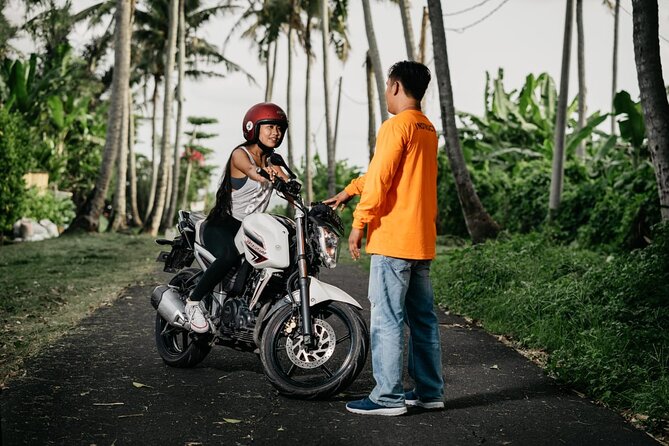
- Manual, not scooter: you’ll learn a clutch-and-gears motorcycle setup.
- Scooter experience required: you should already feel comfortable with basic motorbike riding.
- Built around confidence: street riding only starts once you’re ready.
- High-safety skill focus: you practice clutch control, hill starts, and emergency braking.
- Protected practice: the lesson includes helmet and knee & elbow protectors.
Manual motorbike training begins on a quiet Canggu street
This lesson is set up like a practical training session, not a “watch and hope” experience. You start at C.S.L Meeting Point on a calm village street in Canggu (Kuta Utara area), which is a smart choice because you can focus on the bike without immediately getting dumped into Bali traffic chaos.
The timing also helps. Starting at 9:00am gives you clean daylight for learning and fewer distractions. And since it’s about 2 hours total, you get concentrated coaching without a long day that fries your attention span.
This is also private, meaning only your group participates. That matters because motorbike skills improve faster when your instructor can correct your specific motions and timing instead of splitting focus across a larger group.
You can also read our reviews of more tours and experiences in Seminyak


What you learn first: how the bike works and the clutch reality
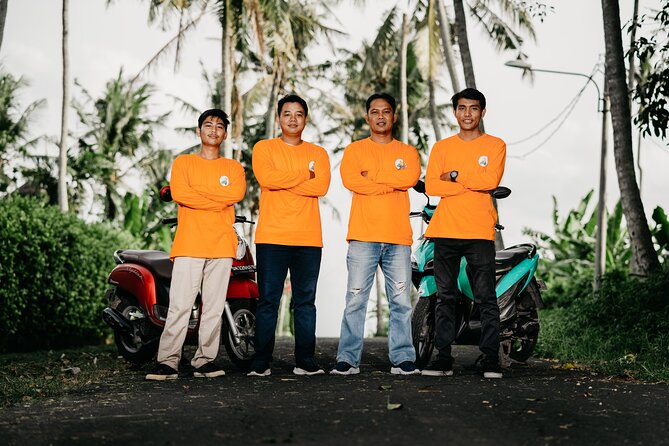
You begin with theory on how the motorbike works and what each control does. It’s not overcomplicated, but it’s essential, because a manual bike punishes confusion. You can’t treat the clutch like a mystery button and expect smooth starts.
Then you move into the basics, and this is where the lesson earns its money. The core topics include:
- Clutch control (the foundation of smooth movement)
- Gears (learning what changes, when to shift, and how to avoid jerky power)
- Hill starts (because starting on an incline can throw your timing off fast)
- Emergency breaks (so panic doesn’t take over when you need to stop quickly)
This order is good. First you understand the bike, then you practice the moves that create control, then you stress-test your stopping ability. That’s a much safer path than trying to “learn gears” while you’re already trying to blend into traffic.
Hill starts and emergency braking: the skills that keep you calm
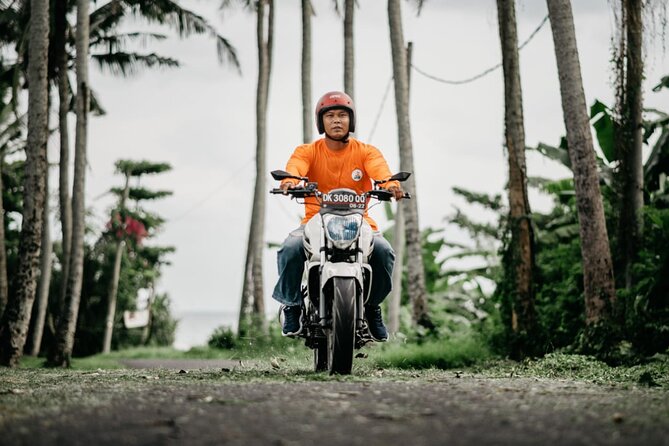
If you ride in Bali, you’ll quickly realize that the roads demand quick decisions. Even when you’re careful, you can get caught in sudden stops or need to start moving again on a slope.
That’s why practicing hill starts inside a lesson is such a big deal. Hill starts aren’t just about getting up the incline. They’re about controlling movement at low speed, coordinating clutch engagement and throttle, and preventing the bike from rolling back. Done right, it turns a stressful moment into something you’ve already trained.
And then there’s emergency braking. People often focus on acceleration, but safe riding is about stopping well too. You’ll train the actions required to stop when you need to, which helps you avoid the classic mistake of freezing or overreacting.
The best part is that the lesson doesn’t rush you into these topics. You practice until you’re ready, and the session is designed to build calm, not just speed.
Only ride on the street when you’re actually ready
One of the most useful parts of this lesson is the rule that street riding happens later. You don’t immediately jump into a busy road. After the clutch, gears, hill starts, and emergency braking basics, you continue only once you’re described as confident enough.
That approach fits real learning. Your first goal shouldn’t be looking cool on a bike. Your first goal should be riding without fighting your hands and feet. Once the controls feel natural, street riding becomes less about survival and more about applying what you trained.
It also means you can take break time if you need it. That’s important because motorbike skills can turn stressful fast if you’re exhausted. Short resets help you keep control of your technique instead of repeating mistakes with shaky concentration.
Gear and comfort: what’s included (and what that changes)
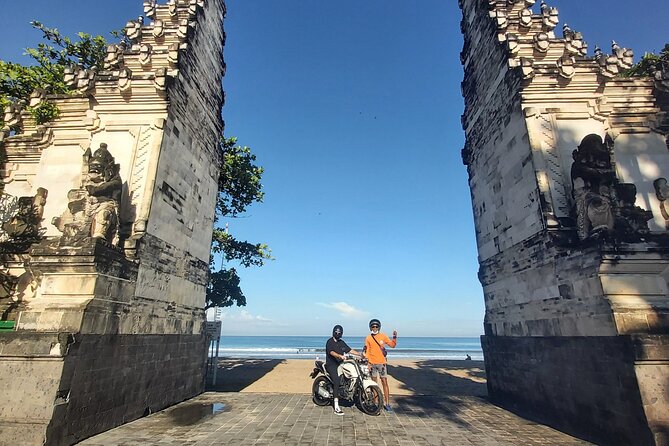
For $35 per person, you get more than just an instructor talking at you. Included are:
- Motorbike & helmet
- Bottled water
- Knee & elbow protectors
This is value you can feel immediately. The bike and helmet remove two common barriers: you don’t have to source the right equipment, and you don’t have to guess what you’ll be practicing on. The protectors also shift the vibe from casual practice to structured safety.
If you’re nervous about learning in Bali traffic conditions, included protection can help you focus on control rather than worrying about minor falls. And with bottled water provided, you’re less likely to get drained during the 2-hour training block.
Not included is private transportation, so you’ll want to plan your own way to C.S.L Meeting Point.



Price and value: why this is a smart “skills insurance” purchase
At $35 for about 2 hours, this sits in the low-to-mid range for hands-on instruction in Bali, but the real value is what you’re buying: structured training on a manual motorcycle.
Manual bikes are a bigger learning curve than automatic scooters. If you try to figure it out on your own on day one, you’re likely to waste time, stress out, or create unsafe situations. Here, you get coaching on exactly the skills that cause trouble most often: clutch timing, gear changes, starting on inclines, and braking correctly.
It’s also priced per person, and the session is private to your group, which makes the cost feel more reasonable when you compare it to trial-and-error riding after you arrive.
Finally, the practical schedule matters. This experience is commonly booked about 5 days in advance, so if you want a specific date, plan ahead instead of waiting until you’re already in Bali.
Who should book this, and who should wait
This lesson is best for people who:
- Want to learn a manual motorbike
- Have scooter riding experience already
- Can follow instructions and practice consistently during the session
- Have a valid license
- Are comfortable with a moderate physical fitness level
It may not be the right fit if you are completely new to riding, because the course expects scooter familiarity and moves directly into manual-specific control work. It’s also not designed as a scooter lesson, so don’t expect training on an automatic or scooter-only setup.
If you’ve ridden before but you’re rusty, this kind of reset can help a lot. The confidence-focused coaching style associated with instructors like Rico, Dino, and Gede comes up again and again when people talk about feeling reassured, learning at an easier pace, and building comfort before taking on roads.
Practical expectations: what to do before the start
You’ll get confirmation at booking time, so you should have the details you need without endless back-and-forth. The lesson also uses a mobile ticket, so you’ll want your phone ready at the meeting point.
Because a valid license is required, make sure yours is current before you go. This isn’t the kind of activity where you can show up and sort it out on site.
Weather matters too. The experience requires good weather, and if it’s canceled due to poor weather, you’ll be offered a different date or a full refund. That means you should avoid planning other tight commitments right around the lesson time.
Should you book Canggu Motorbike Lessons?
If your goal is to ride a manual motorcycle in Bali with better control and less panic, I think this is an easy yes. You get focused training on the clutch-and-gears foundation, plus the “real life” skills that protect you—hill starts and emergency braking—all before street riding begins.
Book it if you already know how to ride a scooter, because that requirement means you’ll spend your time learning what’s different about manual bikes, not relearning how to balance. And if you’re the type who needs reassurance until it feels natural, this course is structured for patience, not pressure.
Just don’t treat it like a casual shortcut. It’s a real skill lesson with real safety expectations, including a valid license, so come prepared and you’ll leave feeling far more in control than you would after guessing on your own.
FAQ
Is this lesson for a scooter or a manual motorbike?
It’s a manual motorbike lesson, not a scooter lesson.
Do I need scooter experience before I take this?
Yes. You are required to have experience riding a scooter.
Do I need a valid license?
Yes. Travelers should have a valid license.
Where do we meet, and when does it start?
You meet at C.S.L Meeting Point (94GX+FX7, Canggu, Kuta Utara, Badung Regency, Bali 80351, Indonesia). The start time is 9:00am.
How long is the lesson?
The duration is about 2 hours.
What’s included in the price?
Included are the motorbike and helmet, bottled water, and knee & elbow protectors.
Is this a private activity?
Yes. It’s private, and only your group will participate.
What happens if weather is bad?
The experience requires good weather. If it’s canceled due to poor weather, you’ll be offered a different date or a full refund.
Can I cancel and get a refund?
Yes, cancellation is free. You can cancel up to 24 hours in advance for a full refund. If you cancel less than 24 hours before the start time, the amount paid will not be refunded.