REVIEW · SEMINYAK
Ubud Cultural and Historical Guided Tour with Transfer
Book on Viator →Operated by Bali Tourist Information · Bookable on Viator
Ubud’s temples teach you how life works. This 10-hour route links Batuan Village’s traditional home culture with major spiritual sites, including Goa Gajah and Tirta Empul, with an English-speaking guide who can explain what you’re actually seeing. I especially liked the way guides such as Kadek kept things calm and made the stories feel usable, not just lecture-mode.
Two things really landed for me: the air-conditioned vehicle made the long day manageable, and bottled water kept me from doing that too-common Bali math (How soon until the next stop?) between sites. One thing to watch is that several temple entrance fees are not included, and there’s no meal included, so you’ll want to plan for added costs and get your timing right.
In This Review
- Key highlights to know before you go
- How Seminyak pickup and a 10-hour day really plays out
- Batuan Traditional House Compound: family life behind the Balinese look
- Puseh Batuan Temple and Khayangan Tiga: Vishnu at the village level
- Elephant Cave (Goa Gajah): 11th-century roots and a water-focused space
- Gunung Kawi: King memorial shrines carved into stone
- Tirta Empul Spring Water Temple: where cleansing rituals drive the pacing
- Gunung Kawi Sebatu Temple: another Vishnu-linked stop on the same theme
- Price and logistics: what $45.91 buys you, and what you add at the door
- How the guides can make or break this kind of route
- Who should book this Ubud heritage day
- Should you book this Ubud Cultural and Historical Guided Tour with Transfer?
- FAQ
- What time does the tour start?
- How long is the tour?
- Where is the tour located?
- Is pickup offered?
- What’s included in the price?
- Which entrance fees are not included?
- Is the tour private?
- Can I cancel for a full refund?
Key highlights to know before you go
- Batuan Village home visit gives you real context for how Balinese family compounds work, not just a temple postcard
- Spiritual stops tied to Vishnu (Puseh Batuan, Gunung Kawi areas, and Gunung Kawi Sebatu) connect the religious theme across the day
- Goa Gajah (Elephant Cave) pairs 11th-century history with a setting people still connect to through water and ritual spaces
- Tirta Empul cleansing pools are the day’s best “slow down” moment, with dedicated spring water bathing areas
- A full guided day with transfer keeps transport easy, so you spend less time negotiating and more time understanding what you see
- English-speaking guidance helps you read details at each stop without guessing
How Seminyak pickup and a 10-hour day really plays out
This is a transfer-based guided tour starting at 8:30am, designed for a full day away from Seminyak. You’ll ride in an air-conditioned vehicle, and the tour includes parking fees plus bottled water, which matters more than you’d think once you’re bouncing between temple areas.
A key point for value: this tour runs as a private tour/activity, meaning it’s only your group. That often translates to less waiting around for slow movers and more flexibility for questions, pacing, and where you pause for photos.
The route is packed with meaningful stops, so it’s not a “sit and cruise” day. You’ll be moving through village lanes and temple complexes, then shifting locations as a team. If you like your travel days structured, you’ll enjoy this. If you like lots of downtime, you might feel a bit “on” the whole time.
You can also read our reviews of more guided tours in Seminyak


Batuan Traditional House Compound: family life behind the Balinese look
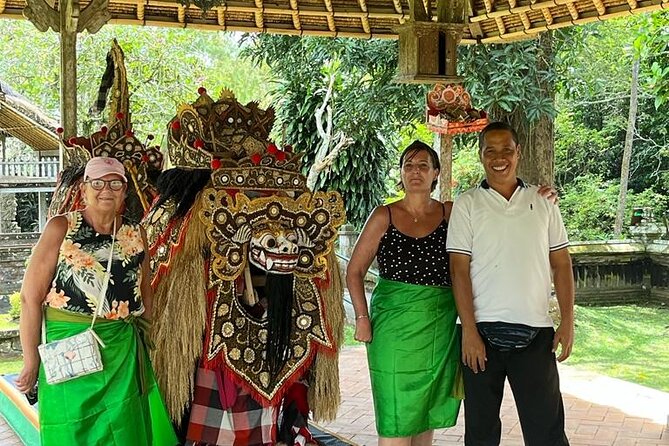
Stop one is Batuan, where you visit a traditional house compound in Batuan Village, Sukawati District (Gianyar Regency). The house is connected to the Gung Aji family, and it’s the kind of place foreigners often refer to as the Bali Traditional House Gung Aji.
What I like about starting here is that it sets the tone for the rest of the day. Temples in Bali make far more sense when you first see how a household is organized and how daily life connects to spiritual space. Even if you’re not fluent in local culture, you can walk away with a mental map: this isn’t just scenery, it’s a way of living.
Time is about an hour. That’s long enough to look around and ask questions, but short enough that you don’t feel trapped in a museum routine. If you want the most out of it, don’t rush your questions at the start—this stop is the one that helps everything else click.
Puseh Batuan Temple and Khayangan Tiga: Vishnu at the village level
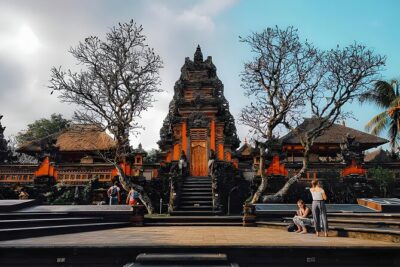
Next up is Puseh Batuan Temple, a local village temple tied to Khayangan Tiga (the three major temples in a village). In this case, it’s dedicated to Wisnu (Vishnu), positioned in a spiritual network that’s meant to protect and guide village life.
The best part of this stop is how it changes the way you look at the architecture. Instead of seeing a temple as a single landmark, you begin to see it as part of a system—one piece in a larger religious structure. The tour spends about 1 hour 30 minutes here, which gives you time to slow down and actually notice details.
A practical note: entrance is not included for this stop (IDR 30,000 per person). So if you’re doing the budget math, keep that in mind early, because it sets the pattern for the rest of the day.
Elephant Cave (Goa Gajah): 11th-century roots and a water-focused space
Elephant Cave, also known as Goa Gajah, is one of Bali’s best-known cultural stops, and for good reason. The cave was built in the 11th century by the king of Udayana, and the name connects to a nearby river called Lua Gajah.
The setup is intriguing: in front of the cave building area there’s a space for bathing, and the cave space includes figures inside. You don’t need to memorize dates to enjoy it, but having the historical framing helps. It’s easier to feel why this place kept its importance beyond just being old stone.
You’ll spend about 2 hours here. That’s enough time to look, regroup, and take photos without turning the stop into a speed run. Entrance is not included (IDR 50,000 per person), so plan for that add-on cost.
Gunung Kawi: King memorial shrines carved into stone
Then the day shifts to Gunung Kawi (Mount Kawi), built in the 11th century when Bali was under the rule of Anak Wungsu, the son of Udayana King. The complex includes 10 memorials made as rock-cut temple structures.
What I like here is the physical drama. Rock-cut shrines feel different from temples built on top of the ground. They force you to look in a different way, and you tend to notice scale—how the people who carved it managed space and attention.
The tour allows about 1 hour 30 minutes at this stop. That’s a good length: long enough to absorb what you’re seeing, but not so long you lose focus. Entrance is also not included (IDR 50,000 per person). Budget for it alongside the other sites, and you’ll feel less “surprised by the total” later.
You can also read our reviews of more historical tours in Seminyak



Tirta Empul Spring Water Temple: where cleansing rituals drive the pacing
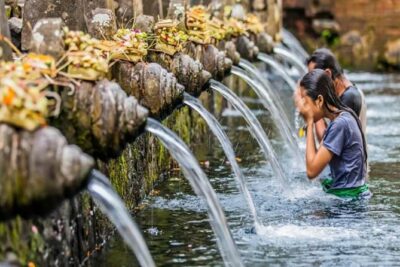
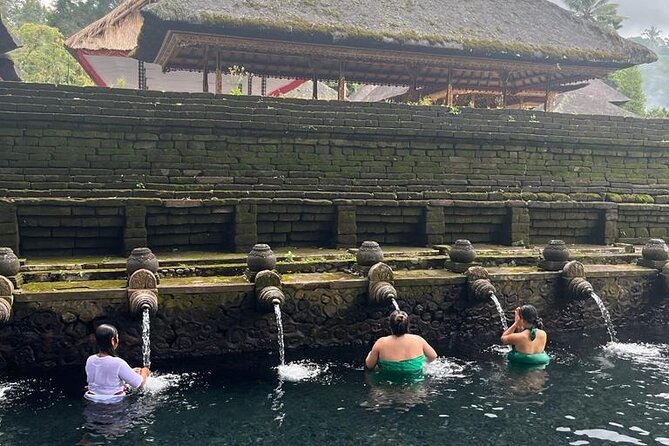
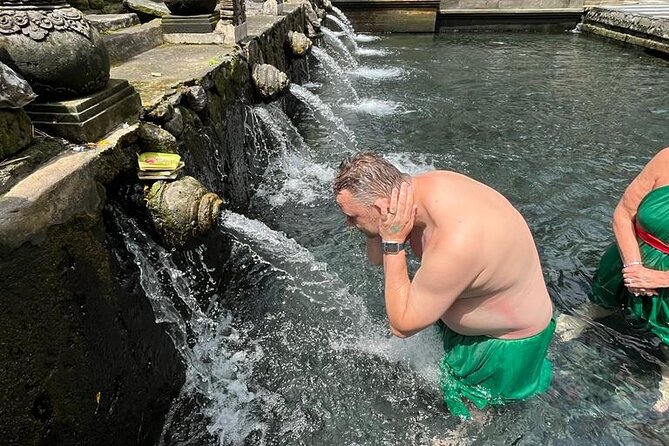
Tirta Empul (the Spring Water Temple) is where the tour becomes more than sightseeing. It’s located around spring sources and includes special bathing-pools. The inner courtyard features a clear slate area (part of the bathing space layout), so this stop has a practical “purpose,” not just visual appeal.
This is the emotional rhythm shift in the day. You go from rock and stone memorials to an active water setting shaped for ritual bathing. If you’re the kind of traveler who likes to understand why a place is designed the way it is, this one rewards you quickly.
The time here is about 2 hours, which gives you room to watch how people move through the bathing pools and to read the space without feeling rushed. Entrance is not included (IDR 50,000 per person). Since the stop is focused on water activity areas, do yourself a favor: go prepared for wet conditions and plan for it even if you’re not participating.
Gunung Kawi Sebatu Temple: another Vishnu-linked stop on the same theme

The last temple stop is Gunung Kawi Sebatu Temple. It’s not pinned to one exact construction date in the information provided, but historical records say it was built for worship of the gods—especially Lord Vishnu—based on orders mentioned in the record.
This stop works well after Tirta Empul and Mount Kawi because it keeps the day’s spiritual theme connected. You start noticing patterns: how Vishnu-linked worship shows up across different spaces, and how different sites handle the same underlying religious focus.
Time here is around 2 hours, so it doesn’t feel like a quick checkbox finish. Entrance isn’t included (IDR 30,000 per person). Adding Sebatu to the route is part of what makes this tour feel more like a guided route than a chain of separate landmarks.
Price and logistics: what $45.91 buys you, and what you add at the door
At $45.91 per person, the big value is that the tour handles the day’s hardest part: transport and an English-speaking guide for multiple sites, plus air-conditioned comfort, parking fees, and bottled water. You also get a mobile ticket, so you’re not chasing paper confirmations on your phone.
What’s not included is where you should do the quick math upfront. Entrance fees listed as not included are:
- Tirta Empul Temple: IDR 50,000 per person
- Gunung Kawi Sebatu Temple: IDR 30,000 per person
- Puseh Batuan Temple: IDR 30,000 per person
- Elephant Cave: IDR 50,000 per person
- Mount Kawi, Pakrisan River: IDR 50,000 per person
That totals about IDR 210,000 in temple entrance fees per person, based on the amounts provided. Meals are also not included, so plan for lunch (or a late snack) somewhere along the route.
Is that still good value? For me, yes—because you’re not just paying to enter places, you’re paying to make sense of them. The guided explanations are what turn a day of temples into a coherent story about village life, memorial shrines, and water-based ritual space. If you’re comfortable doing self-guided temple hopping, you could save on the guide cost. But if you want the meaning explained while you walk, this pricing structure often feels fair.
How the guides can make or break this kind of route
The strongest signal from the experience is how guides handle real-world timing. One guide, Kadek, is noted for being very patient and waiting when someone miscalculated arrival time by about an hour. Another guide named Nanda is tied to a sense of value and friendliness, with people recommending the tour after going through the full day.
That matters because this is a multi-stop route. When you’re moving through temples and village areas, small delays can snowball fast. A guide who stays calm and keeps the group coordinated helps you get the full experience without feeling like you missed the point.
Also, the guide is explicitly an English-speaking driver tour guide, and you’ll feel that at the stops where the context changes the whole experience—especially at Batuan and the Vishnu-linked sites.
Who should book this Ubud heritage day
This is a great match if you want:
- A structured day that links several Ubud-area sites into one theme
- An English-speaking guide who explains cultural and spiritual meaning
- Transfer convenience from Seminyak without arranging separate rides
- A paced mix of village home context plus major temple stops
It can also work for first-time visitors to Bali who don’t want to gamble on navigation or interpretation. The information says most travelers can participate, which suggests it’s not overly specialized.
If you’re only interested in photos and don’t care about context, you might find the schedule intense. But if you want your day to have direction, this tour fits.
Should you book this Ubud Cultural and Historical Guided Tour with Transfer?
Book it if you like guided meaning, hate logistics headaches, and want a full cultural day with an English-speaking guide. The mix of Batuan’s traditional home context, the Vishnu-linked temple network, Elephant Cave, Gunung Kawi memorial shrines, and Tirta Empul’s spring water ritual spaces creates a route that feels like it’s saying something, not just listing stops.
Skip it or reconsider if you’re tightly budgeted for extras. Entrance fees add up, meals aren’t included, and the day runs about 10 hours. Also, if you need lots of free time to wander without a schedule, a stop-and-go guided format may feel like too much.
If you can handle a full day and you’re curious about how Balinese spiritual life connects to village space, this tour is a strong choice.
FAQ
What time does the tour start?
The tour starts at 8:30am.
How long is the tour?
It runs for about 10 hours.
Where is the tour located?
The tour is in Ubud, Bali, with the location listed as Seminyak, Indonesia for pickup/area.
Is pickup offered?
Yes. Pickup is offered, and you travel by air-conditioned vehicle with an English-speaking driver tour guide.
What’s included in the price?
Included items are air-conditioned vehicle, parking fees, English speaking driver tour guide, and bottled water. It also notes mobile ticket and group discounts.
Which entrance fees are not included?
Entrance fees not included are for Tirta Empul Temple (IDR 50,000), Gunung Kawi Sebatu Temple (IDR 30,000), Puseh Batuan Temple (IDR 30,000), Elephant Cave (IDR 50,000), and Mount Kawi/Pakrisan River (IDR 50,000).
Is the tour private?
Yes, it’s listed as a private tour/activity with only your group participating.
Can I cancel for a full refund?
Yes. You can cancel up to 24 hours in advance for a full refund, and it says free cancellation is available under that condition.