REVIEW · KUTA
Surfing Group Lesson Level 1 Beach Surfer
Book on Viator →Operated by Rip Curl School Of Surf · Bookable on Viator
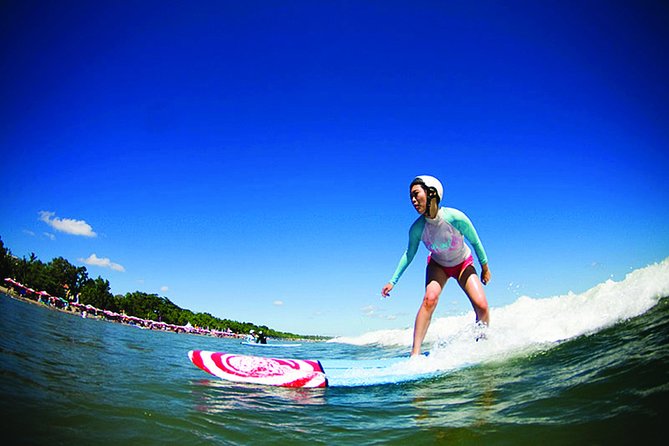
First wave confidence usually arrives faster than you expect. This Level 1 surf program runs five 2-hour lessons at Legian’s Double Six Beach, with small groups and full gear so you can focus on the technique, not logistics.
I love the tight coaching ratio (up to 5 students per instructor/assistant). I also love that they supply the essentials beyond a surfboard, including zinc and a full kit like a rash guard, helmet, towel, and sealed drinking water.
One consideration: lesson times are fixed during the day (multiple daily slots), and conditions depend on tides and wind, so not every session will feel identical. If you’re extra sensitive to early mornings or variable surf, plan your other beach plans loosely.
In This Review
- Key Details That Matter Before You Go
- Entering Double Six Beach: Why This Spot Works for Level 1
- Price and Value: Is $155 Fair for What You Get?
- Your 5-Day Rhythm: Daily Structure and What to Expect
- Coaching That Keeps You from Getting Stuck
- What you’ll likely work on from day to day
- The Rip Curl School Setup: Gear, Showers, and Real Comfort
- Timing and Transfers: How to Avoid the Stress Trap
- Ocean Safety and Etiquette: Learning the Rules of the Water
- Photos and the Study Book: How You Keep Progress
- Who This Course Fits Best
- Should You Book It? My Honest Take
- FAQ
- How many surf lessons are included?
- How long is each lesson?
- Is this course for beginners?
- Where are the lessons held?
- What are the daily lesson start times?
- Do I get hotel pickup and drop-off?
- What surf equipment is provided?
- Do I need to bring a swimsuit?
- Is food included?
- Is liability insurance included?
Key Details That Matter Before You Go
- Five 2-hour lessons in a row over 5 days, built for true beginners
- Small group coaching with a 5:1 student-to-instructor/assistant ratio
- All equipment included, from board and leg rope to helmet, rash guard, and zinc
- Door-to-door round-trip transfers from many key south Bali areas
- Solid practice plus ocean safety, with theory mixed in each day
- Study book + photo option so you can review your progress later
Entering Double Six Beach: Why This Spot Works for Level 1
Legian’s Double Six Beach is one of those places where surfing feels public and approachable. You’ll be learning in a surf-school setup at Rip Curl’s facility, not out on a “figure it out yourself” stretch of coast. That matters for a beginner because the first goal isn’t style. It’s timing, balance, and staying safe around other surfers.
This program is designed for “zero to hero” progress, but it’s honest about the process: theory comes first, then practice, then more practical work on the water. You won’t just be handed a board and told to try. You’ll be taught how waves work, how to position yourself, and how to respond when conditions change.
Also, Double Six is famous for surf energy. That’s part of the appeal, but it’s why you should show up with patience. Even for Level 1, wave size and wind can shift, and the school works with different tides and conditions depending on the discipline and level.
You can also read our reviews of more tours and experiences in Kuta

Price and Value: Is $155 Fair for What You Get?
At $155 for about five days (five lessons), the big value isn’t only the water time. It’s the bundle: coaching, transport, equipment, and safety support are all included.
Here’s what you’re getting as part of the deal:
- Five lessons of 2 hours each
- Hotel transfers in coverage areas (not just “meet us at the beach”)
- Equipment included, including a helmet and zinc
- Fresh-water shower facilities, towel, and soap/shampoo
- One Million USD liability insurance
- Sealed drinking water throughout the course
If you’ve tried to price surf lessons in other places, the cost often spikes the moment you add equipment rental and logistics. Here, they’ve already wrapped those pieces into the price. For many first-timers, that’s the difference between “I want to try” and “I’ll wait until I have more time.”
The one gap is that food isn’t included. You might still get snacks like fruit, and the course includes tea, coffee, and fruit in the program details, but you should budget for your own meals.
Your 5-Day Rhythm: Daily Structure and What to Expect

The course is built around daily 2-hour lessons with a mix of theory, practice, and practical work. Even if you’ve never stood on a board, the program keeps you moving: learn one idea, apply it quickly, then repeat the next day with small upgrades.
Lesson start times can be 8:00am, 10:00am, 1:00pm, or 3:00pm. That gives you some flexibility, but it also means you should treat the day like a true surf day, not a casual beach stroll. Early sessions often have better conditions, and the school does its best to schedule based on tide, wave size, and wind. That’s good news because they’re not gambling on a single, fixed plan.
Between sessions, you’ll have time to reset at the school facilities: changing rooms, personal lockers, and showers. You’ll also be able to cool down, drink water, and eat something you brought or grabbed nearby.
Because this is Level 1, the emphasis is on the basics:
- learning how to handle the board properly
- understanding ocean safety and surf etiquette
- practicing turning and control as your balance improves
- building confidence so you can ride more consistently
Coaching That Keeps You from Getting Stuck
The standout teaching element here is the 5:1 ratio. That’s the difference between learning the sport and learning how to wait your turn. With this setup, you can get hands-on corrections while you’re still on the learning curve.
You’ll also notice the way instructors work when conditions change. Surf schools that really teach don’t ignore the ocean. They adjust. The schedule may shift with tides and wind, and the teachers use those moments to help you learn the “why,” not just the “do this.”
From the kind of feedback the school gets, the instructors are often described as patient and professional, with a strong focus on safety and making learners feel welcome. You may even encounter instructors such as Budi or Gung, names that show up when learners talk about who helped them improve.
What you’ll likely work on from day to day
Even without a day-by-day public syllabus here, Level 1 typically builds in a logical arc. Day one is usually about getting comfortable and learning basic handling. By the middle sessions, you’re usually working on standing up more reliably and controlling direction. Near the end, you’re aiming for smoother turning and better decision-making with waves.
The school also uses a student study book, so your coaching isn’t only verbal on the beach. You’ll have something to reference afterward.





The Rip Curl School Setup: Gear, Showers, and Real Comfort
This is not a “bare-bones” surf lesson. The school facilities are built for repeat sessions over several days, which is exactly what you want on a 5-day course.
On-site, you’ll find:
- changing rooms and private bathrooms
- personal lockers
- fresh-water showers with soap and shampoo
- towel provided and room to rinse off salt
Then there’s the gear. You should expect the full kit experience:
- surf board
- leg rope
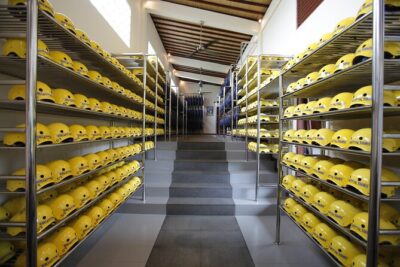
- surf helmet
- rash guard and leggings
- zinc (imported)
- towel and sealed drinking water
The program overview also says they provide board shorts and sunscreen and zinc support. The key point for you: you’re not likely to arrive needing to rent a bunch of items. The only real clothing expectation is that you bring your own swimsuit (bikini or board shorts). Everything else is handled.
This matters more than it sounds. When your gear is standardized, instructors can correct technique without guessing what you’re wearing or how your setup affects your balance.
Timing and Transfers: How to Avoid the Stress Trap
Your day starts with pickup and transfer back to your hotel. Transfers cover many south Bali areas such as Legian, Seminyak, Oberoi, Canggu, Kuta, Jimbaran, Uluwatu, Nusa Dua, and Sanur, with the meeting point tied to the Rip Curl School of Surf area (Hotel Prama Sanur Beach vicinity).
That door-to-door element is a huge quality-of-life upgrade. Kuta and the south coast can be traffic-heavy depending on time of day, and your learning schedule already has time pressure because lesson slots are limited. If you’re doing this as a vacation activity, not a full logistics project, this transport design is a win.
One thing to remember: the schedule is confirmed one day in advance, even though you’ll get booking confirmation at the time you reserve. So you should stay reachable the day before your first lesson.
And yes, lesson times can start early. If your plan is late breakfasts and slow mornings, you might feel that shift. But early surf conditions often mean better learning time, and the school is trying to put you in the best window.
Ocean Safety and Etiquette: Learning the Rules of the Water
Beginner surf courses succeed when they teach you how to survive and how to behave, not just how to stand up. This program explicitly includes ocean safety as part of the syllabus, and you’ll see that blend of theory and practical instruction across the 5 days.
The “real” reason this matters: surfing is fun, but you share space with other learners and locals. Knowing where to wait, when to paddle, and how to handle surf-zone rules keeps you from turning your first week into a stressful mess.
If you’re nervous about getting hit, getting confused, or doing something unsafe, this is the sort of class that helps you feel grounded. The coaching ratio supports that too, because a quiet beginner can get overlooked in larger groups.
Photos and the Study Book: How You Keep Progress
Surprise: the course includes student photography. Rip Curl School of Surf photographers take photos during lessons, and those photos are sold to guests after completion. If you’re the type who wants proof you actually did it, that’s a nice add-on.
The bigger learning tool is the student study book. You’ll get materials during the course, and the soft copies can be downloaded on the website. That gives you a way to review basics between sessions or after your trip, especially if you’re trying to remember instructor cues once you’re back on land.
Who This Course Fits Best
This is built for beginners and early learners. If you’ve never surfed, you’ll get structured fundamentals: basics, safety, and skill progression through repeated sessions.
It’s also a good choice if you want:
- small-group attention
- equipment handled for you
- door-to-door transfers
- a course that lasts long enough to feel real progress
You should have a moderate physical fitness level, mainly because paddling and getting up repeatedly takes effort. If you’re injured or unsure, it’s worth checking before you book.
If your travel style is very spontaneous and you hate early starts, you might feel constrained by the fixed daily time slots. But if you’re okay planning around surfing, you’ll love the rhythm.
Should You Book It? My Honest Take
I’d book this if you’re a true beginner who wants maximum guidance and minimum hassle. The equipment bundle, the small coaching ratio, the showers/locker setup, and the included transfers make the whole thing feel organized and safe—exactly what you want on day one.
I’d think twice if you’re someone who expects total control over your schedule or you dislike learning in changing ocean conditions. Wave size and wind can affect what you’ll do each session, and you’ll be asked to follow the lesson slots.
If you want a practical “learn to surf” week in Bali without turning it into a logistics puzzle, this is a solid choice.
FAQ
How many surf lessons are included?
You get five surf lessons.
How long is each lesson?
Each lesson is about 2 hours.
Is this course for beginners?
Yes. It’s a Level 1 beach surfer lesson designed for first-timers and beginner surfers.
Where are the lessons held?
The lessons are on Legian’s Double Six Beach at the Rip Curl School of Surf.
What are the daily lesson start times?
Lessons are scheduled daily at 8:00am, 10:00am, 1:00pm, and 3:00pm.
Do I get hotel pickup and drop-off?
Yes, pickup and transfer back are included from many south Bali areas such as Legian, Seminyak, Oberoi, Canggu, Kuta, Jimbaran, Uluwatu, Nusa Dua, and Sanur.
What surf equipment is provided?
They provide the surf board, leg rope, and a surf helmet, plus a rash guard and leggings. The program also includes zinc and a towel, and you’ll have sealed drinking water.
Do I need to bring a swimsuit?
Yes. Your swimsuit is not included.
Is food included?
Food is not included, though the course details note that tea, coffee, and fruit are provided.
Is liability insurance included?
Yes. The program includes One Million USD liability insurance.